

What is Cement Dry Powder Material Handling? And What Are Its Design Principles?
Cement dry powder material handling is a vital process in the construction and industrial sectors, focusing on the efficient transportation of cement and other dry powders from storage facilities to processing or application points. This process is crucial for maintaining material integrity, minimizing waste, and enhancing overall operational efficiency in cement production and related industries.
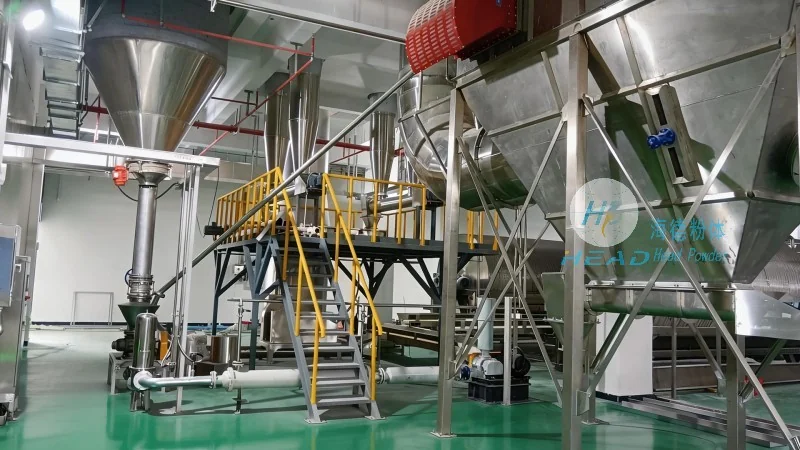
Understanding Cement Dry Powder Material Handling
Cement dry powder material handling systems are engineered to handle the unique properties of cement, such as its fine particle size, hygroscopic nature, and tendency to form clumps. These systems typically involve the use of specialized equipment like pneumatic conveyors, screw conveyors, and rotary valves to move dry powders through pipelines or other conduits. The primary goal is to ensure that the material remains dry, free-flowing, and uncontaminated throughout the handling process.
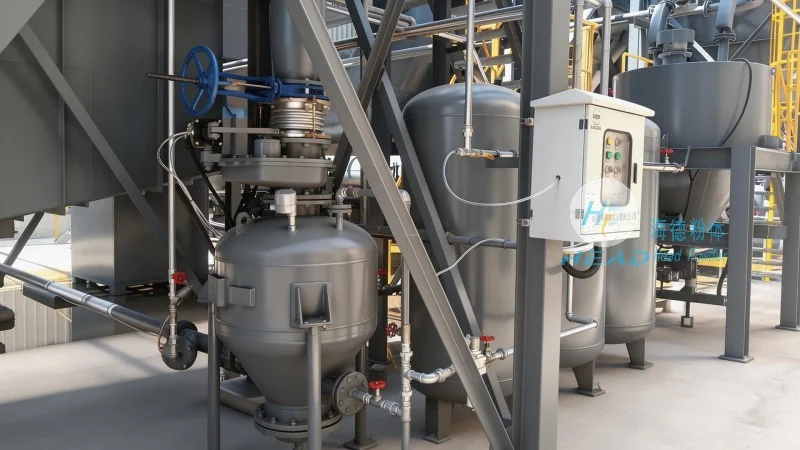
Core Design Principles of the System
The design of cement dry powder handling systems is guided by several key principles to ensure optimal performance. First, the system must maintain a high level of airtightness to prevent dust leakage and moisture ingress, which could degrade the quality of the cement. Second, it requires precise control over air pressure and flow rates to regulate the speed and direction of material transport. Third, the design must account for the potential for material buildup or blockages, incorporating features like vibration or air agitation to keep the system operational. Additionally, energy efficiency is a critical consideration, with designs aimed at minimizing power consumption while maximizing throughput.
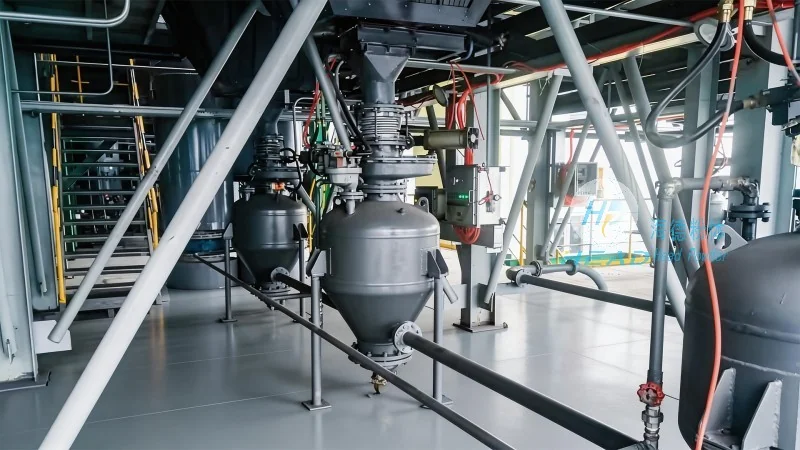
Key Components and Their Functions
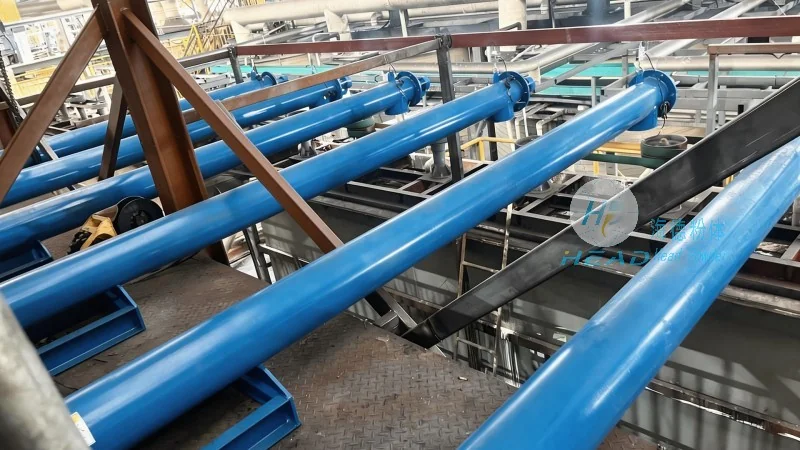
Several key components make up a typical cement dry powder handling system. The feeders are responsible for controlling the initial flow of material from storage silos or hoppers, ensuring a consistent and controlled discharge rate. The conveying pipes form the main transport network, often made of materials like stainless steel or plastic to resist corrosion and wear from the dry powder. Separators are used to separate the material from the air stream, typically by using cyclonic or baghouse filtration to recover the cement and return it to the system. Control valves regulate the pressure and flow within the system, allowing operators to adjust the speed of material transport as needed. Finally, air compressors provide the necessary pressure to drive the material through the system, with energy recovery systems sometimes employed to improve efficiency.
Application Scenarios and Benefits
Cement dry powder handling systems are widely used in various industrial settings, including cement plants, concrete mixing stations, and construction sites. In cement plants, these systems facilitate the movement of raw materials and finished cement products between storage, processing, and packaging areas. At concrete mixing stations, they ensure a steady supply of cement to the mixing equipment, maintaining consistent concrete quality. The benefits of such systems include increased production throughput, reduced labor costs due to automated handling, lower energy consumption compared to manual methods, and improved product quality by preventing contamination or moisture exposure. Additionally, the systems help in maintaining a clean and safe working environment by containing dust and preventing it from escaping into the air.
Shandong HeadPowder Engineering Co., Ltd., located in Shandong, China, specializes in the design, manufacturing, and installation of advanced cement dry powder handling systems. With a focus on innovation and customer satisfaction, the company provides tailored solutions to meet the specific needs of its clients in the construction and industrial sectors.