

What is Glass Bubble Material Handling? And What Are Its Design Principles?
Glass bubble material handling refers to the process of transporting and managing materials that incorporate glass bubbles, a lightweight, insulating additive commonly used in construction and industrial applications. These microspheres, also known as glass microspheres, are spherical particles with a glassy shell, typically ranging from 10 to 100 micrometers in diameter. Their inclusion in materials like lightweight concrete, insulating mortars, and other composite products significantly enhances thermal insulation, reduces weight, and improves workability. The effective handling of these materials is crucial for optimizing production efficiency and ensuring consistent quality in manufacturing processes.
The Design Principles Behind Glass Bubble Material Handling Systems
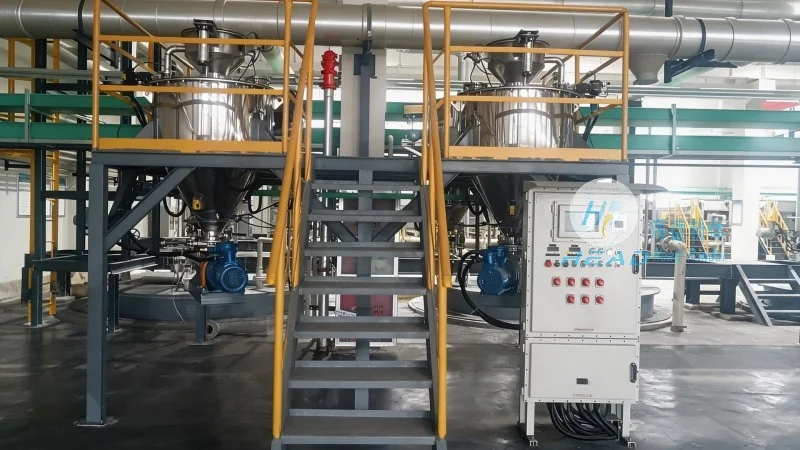
The design of glass bubble material handling systems is centered on several key principles to ensure efficient and reliable operation. First, the system must address the unique physical properties of glass bubbles, such as their low density and tendency to float or settle in bulk materials. To mitigate this, many systems incorporate specialized equipment like air classifiers, vibrating conveyors, and high-velocity mixers. These tools help maintain the uniform distribution of glass bubbles throughout the material, preventing agglomeration or segregation that could compromise product performance. Second, the design prioritizes material flow control and containment. For example, enclosed conveyor systems and dust collection mechanisms are often integrated to prevent the loss of fine glass bubbles and to ensure a clean working environment. Third, the system must align with the specific processing requirements of the end product. This includes considerations like temperature control, moisture management, and the ability to handle varying material viscosities. By balancing these factors, engineers can develop systems that not only move glass bubble materials efficiently but also preserve their beneficial properties.
Key Components of Glass Bubble Material Handling Equipment
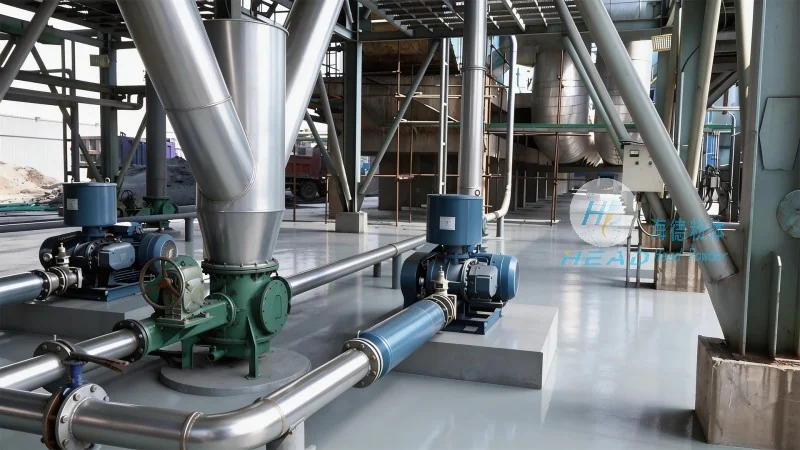
Effective glass bubble material handling relies on a combination of specialized equipment designed to handle the unique characteristics of these microspheres. One of the most critical components is the feeding system, which ensures a consistent and controlled flow of glass bubbles into the processing line. This may involve screw feeders, rotary valves, or pneumatic conveyors, each chosen based on the material's bulk density and flowability. The conveying equipment, such as belt conveyors or pneumatic pipelines, is another essential element. For materials with high air content or low bulk density, pneumatic systems are often preferred as they can handle light, powdery materials without the need for mechanical pressure. Additionally, mixing and blending equipment, like high-shear mixers or planetary mixers, are used to uniformly disperse glass bubbles within the matrix of the host material. These mixers are designed to prevent the glass bubbles from settling or clustering, which is vital for maintaining the desired insulation and lightweight properties. Finally, the discharge and storage systems must be capable of handling the processed material without causing further segregation or loss of glass bubbles. This may include silos, storage bins, or automated loading systems that ensure the material is ready for the next stage of production.
Applications and Benefits of Glass Bubble Material Handling
Glass bubble material handling is integral to the production of a wide range of products that leverage the advantages of these microspheres. In the construction industry, for instance, glass bubbles are commonly used in lightweight concrete, insulating mortars, and thermal insulation boards. The efficient handling of these materials ensures that the final products meet strict performance standards for thermal conductivity, compressive strength, and durability. Similarly, in the automotive and aerospace sectors, glass bubbles are incorporated into composite materials to reduce weight and improve fuel efficiency. The ability to handle these materials at scale is crucial for meeting the demands of these industries. The benefits of proper glass bubble material handling extend beyond product quality. By optimizing the flow and distribution of glass bubbles, manufacturers can reduce waste, lower energy consumption, and increase overall production throughput. This not only improves profitability but also enhances sustainability by minimizing the environmental impact of material processing.
Case Study: Shandong HeadPowder Engineering Co., Ltd. and Glass Bubble Material Handling
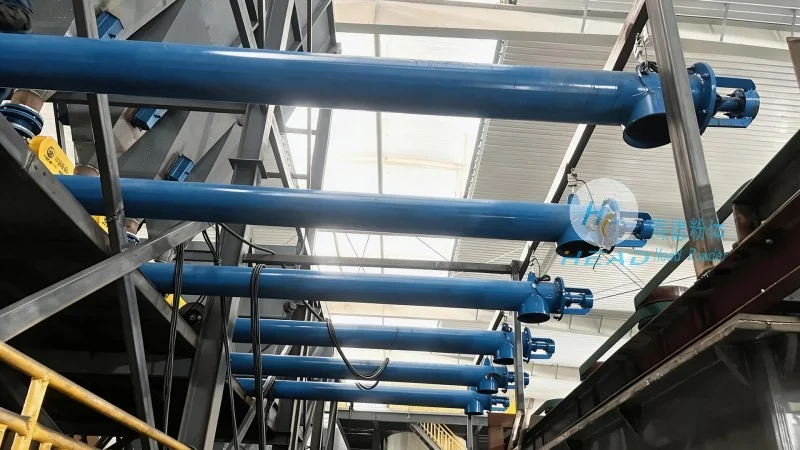
Shandong HeadPowder Engineering Co., Ltd., a leading provider of material handling solutions, specializes in designing and implementing systems tailored to the unique needs of glass bubble materials. With operations based in Shandong, China, the company has extensive experience in the construction and industrial sectors, where glass bubbles are widely used. The company's approach to glass bubble material handling focuses on customizing equipment to address the specific challenges of each client's application. For example, a project involving the production of lightweight concrete for a large construction firm required a system that could handle high volumes of glass bubbles while maintaining uniform distribution. HeadPowder engineers designed a combination of pneumatic conveyors and high-shear mixers to achieve this, resulting in a product with consistent thermal insulation properties. Another project for an automotive parts manufacturer involved the handling of glass bubbles in a composite material for interior panels. The company's system ensured that the glass bubbles were evenly dispersed, leading to improved lightweighting and reduced manufacturing costs. Through these and other projects, Shandong HeadPowder Engineering Co., Ltd. has demonstrated its expertise in optimizing glass bubble material handling, helping clients achieve higher quality products and operational efficiency.