

What Are Automatic Quantitative Material Feeding and Conveying Equipment? Understanding Their Design
Automatic quantitative material feeding and conveying equipment represent a critical component in modern industrial processes, particularly in sectors that require precise material handling and measurement. These systems are engineered to deliver materials with high accuracy and efficiency, ensuring consistent quality in production lines. The design of such equipment is centered around several key principles that address the unique challenges of material handling, from bulk solids to granular substances.
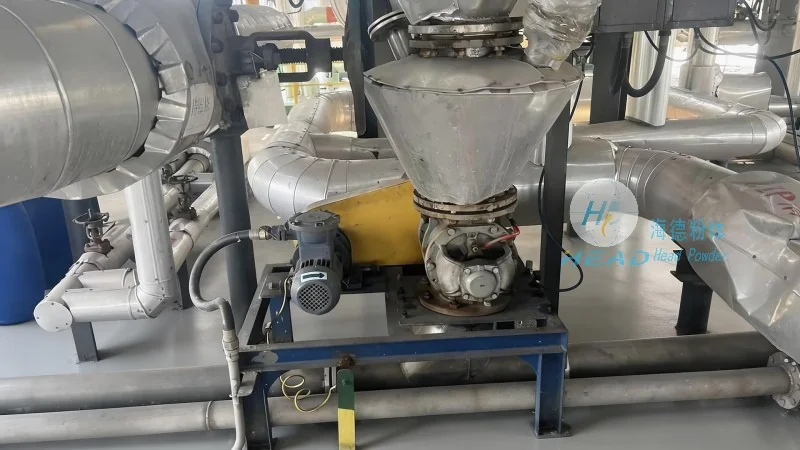
Introduction to Automatic Quantitative Material Feeding and Conveying Equipment
At the core of many manufacturing and processing operations lies the need for reliable and accurate material handling. Automatic quantitative feeding systems are designed to meet this demand by providing precise control over the quantity of materials being transported or processed. These devices are integral to industries ranging from pharmaceuticals and food processing to chemical manufacturing and bulk material handling. The ability to maintain consistent material flow and dosage is crucial for optimizing production efficiency and product quality.
Key Components and Design Principles
The design of automatic quantitative material feeding and conveying equipment is built upon a combination of mechanical, electrical, and control systems. A typical system includes a hopper or storage container to hold the material, a feeding mechanism such as a screw, belt, or vibratory feeder to control the flow rate, and a conveying system to transport the material to the processing unit. The integration of sensors and control algorithms is essential for achieving precise dosage and maintaining operational stability.
One of the fundamental design principles is the balance between accuracy and throughput. Engineers must optimize the feeding mechanism to deliver the required material quantity while ensuring that the system can handle the desired production rate without compromising precision. This often involves selecting appropriate feeder types based on the material properties—such as bulk density, flowability, and particle size—and adjusting parameters like speed, torque, and pressure to achieve the desired performance.
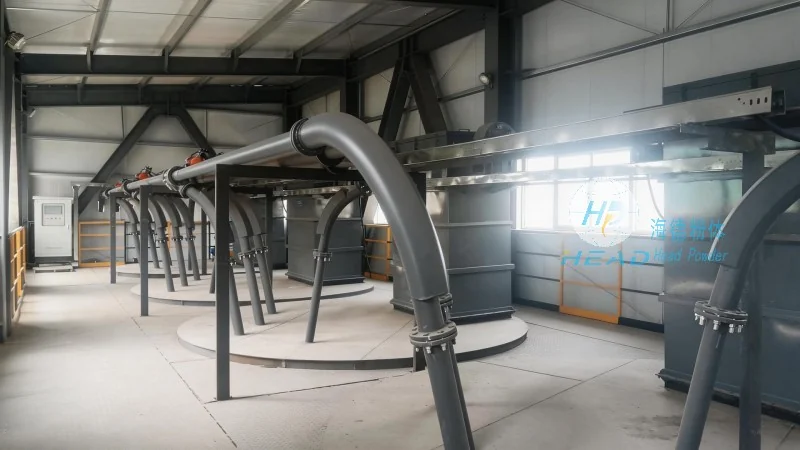
How the Equipment Works: A Technical Overview
The operation of automatic quantitative material feeding and conveying equipment typically involves several sequential steps. First, the material is stored in a hopper or silo, where it is kept under controlled conditions to prevent degradation or caking. A feeder, such as a rotary valve or screw feeder, then regulates the material flow from the hopper into the conveying system. The conveying mechanism, which may include a belt conveyor, pneumatic system, or screw conveyor, transports the material to the processing equipment or storage area.
Advanced systems incorporate sensors, such as load cells or level detectors, to monitor the material level and flow rate in real-time. These sensors feed data to a control unit, which adjusts the feeder speed or other parameters to maintain the desired output. This closed-loop control system ensures that the material is delivered at a consistent rate, minimizing variations in dosage and improving overall process stability.
Applications and Benefits in Industrial Settings
Automatic quantitative material feeding and conveying equipment finds widespread application across various industries due to its ability to enhance operational efficiency and product consistency. In the pharmaceutical industry, for example, these systems are used to accurately measure and dispense raw materials for drug formulation, ensuring compliance with regulatory standards. In food processing, they help maintain consistent ingredient ratios in products like baked goods or beverages, improving taste and quality.
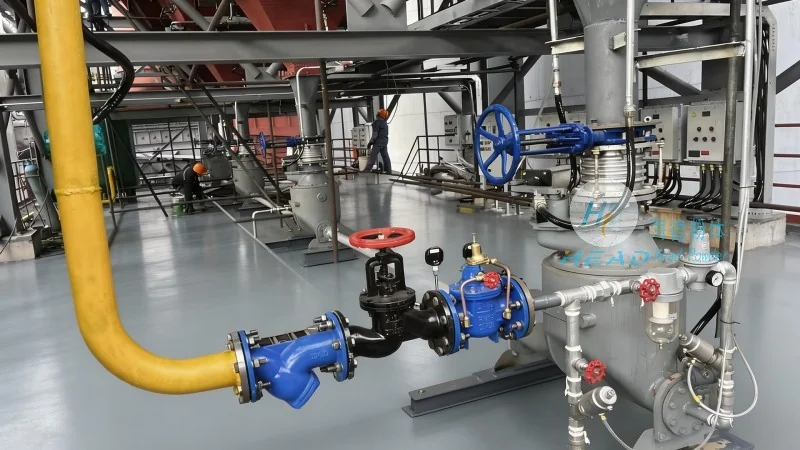
In chemical manufacturing, the equipment is critical for controlling the dosage of reactants in batch processes, preventing over- or under-dosing that could lead to product defects or safety hazards. The benefits of using such equipment extend beyond precision; they also include reduced labor costs, minimized material waste, and improved safety by eliminating manual handling of potentially hazardous materials.
Customization and Integration with Existing Systems
Given the diverse nature of industrial applications, automatic quantitative material feeding and conveying equipment is often customizable to meet specific operational requirements. Manufacturers like Shandong HeadPowder Engineering Co., Ltd. offer tailored solutions that can integrate seamlessly with existing production lines or process control systems. This customization may involve adjusting the capacity of the hopper, modifying the feeder type to suit different material characteristics, or incorporating additional features such as dust suppression or material cleaning mechanisms.
The integration of these systems with enterprise resource planning (ERP) or manufacturing execution systems (MES) further enhances operational efficiency by providing real-time data on material usage, inventory levels, and production performance. This data-driven approach allows manufacturers to optimize their processes, reduce downtime, and improve overall productivity.
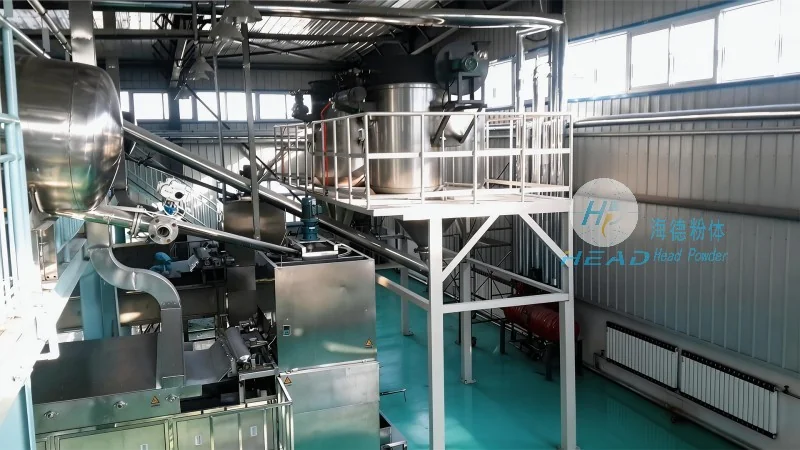
Maintenance and Operational Considerations
Proper maintenance is essential to ensure the long-term reliability and performance of automatic quantitative material feeding and conveying equipment. Regular inspections of the feeder components, such as screws or belts, are necessary to detect wear and tear that could affect accuracy. Cleaning the system, especially for hygienic applications like food processing, is also critical to prevent contamination and maintain product quality.
Training operators on the proper operation and troubleshooting of the equipment is another key aspect of maintaining optimal performance. Manufacturers like Shandong HeadPowder Engineering Co., Ltd. often provide technical support and maintenance services to help clients maximize the lifespan and efficiency of their equipment. By adhering to recommended maintenance schedules and operational guidelines, users can ensure consistent performance and minimize downtime.
Conclusion: The Role of Automatic Quantitative Material Feeding and Conveying Equipment in Modern Manufacturing
Automatic quantitative material feeding and conveying equipment plays a vital role in modern industrial operations by providing precise control over material handling and processing. The design principles behind these systems, which prioritize accuracy, efficiency, and adaptability, have enabled their widespread adoption across various sectors. As industries continue to demand higher levels of precision and productivity, the importance of these equipment systems will only grow. With advancements in technology, such as the integration of IoT and smart sensors, these systems are becoming even more sophisticated, offering further improvements in performance and operational efficiency.