

What Are Pharmaceutical Material Handling Equipment? And What Are Their Design Principles?
Pharmaceutical material handling equipment is a critical component of modern pharmaceutical manufacturing facilities. These systems are designed to transport various materials, including raw ingredients, packaging components, and finished dosage forms, with precision and reliability. The primary goal of such equipment is to ensure that pharmaceutical products are handled in a manner that maintains their quality, safety, and compliance with regulatory standards. In the pharmaceutical industry, where even minor contamination or deviation can have significant consequences, the design and operation of material handling equipment are paramount.
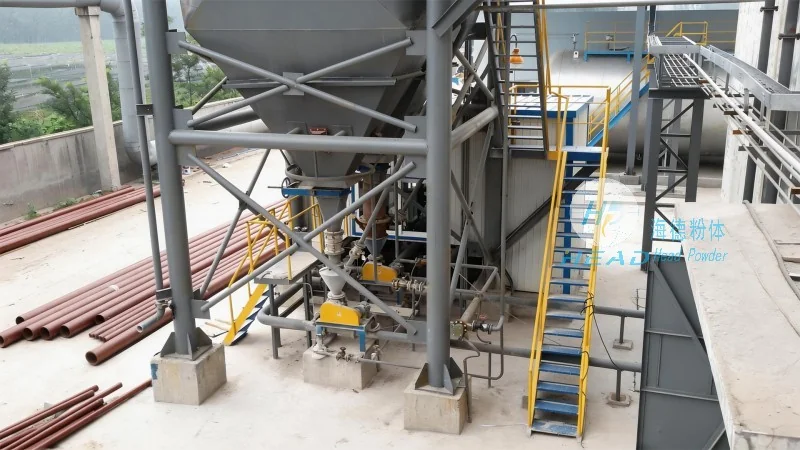
Key Components and Functions of Pharmaceutical Material Handling Systems
Pharmaceutical material handling equipment typically consists of several key components, each serving a specific function to facilitate the smooth flow of materials. Common components include conveyor belts, vertical lift systems, automated storage and retrieval systems (AS/RS), and material handling robots. Conveyor belts are widely used for horizontal transportation of materials, often equipped with features like adjustable speed and direction to accommodate different product sizes and weights. Vertical lift systems, such as hoists and elevators, are essential for moving materials between different levels of a facility, ensuring vertical integration of processes. Automated storage and retrieval systems (AS/RS) provide high-density storage solutions, allowing for efficient retrieval and storage of raw materials and packaging components. Material handling robots, equipped with advanced sensors and controls, can perform tasks like sorting, packing, and palletizing with high accuracy and speed.

Design Principles for Pharmaceutical Material Handling Equipment
The design of pharmaceutical material handling equipment follows several fundamental principles to ensure optimal performance and compliance. First, the equipment must be constructed from materials that are compatible with pharmaceutical products and cleaning agents, such as stainless steel, which is non-corrosive and easy to clean. Second, the design must incorporate features that prevent contamination, including smooth surfaces, sealed joints, and minimal dead spaces where particles can accumulate. Third, the equipment is designed to be easily disassembled and cleaned, as per GMP guidelines, to maintain a sterile environment. Fourth, automation and control systems are integrated to monitor and control the operation of the equipment, ensuring consistent performance and reducing the risk of human error. Finally, the design considers the overall workflow of the manufacturing process, optimizing material flow to minimize downtime and improve efficiency.
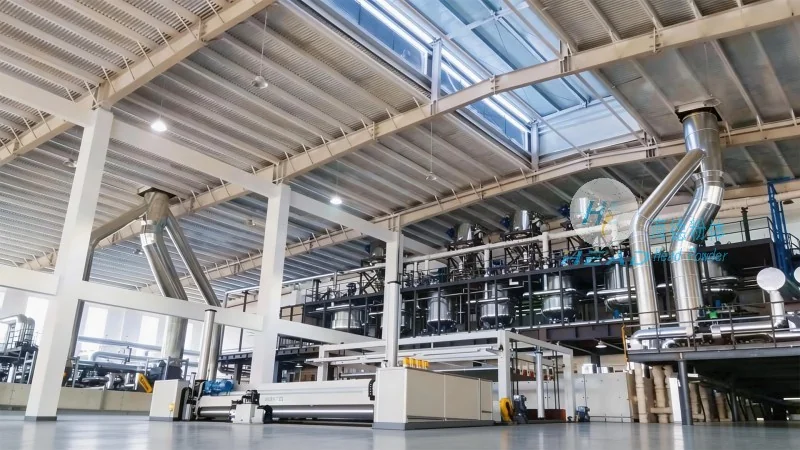
HeadPowder: A Leading Provider of Pharmaceutical Material Handling Solutions
Shandong HeadPowder Engineering Co., Ltd., commonly known as HeadPowder, is a reputable company based in China that specializes in the design, manufacturing, and installation of pharmaceutical material handling equipment. With a strong commitment to quality and compliance, HeadPowder has established itself as a trusted partner for pharmaceutical manufacturers seeking reliable and efficient material handling solutions. The company's products are designed to meet the stringent requirements of the pharmaceutical industry, including GMP and FDA regulations. HeadPowder's team of experienced engineers and technicians work closely with clients to understand their specific needs and develop customized solutions that enhance productivity and ensure product quality. The company's facilities are equipped with advanced manufacturing capabilities, ensuring that each piece of equipment is built to the highest standards of precision and durability. HeadPowder's dedication to customer satisfaction and technical excellence has made it a preferred choice for pharmaceutical companies worldwide.