

What is a Polycarbonate Material Conveying Line? What Are Its Design Principles?
Polycarbonate material conveying lines are specialized industrial systems engineered to transport polycarbonate materials efficiently and safely. These systems are crucial in manufacturing and processing environments where polycarbonate, a durable and lightweight thermoplastic, is handled. The design of such lines integrates various components to ensure smooth material flow, minimize downtime, and maintain product integrity throughout the conveying process.
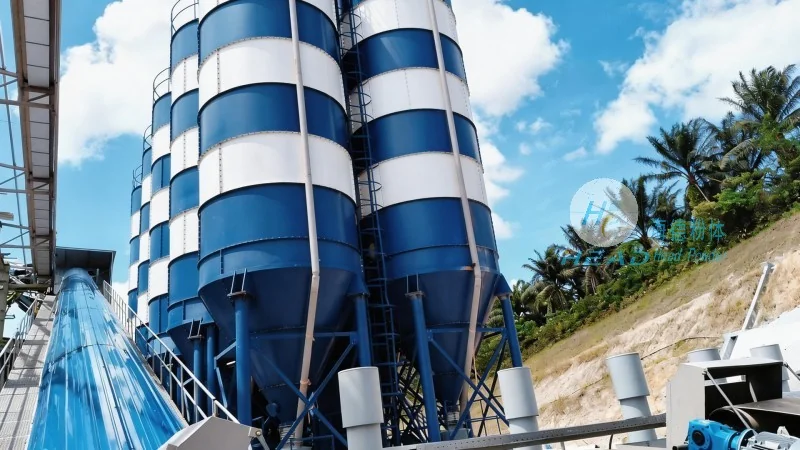
Key Components of Polycarbonate Conveying Systems
At the core of a polycarbonate material conveying line are several key components that work in tandem to achieve optimal performance. These include conveyor belts or rollers, feeding mechanisms, guiding structures, and control systems. Each component is selected based on the specific properties of polycarbonate, such as its resistance to impact and abrasion, and the operational requirements of the facility. For instance, the conveyor system may use smooth or textured belts to prevent material slippage and ensure consistent movement. Additionally, feeding mechanisms, like hoppers or feeders, are designed to handle polycarbonate pellets or granules without causing degradation or contamination.

Design Principles for Efficient Material Handling
The design principles of polycarbonate material conveying lines prioritize efficiency, durability, and safety. Engineers consider factors like the material's density, flow characteristics, and potential for static electricity when designing the system. To prevent material buildup or blockages, the conveying line may incorporate features like incline adjustments, vibration systems, or cleaning mechanisms. Moreover, the design ensures that the polycarbonate material remains free from scratches, dents, or other damage that could affect its final application. This is achieved through the use of smooth surfaces, appropriate speed controls, and protective enclosures that shield the material from external contaminants.
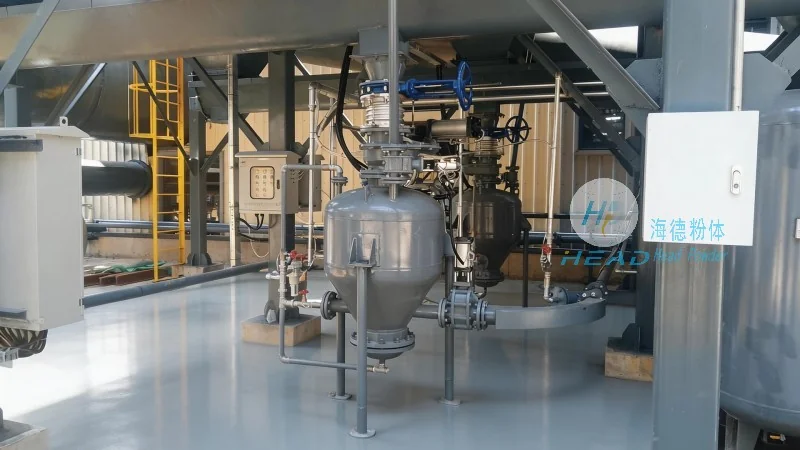
Applications and Industries Served
Polycarbonate material conveying lines are widely used in various industries that rely on polycarbonate for their products. These include automotive manufacturing, where polycarbonate is used in interior components and lighting fixtures; electronics, for housing and casing; and consumer goods, such as eyewear and protective equipment. The versatility of polycarbonate makes these conveying systems essential in production lines that require consistent and reliable material transport. Whether handling raw polycarbonate pellets or finished products, the conveying line ensures that the material is moved efficiently from one stage of production to the next.
Customization and Integration with Production Processes
Many polycarbonate material conveying lines are customizable to fit the specific needs of a manufacturing facility. This includes adjustments to conveyor speed, length, and capacity, as well as integration with other production equipment, such as mixing machines or molding presses. The ability to tailor the system to the production process enhances overall efficiency and reduces operational costs. For example, a facility producing polycarbonate lenses might use a conveying line that integrates with a polishing machine, ensuring that the lenses are transported smoothly from the molding stage to the finishing stage without any delays or damage.

Maintenance and Operational Considerations
Proper maintenance is critical to the longevity and performance of polycarbonate material conveying lines. Regular inspections and cleaning are necessary to prevent the buildup of polycarbonate residue, which can affect the system's efficiency. Additionally, the use of appropriate lubricants and wear-resistant parts helps to extend the life of the components. Operational considerations also include monitoring the temperature and humidity of the conveying environment, as these factors can impact the material's properties and the system's performance. By adhering to proper maintenance practices and operational guidelines, manufacturers can ensure that their polycarbonate material conveying lines operate at peak efficiency and provide consistent results.