

What is an Aluminum Dross Material Handling System? What are the Design Principles?
Aluminum dross, a byproduct of aluminum smelting and processing, poses unique challenges in material handling due to its abrasive nature, high temperature, and variable composition. The aluminum dross material handling system is engineered to efficiently transport this challenging material from production sites to processing or disposal facilities. This article explores the components and design principles of such systems, highlighting how they address the specific demands of aluminum dross management.
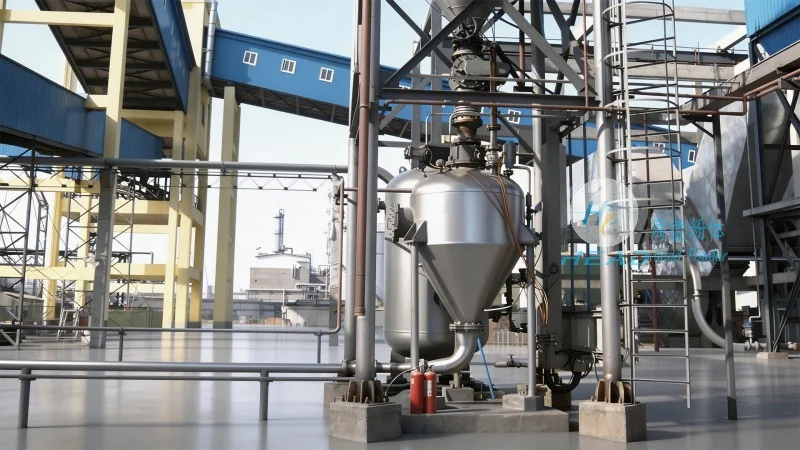
Understanding Aluminum Dross and Its Handling Challenges
Aluminum dross is a solid waste generated during the melting and casting of aluminum alloys. It consists of a mixture of metallic aluminum, oxides, and other impurities, often with a high temperature and abrasive properties. The characteristics of aluminum dross make conventional material handling equipment unsuitable, as they may suffer from wear and tear, overheating, or material blockage. Therefore, specialized systems are required to ensure safe and efficient transport. The aluminum dross material handling system is designed to overcome these challenges by incorporating materials and components that can withstand the harsh conditions associated with aluminum dross.
Key Components of an Aluminum Dross Material Handling System
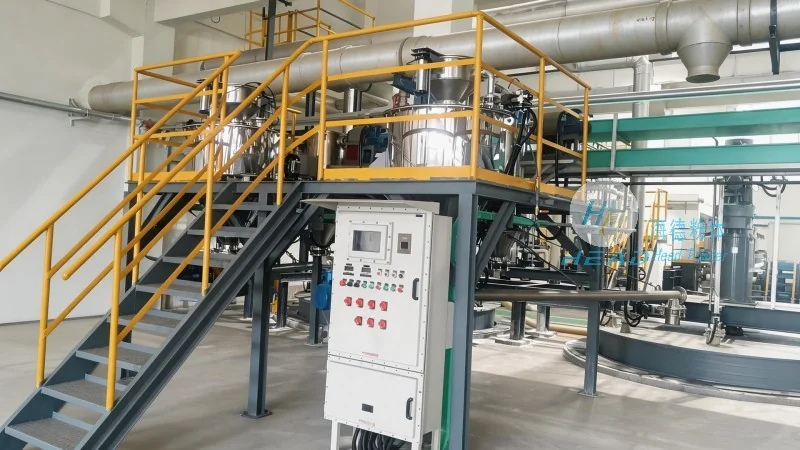
The aluminum dross material handling system typically consists of several key components, each playing a critical role in the overall operation. The primary components include a feeding mechanism, a conveying system, and a control system. The feeding mechanism is responsible for collecting and feeding aluminum dross into the system. This may involve hoppers or chutes that are designed to handle the high temperature and abrasive nature of the material. The conveying system, which can be either a pneumatic or mechanical system, transports the aluminum dross from the feeding point to the discharge point. Pneumatic systems use air pressure to move the material, while mechanical systems employ belts, screws, or buckets. The control system monitors and regulates the operation of the system, ensuring safe and efficient transport. This system may include sensors to detect material levels, temperature, and pressure, as well as control valves and motors to adjust the flow rate and speed of the conveying process.
Design Principles for Aluminum Dross Material Handling Systems
The design of an aluminum dross material handling system follows several key principles to ensure optimal performance and longevity. The first principle is the use of corrosion-resistant and wear-resistant materials. Aluminum dross is highly abrasive and can cause significant wear on equipment. Therefore, components such as hoppers, chutes, and conveying mechanisms are made from materials like stainless steel, high-chrome white iron, or other alloys that can withstand the abrasive nature of the material. The second principle is the incorporation of temperature control measures. Aluminum dross is often at high temperatures, which can damage conventional equipment. The system may include cooling mechanisms, such as water-cooled liners or heat exchangers, to reduce the temperature of the material before it is conveyed. The third principle is the consideration of material flow and pressure. The design must ensure that the material flows smoothly through the system without blockages or pressure buildup. This may involve the use of inclined chutes, airlocks, or other devices to maintain a consistent flow rate. The fourth principle is the integration of safety features. Aluminum dross handling involves high temperatures and potentially hazardous conditions. The system must include safety features such as temperature sensors, pressure relief valves, and emergency stop buttons to prevent accidents and ensure the safety of operators.
Applications and Benefits of Aluminum Dross Material Handling Systems
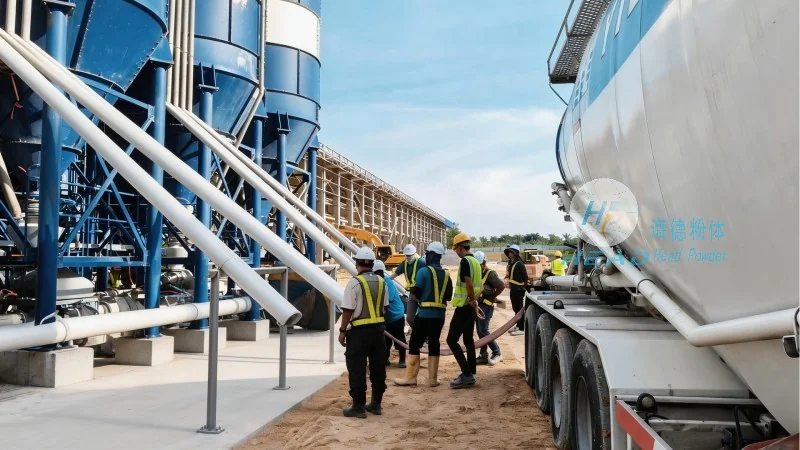
Aluminum dross material handling systems are widely used in the aluminum industry for the efficient transport of aluminum dross from production sites to processing facilities or disposal sites. The benefits of such systems include increased efficiency, reduced labor costs, and improved safety. By using specialized equipment, the aluminum industry can minimize the risk of accidents and extend the lifespan of its equipment. The systems also help to reduce the environmental impact of aluminum dross by ensuring that it is transported and processed in an environmentally responsible manner. In addition, the use of aluminum dross material handling systems can help to improve the quality of the final aluminum product by reducing the amount of impurities in the material.
Conclusion
In conclusion, the aluminum dross material handling system is a critical component of the aluminum industry, designed to efficiently and safely transport aluminum dross from production sites to processing or disposal facilities. The system incorporates specialized components and follows key design principles to address the unique challenges associated with aluminum dross. By using corrosion-resistant and wear-resistant materials, temperature control measures, and safety features, the system ensures optimal performance and longevity. The aluminum dross material handling system is an essential tool for the aluminum industry, helping to improve efficiency, reduce costs, and enhance safety.