

Foundry Sand Powder Pneumatic Conveying: What It Is and Its Design Principles
Foundry sand powder pneumatic conveying is a specialized method used to transport fine powders, such as those found in foundry applications, through a pipeline using air or other gas as the conveying medium. This technology is essential for efficient material handling in foundries, where large volumes of sand and other abrasive powders need to be moved from one location to another without the need for mechanical components like conveyors or buckets.
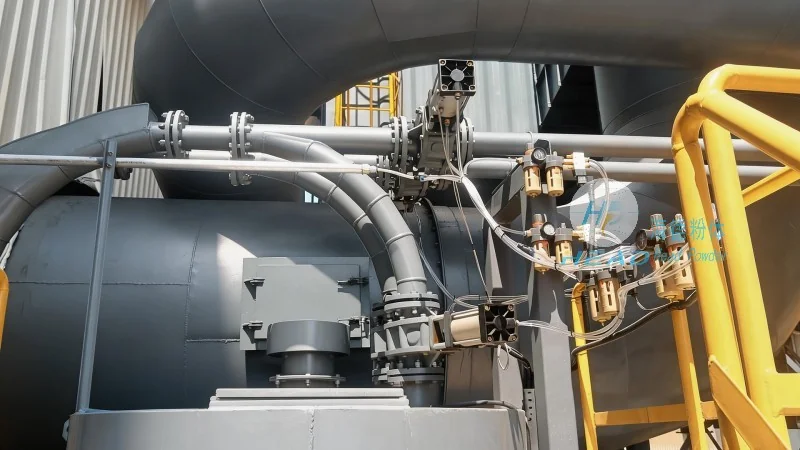
Understanding Foundry Sand Powder Pneumatic Conveying
At its core, pneumatic conveying systems for foundry sand involve the use of a pressure or vacuum system to move particles through a pipeline. The process typically begins with the material being fed into a hopper or feeder, where it is then introduced into the conveying line. Air is then introduced, either by creating a pressure differential (pressure system) or by drawing air through the system (vacuum system), to carry the sand particles along the pipeline. The choice between pressure and vacuum systems depends on factors like the distance to be covered, the particle size and density of the sand, and the overall system layout.
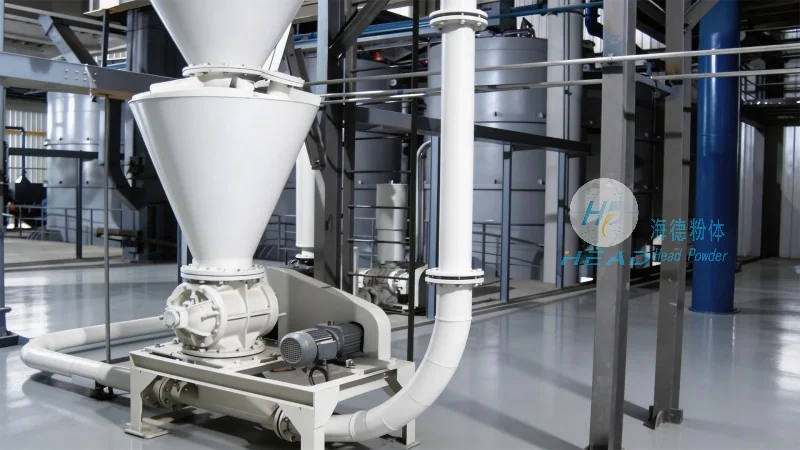
The Design Principles Behind Foundry Sand Pneumatic Conveying Systems
Designing an effective foundry sand pneumatic conveying system requires careful consideration of several key principles to ensure optimal performance, efficiency, and longevity. These principles are tailored to the unique characteristics of foundry sand, which often includes abrasive particles that can cause wear and tear on system components. A critical aspect of the design is the selection of the appropriate conveying method—either dense phase or dilute phase. Dense phase systems operate at lower velocities, using higher air-to-solids ratios to move material in a more controlled manner, reducing wear and minimizing product degradation. Dilute phase systems, on the other hand, use higher velocities and lower air-to-solids ratios, making them suitable for shorter distances or less abrasive materials. For foundry sand, dense phase conveying is often preferred to protect equipment and maintain material integrity.
Key Components of a Foundry Sand Pneumatic Conveying System
Shandong HeadPowder Engineering Co., Ltd., a leading provider of engineering solutions for material handling, emphasizes the importance of integrating several key components into a foundry sand pneumatic conveying system. These components work in concert to ensure reliable and efficient operation. The primary components include:
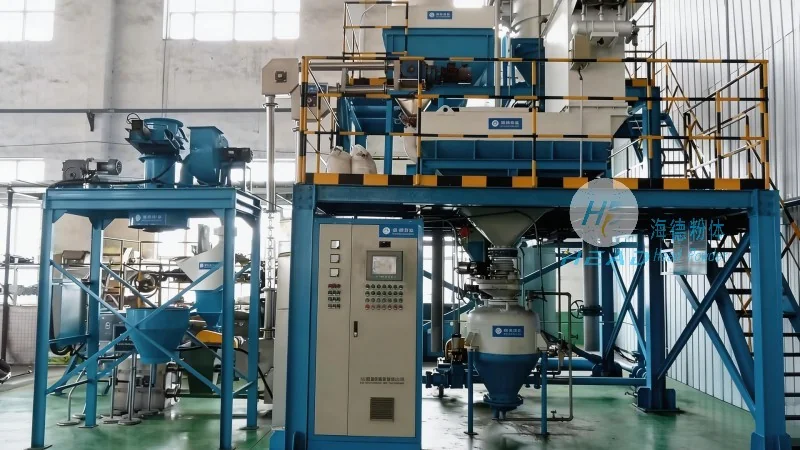
- Feeder: The feeder is responsible for controlling the flow rate of the foundry sand into the conveying system. It ensures a consistent and controlled feed, which is crucial for maintaining system stability and preventing blockages. For abrasive foundry sand, high-quality feeders with wear-resistant materials are essential to minimize maintenance and extend component life.
- Conveying Line: The pipeline through which the sand is transported. The material is typically made of stainless steel or other corrosion-resistant alloys to withstand the abrasive nature of foundry sand and the effects of air pressure. The diameter and length of the line are carefully selected based on the system's design parameters to ensure efficient material movement.
- Blowers or Vacuum Pumps: These provide the necessary air pressure or vacuum to move the sand particles. For pressure systems, high-pressure blowers are used, while vacuum systems rely on vacuum pumps. The selection of the right equipment depends on the system's requirements, including the distance, particle size, and material properties.
- Separators and Filters: After the sand reaches its destination, it must be separated from the air. Separators use gravity or centrifugal force to separate the solid particles from the gas. Filters then clean the air before it is released back into the environment, ensuring compliance with environmental regulations and maintaining system efficiency.
- Control System: Modern pneumatic conveying systems are often equipped with advanced control systems that monitor and adjust various parameters in real time. These systems can include sensors for pressure, flow rate, and material level, allowing for automated operation and quick response to changes in system conditions.
Advantages of Foundry Sand Pneumatic Conveying
Implementing a pneumatic conveying system for foundry sand offers several advantages over traditional mechanical conveying methods. These benefits include: