

What is a Fine Powder Pneumatic Conveying System? And What Are Its Design Principles?
Understanding fine powder pneumatic conveying systems is crucial for industries dealing with bulk powder handling. These systems utilize air to transport powders from one location to another, offering an efficient alternative to traditional mechanical conveying methods. The following sections will explore the fundamental aspects of such systems, including their design principles and practical applications.
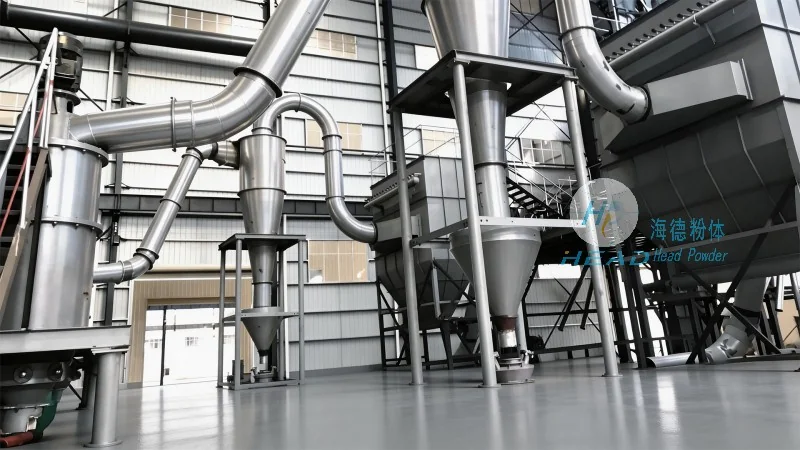
Introduction to Fine Powder Pneumatic Conveying Systems
Fine powder pneumatic conveying systems are engineered to transport dry powders through a pipeline using compressed air. This technology is widely adopted in various sectors, including pharmaceuticals, food processing, and chemical manufacturing, due to its ability to handle delicate materials without causing degradation or contamination. The system's design focuses on maintaining material integrity while ensuring reliable and continuous transport. The core concept involves creating a pressure differential that propels the powder particles through the pipeline, making it an ideal solution for transporting fine powders that are prone to caking or agglomeration.
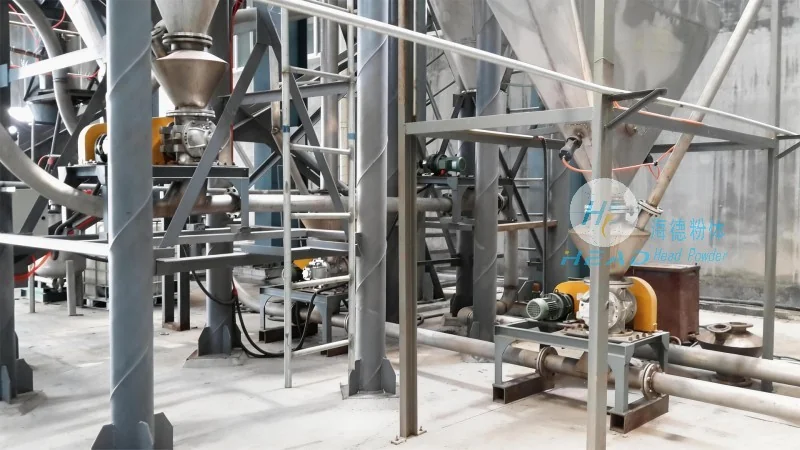
Key Components of the System
The effectiveness of a fine powder pneumatic conveying system relies on several critical components. These include the air compressor, which generates the necessary pressure to move the powder; the hopper or feeder, which stores and meters the powder into the system; the pipeline network, which forms the path for material transport; and the receiver or discharge unit, which collects the material at the destination. Each component plays a vital role in ensuring the system operates smoothly and efficiently. For instance, the air compressor must provide consistent pressure to maintain a stable flow rate, while the feeder must control the feed rate to prevent overloading or underfeeding. The pipeline design, including the diameter and material, is also crucial as it affects the pressure drop and overall system performance.
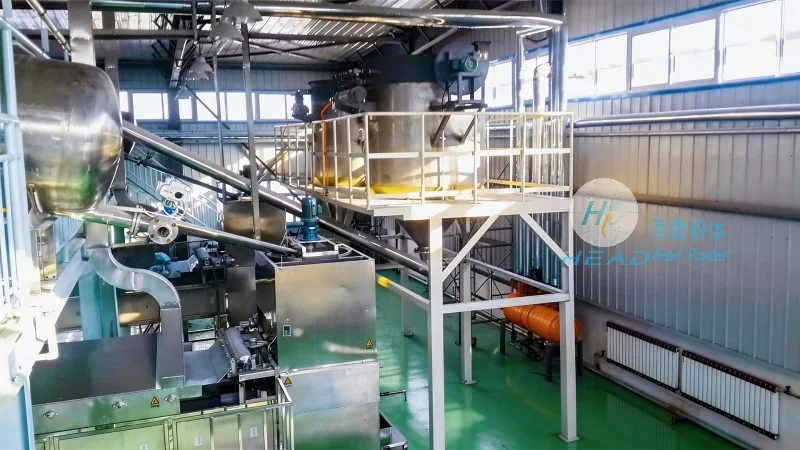
Design Principles and Operational Mechanisms
The design principles of fine powder pneumatic conveying systems are centered around maintaining a stable flow of powder and air within the pipeline. One common design is the positive pressure system, where the entire pipeline is pressurized above atmospheric pressure. This system is suitable for short to medium distances and is effective for transporting fine powders that are non-abrasive. The other design is the negative pressure (or vacuum) system, where the pipeline is maintained at a lower pressure than the surrounding atmosphere. This system is ideal for longer distances and is commonly used for handling dust or powders that need to be collected from a source. The operational mechanism involves the introduction of powder into the pipeline, where it is entrained by the air flow. The powder particles are carried along the pipeline until they reach the discharge point, where the air is separated from the powder and either recycled or vented.
Applications and Benefits of the System
Fine powder pneumatic conveying systems find applications in a wide range of industries. In the pharmaceutical industry, they are used to transport active pharmaceutical ingredients (APIs) and excipients, ensuring that the materials remain sterile and free from contamination. In food processing, these systems are employed to handle powders such as flour, sugar, and spices, maintaining the quality and freshness of the products. The chemical industry also benefits from these systems when transporting fine chemicals, as they prevent cross-contamination and ensure precise dosing. The benefits of using fine powder pneumatic conveying systems include improved material handling efficiency, reduced labor costs, and enhanced safety compared to manual handling. Additionally, these systems can handle materials that are difficult to transport using traditional methods, such as fine powders that are prone to caking or are hygroscopic.
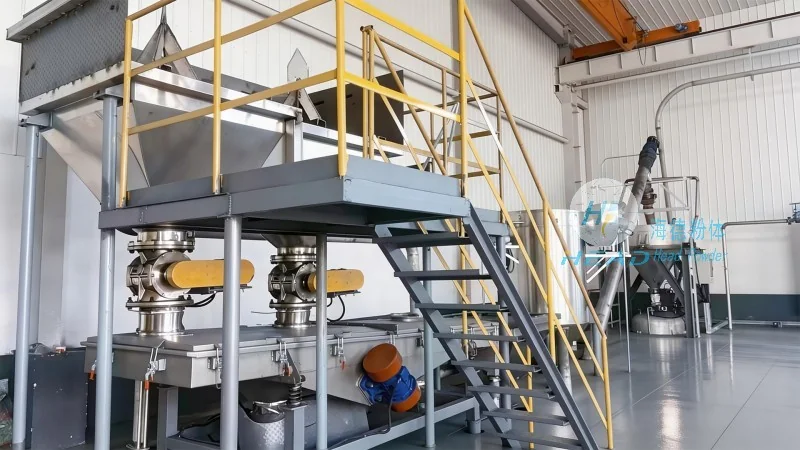
Company Overview: Shandong HeadPowder Engineering Co., Ltd.
Shandong HeadPowder Engineering Co., Ltd., commonly known as HeadPowder, is a leading manufacturer and supplier of fine powder pneumatic conveying systems. The company is headquartered in Shandong, China, and specializes in designing, manufacturing, and installing customized conveying solutions for various industries. HeadPowder's team of engineers and technicians has extensive experience in the field, ensuring that each system is tailored to meet the specific needs of the client. The company adheres to international quality standards and provides comprehensive after-sales support, including maintenance and technical assistance. With a commitment to innovation and customer satisfaction, HeadPowder has established itself as a trusted partner in the powder handling industry. The company's address is in Shandong, China, and it continues to expand its presence in both domestic and international markets.