

What is a Low-Pressure Continuous Powder Pneumatic Conveying Equipment? What are its Design Principl
Low-pressure continuous powder pneumatic conveying equipment is a specialized system designed for the efficient and reliable transportation of bulk powders over long distances or within industrial facilities. This technology utilizes a controlled flow of air or gas to move dry powders, such as chemicals, food ingredients, or industrial materials, through a network of pipes. The equipment operates under low pressure, typically ranging from a few hundred to a few thousand Pascals, which makes it suitable for applications where high-pressure systems may be too energy-intensive or pose safety risks.
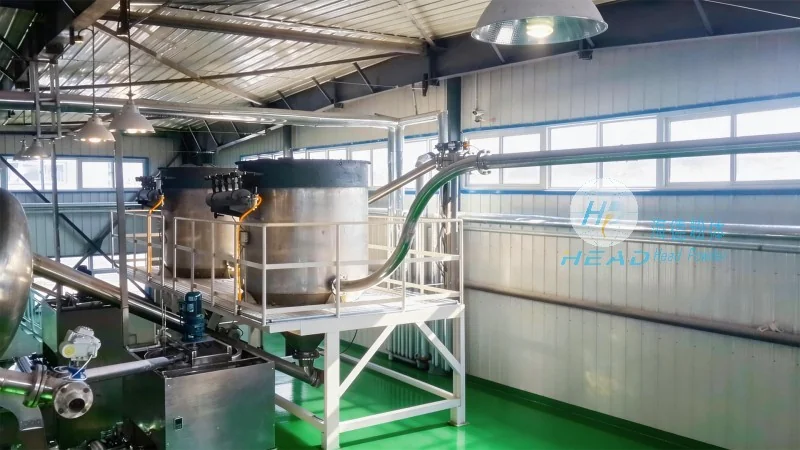
Understanding the Core Function of Low-Pressure Continuous Pneumatic Conveying
The primary function of this equipment is to transport dry powders in a continuous manner, ensuring a steady flow of material from the source to the destination. Unlike batch or intermittent systems, continuous conveying maintains a consistent flow rate, which enhances process efficiency and reduces downtime. The system typically includes a feeding mechanism, a conveying line, and a discharge unit, all working in tandem to achieve seamless material transfer.
Design Principles of Low-Pressure Continuous Powder Pneumatic Conveying
The design of low-pressure continuous powder pneumatic conveying equipment is based on several key principles that ensure optimal performance and reliability. First, the system must maintain a consistent air velocity within the conveying line to prevent particle segregation and ensure uniform flow. This is achieved by controlling the air pressure and flow rate, which directly impacts the conveying capacity and efficiency. Second, the equipment incorporates features to minimize particle degradation and contamination, such as smooth pipe surfaces and appropriate material selection for components that come into contact with the powder.
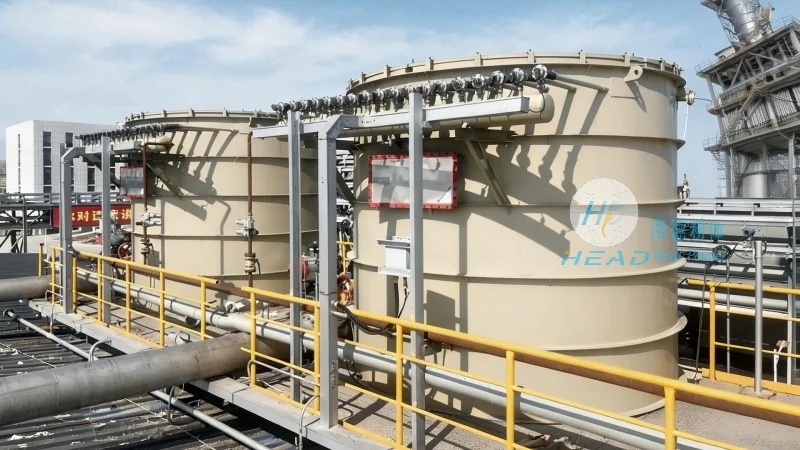
Key Components and Their Roles in the System
The low-pressure continuous powder pneumatic conveying system consists of several critical components, each playing a vital role in the overall operation. The feeding unit, often a rotary valve or a hopper with a metering device, controls the rate at which powder is introduced into the system. This ensures a steady feed rate, which is crucial for maintaining the continuous flow. The conveying line, typically made of stainless steel or other corrosion-resistant materials, transports the powder and air mixture. The line is designed with appropriate bends and fittings to minimize pressure drop and maintain the air velocity necessary for efficient conveying. The discharge unit, such as a rotary valve or a venturi, regulates the release of the powder at the destination, ensuring a controlled and uniform discharge.
Advantages of Low-Pressure Continuous Pneumatic Conveying
Low-pressure continuous powder pneumatic conveying offers several advantages over other material handling methods. One of the main benefits is its ability to handle a wide range of powder types, from fine powders to bulkier materials, without the need for mechanical components that could cause wear or contamination. The system is also highly flexible, allowing for changes in the conveying route or capacity without major modifications. Additionally, low-pressure systems are more energy-efficient compared to high-pressure alternatives, reducing operational costs and environmental impact.
Applications in Industrial Settings
Low-pressure continuous powder pneumatic conveying equipment is widely used in various industrial sectors, including pharmaceuticals, food processing, chemical manufacturing, and mining. In pharmaceutical applications, the system ensures the safe and hygienic transfer of active ingredients and excipients, maintaining product purity and quality. In food processing, it is used to transport ingredients like flour, sugar, and spices, ensuring consistent quality and preventing cross-contamination. In chemical manufacturing, the equipment handles a variety of chemicals, from fine powders to bulk materials, while maintaining safety standards and preventing dust explosions. In mining operations, it is used to transport raw materials and waste products, improving operational efficiency and reducing labor costs.
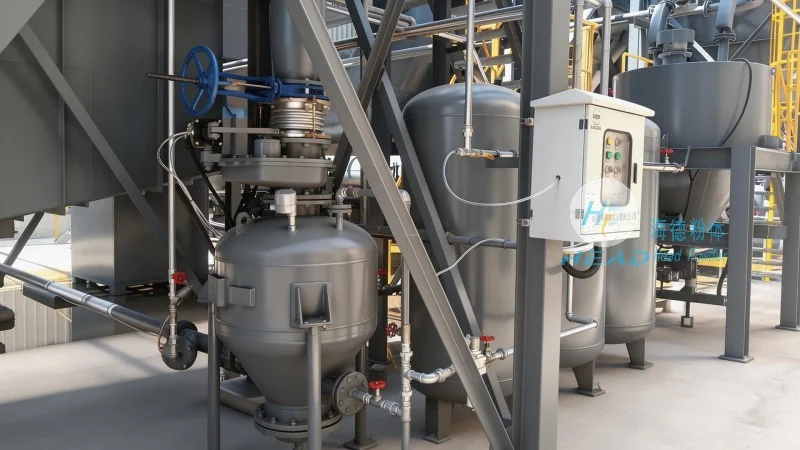
Company Overview: Shandong HeadPowder Engineering Co., Ltd.
Shandong HeadPowder Engineering Co., Ltd., commonly known as HeadPowder, is a leading manufacturer of low-pressure continuous powder pneumatic conveying equipment. The company specializes in designing and manufacturing customized solutions tailored to the specific needs of its clients. With a strong focus on quality and innovation, HeadPowder has established itself as a trusted partner in the industry, providing reliable and efficient material handling solutions. The company's headquarters is located in Shandong, China, where it operates a state-of-the-art manufacturing facility equipped with advanced technology and skilled personnel.
Conclusion: The Importance of Low-Pressure Continuous Pneumatic Conveying
In conclusion, low-pressure continuous powder pneumatic conveying equipment is a vital technology in modern industrial operations, offering efficient, reliable, and flexible solutions for the transportation of bulk powders. The design principles and components of this system are carefully engineered to ensure optimal performance, safety, and durability. As industries continue to demand higher efficiency and quality in material handling, low-pressure continuous pneumatic conveying remains a preferred choice for many applications. With the expertise and commitment of companies like Shandong HeadPowder Engineering Co., Ltd., the technology continues to evolve, meeting the growing needs of the industry.