

What is a Bulk Cargo Loading and Unloading Pneumatic Conveying System? And What Are Its Design Princ
Welcome to Shandong HeadPowder Engineering Co., Ltd., a leading manufacturer specializing in bulk material handling solutions. In this article, we will explore the concept of a bulk cargo loading and unloading pneumatic conveying system, detailing its functionality and the underlying design principles that make it an efficient solution for transporting powders and granular materials.
Understanding the Bulk Cargo Loading and Unloading Pneumatic Conveying System
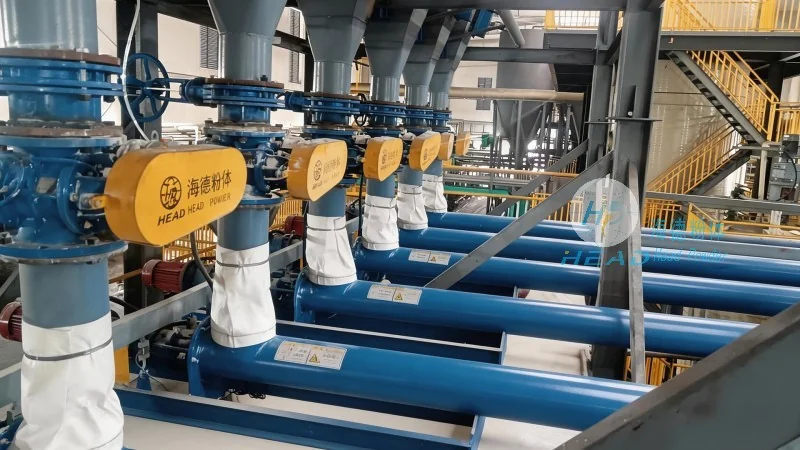
A bulk cargo loading and unloading pneumatic conveying system is a specialized equipment used in industrial and port operations to transport bulk materials such as grains, minerals, chemicals, and other powders from one location to another. This system utilizes air pressure or vacuum to move the material through a network of pipes, eliminating the need for mechanical components like conveyors or elevators that might be prone to wear and tear or contamination. The primary purpose is to facilitate the efficient loading of cargo onto ships or trucks and the unloading from vessels, ensuring smooth and continuous material flow in logistics and manufacturing processes.
Key Components and Functionality
The system typically consists of several key components that work in tandem to achieve effective material transport. These include a material feed hopper, a conveying line (either positive pressure or negative pressure), a separation or filtration system, and a discharge outlet. The feed hopper holds the bulk material and provides a controlled feed rate into the conveying line. The conveying line, which can be made of stainless steel or other corrosion-resistant materials, is designed to withstand the pressure and temperature of the material being transported. The separation system, often a cyclone or bag filter, removes any fine particles or dust from the air stream, ensuring clean air is released back into the environment. The discharge outlet delivers the material to the intended destination, such as a storage silo or a loading/unloading point.
Design Principles of the Pneumatic Conveying System
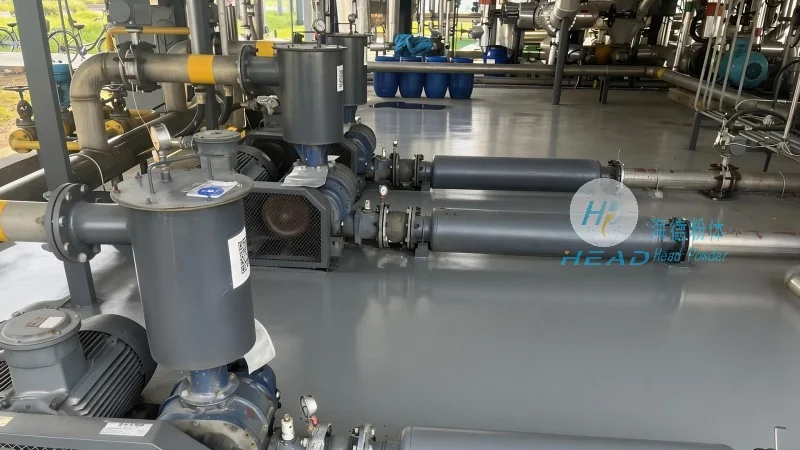
The design of a bulk cargo loading and unloading pneumatic conveying system is based on several critical principles to ensure optimal performance and reliability. One of the fundamental principles is the selection of the appropriate conveying method, either positive pressure or negative pressure, depending on the material characteristics and the distance to be covered. Positive pressure systems use compressed air to push the material through the pipeline, while negative pressure systems use vacuum to draw the material in. The choice of method affects the system's efficiency, energy consumption, and suitability for different materials.
Another crucial design principle is the calculation of the air velocity and pressure required to move the material. This involves determining the material's bulk density, flowability, and particle size distribution, as these factors influence the air flow needed to maintain a stable and continuous flow. The system's design must also consider the pipeline layout, including the number of bends, vertical lifts, and horizontal runs, as these affect the pressure drop and the overall system efficiency. Proper sizing of the pipeline diameter and the air compressor or vacuum pump capacity is essential to prevent blockages and ensure consistent material transport.
Advantages of Using a Pneumatic Conveying System for Bulk Cargo Handling
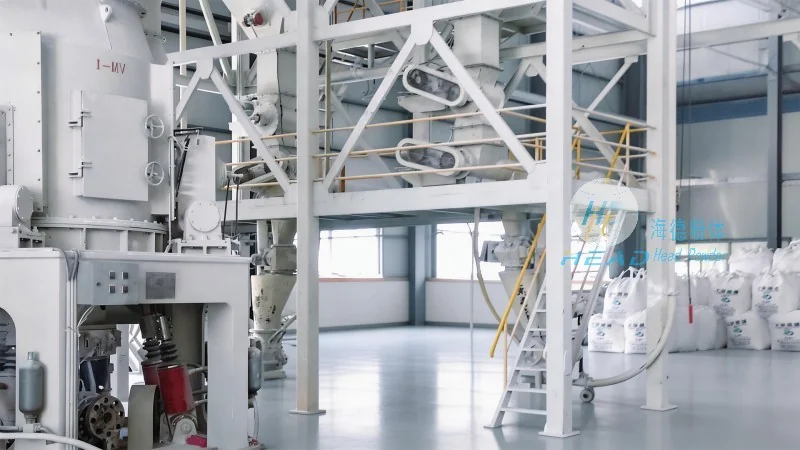
Implementing a bulk cargo loading and unloading pneumatic conveying system offers several advantages over traditional mechanical conveying methods. Firstly, it provides a clean and hygienic method of transporting materials, as the system is enclosed and prevents contamination from external sources. This is particularly important for food and pharmaceutical products, where hygiene is paramount. Secondly, the system is highly flexible and can be easily integrated into existing port or industrial facilities, allowing for modifications and expansions as needed. Thirdly, it reduces labor costs and operational downtime, as there are fewer moving parts and less maintenance required compared to traditional conveyors. Additionally, the system can handle a wide range of materials, from fine powders to coarse granules, making it a versatile solution for various industries.
Applications in Industrial and Port Operations
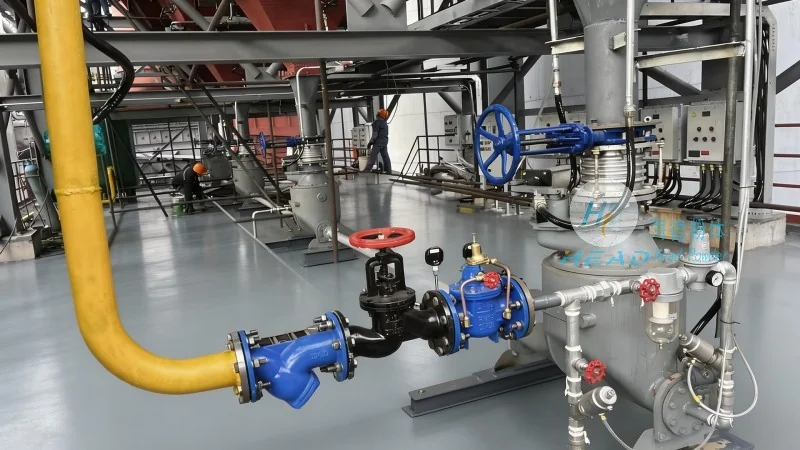
Bulk cargo loading and unloading pneumatic conveying systems are widely used in various industrial and port applications. In the port industry, these systems are essential for loading and unloading bulk materials from ships, such as grain, coal, and minerals, to and from storage facilities or transportation vehicles. In manufacturing plants, they are used to transport raw materials to production lines and finished products to storage areas. The system's ability to handle large volumes of material efficiently and safely makes it a critical component in supply chain management, ensuring smooth operations and reduced lead times.
Conclusion
In conclusion, a bulk cargo loading and unloading pneumatic conveying system is a sophisticated and efficient solution for transporting bulk materials in industrial and port settings. The system's design, based on principles of air pressure, material flow, and system layout, ensures reliable and continuous operation. As a manufacturer based in Shandong, China, Shandong HeadPowder Engineering Co., Ltd. specializes in providing customized solutions tailored to the specific needs of clients, ensuring optimal performance and cost-effectiveness. By understanding the functionality and design principles of this system, businesses can enhance their material handling processes, improve operational efficiency, and maintain high standards of safety and hygiene.