

What is a Dust Powder Pneumatic Conveying Line? And What Are Its Design Principles?
Understanding the Dust Powder Pneumatic Conveying Line and Its Design Principles
Introduction to Dust Powder Pneumatic Conveying Systems
A dust powder pneumatic conveying line is a specialized system designed to transport dry powders and fine particulate materials through a pipeline using compressed air or other gas as the conveying medium. This technology is widely used in various industries, including chemical, food, pharmaceutical, and mining, where the safe and efficient handling of bulk materials is critical. The system operates by creating a pressure differential that propels the material through the pipeline, ensuring minimal product degradation and contamination. HeadPowder, a leading manufacturer based in Shandong, China, specializes in developing and supplying high-quality pneumatic conveying solutions tailored to the unique needs of different applications.
Core Components of a Dust Powder Pneumatic Conveying Line
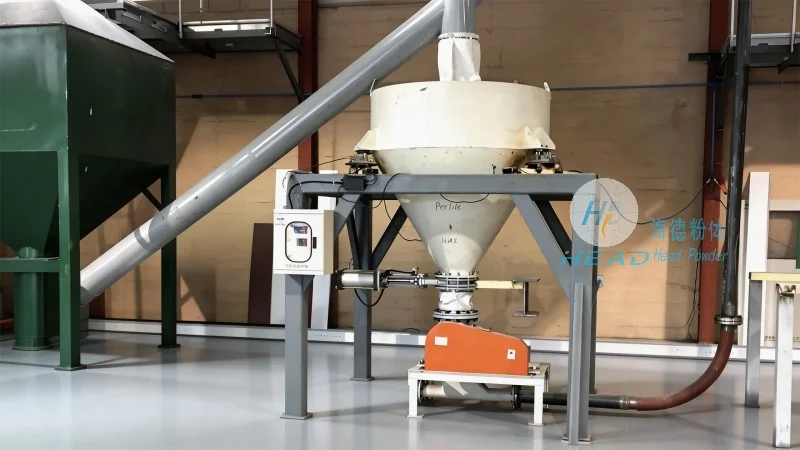
The effectiveness of a pneumatic conveying system depends on several key components that work in harmony to ensure reliable operation. The primary components include the material feed hopper, which stores and feeds the powder into the system; the air compressor or blower, which generates the necessary pressure to move the material; the conveying line itself, typically made of stainless steel or other corrosion-resistant materials to prevent material buildup and contamination; and the discharge device, which controls the release of the material at the destination. Additionally, the system may incorporate features such as cyclone separators, filters, and pressure relief valves to manage dust and maintain system safety. Each component is carefully selected and designed to meet the specific requirements of the material being conveyed, ensuring optimal performance and longevity.
Design Principles and Key Considerations
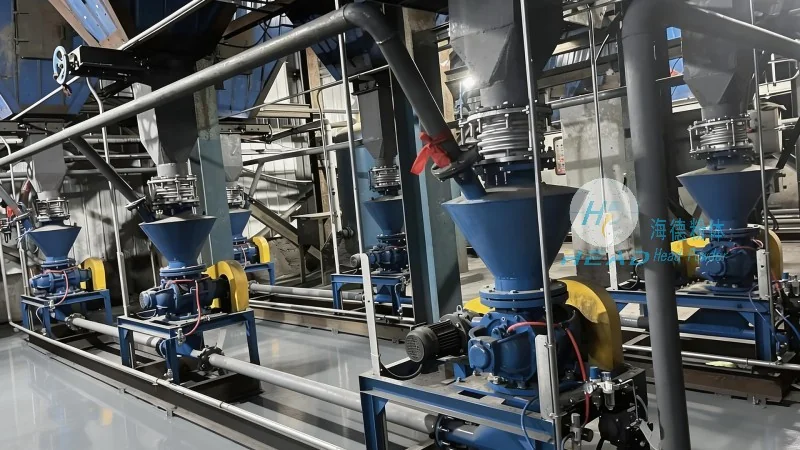
The design of a dust powder pneumatic conveying line involves several critical principles and considerations to ensure efficiency, reliability, and safety. One of the fundamental principles is the selection of the appropriate conveying method, which can be categorized into pressure or vacuum systems. Pressure systems use positive pressure to push the material through the line, while vacuum systems use negative pressure to pull the material. The choice between these methods depends on factors such as the material's properties, the distance to be conveyed, and the system's layout. Another crucial consideration is the material's flow characteristics, including its density, particle size, and moisture content, as these factors directly impact the system's performance and energy consumption. For example, cohesive or sticky powders may require special feeding mechanisms or additives to improve flowability. Furthermore, the system's design must account for the pressure drop along the pipeline, which affects the required air volume and pressure. Engineers use computational fluid dynamics (CFD) and empirical formulas to calculate the pressure drop and ensure the system operates within the optimal pressure range. Safety is also a paramount concern, as pneumatic conveying systems can pose risks of dust explosions or material blockages. Therefore, the design incorporates features such as explosion-proof components, pressure relief valves, and regular maintenance protocols to mitigate these risks and ensure compliance with industry standards.
Applications and Benefits of Dust Powder Pneumatic Conveying Lines
Dust powder pneumatic conveying lines are versatile and find applications in a wide range of industries. In the chemical industry, they are used to transport raw materials, intermediates, and finished products, such as powders for pharmaceuticals or fertilizers. The food industry relies on these systems to handle ingredients like flour, sugar, and spices, ensuring hygienic and contamination-free transport. The pharmaceutical sector benefits from the system's ability to maintain sterile conditions and prevent cross-contamination, making it ideal for transporting active pharmaceutical ingredients (APIs) and excipients. In the mining and mineral processing industry, pneumatic conveying is used to transport ore, coal, and other bulk materials from processing plants to storage or transportation facilities. The primary benefits of using a pneumatic conveying line include improved process efficiency, reduced labor costs, and enhanced safety compared to traditional methods like bucket elevators or belt conveyors. The system also minimizes product degradation by avoiding direct contact with equipment and reducing exposure to air and moisture. Additionally, it allows for flexible system layouts, enabling easy integration with existing production lines and expansion as needed. HeadPowder's expertise in customizing pneumatic conveying systems ensures that clients receive solutions that meet their specific operational requirements, maximizing the benefits and minimizing downtime.

Customization and Maintenance for Optimal Performance
HeadPowder, with its headquarters in Shandong, China, offers comprehensive customization services to meet the diverse needs of its clients. The company works closely with customers to understand their material characteristics, operational requirements, and budget constraints, then designs a tailored pneumatic conveying system. Customization may involve adjusting the conveying method, modifying component materials, or integrating additional features such as dust collection systems or material conditioning equipment. Regular maintenance is essential to ensure the long-term performance and reliability of the system. HeadPowder provides maintenance services, including routine inspections, component replacement, and troubleshooting, to keep the system operating at peak efficiency. The company's team of experienced engineers and technicians is trained to handle various issues, from minor adjustments to major repairs, ensuring minimal disruption to the client's operations. By combining advanced design with professional maintenance, HeadPowder ensures that its clients' pneumatic conveying systems deliver consistent performance and maximize their return on investment.
Conclusion
In summary, a dust powder pneumatic conveying line is a sophisticated system that efficiently transports dry powders and fine particulates using compressed air. Its design principles, which include selecting the appropriate conveying method, considering material properties, and ensuring safety, are critical to its effectiveness. The system offers numerous benefits, including improved efficiency, reduced costs, and enhanced safety, making it a preferred choice in various industries. HeadPowder, a reputable manufacturer based in Shandong, China, specializes in developing and supplying high-quality pneumatic conveying solutions, providing customized systems and maintenance services to meet the unique needs of its clients. By leveraging advanced technology and expert knowledge, HeadPowder helps industries optimize their material handling processes and achieve their operational goals.