

What is a Nanoparticle Calcium Carbonate Powder Pneumatic Conveying Line? And What Are Its Design Pr
For industrial applications, the efficient and reliable transportation of nanoparticle calcium carbonate powder is crucial. A pneumatic conveying line, specifically designed for such fine powders, plays a vital role in ensuring smooth material handling processes. This article explores the concept of a nanoparticle calcium carbonate powder pneumatic conveying line and delves into its fundamental design principles, providing insights into how such systems are engineered for optimal performance. The information presented here is based on the expertise of Shandong HeadPowder Engineering Co., Ltd., a leading provider of specialized material handling solutions.
Understanding the Nanoparticle Calcium Carbonate Powder Pneumatic Conveying Line
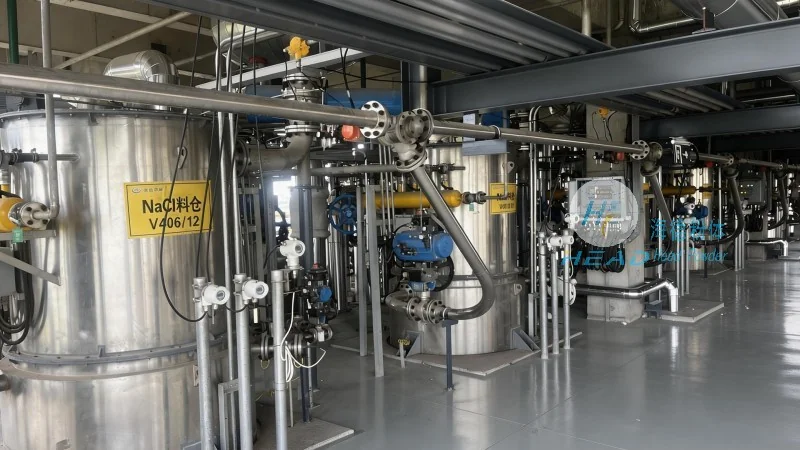
A nanoparticle calcium carbonate powder pneumatic conveying line is a specialized system used to transport fine calcium carbonate particles, typically with particle sizes in the nanometer range, from a source to a destination. Unlike traditional bulk material handling methods, this system utilizes compressed air or other gases to move the powder through a network of pipes. The design of such a line is tailored to address the unique challenges posed by nanoparticle calcium carbonate, including its high fineness, low bulk density, and potential for agglomeration or dust generation. This technology is widely used in industries such as coatings, plastics, and paper manufacturing, where the consistent supply of high-quality calcium carbonate is essential.
Key Components of the Pneumatic Conveying System
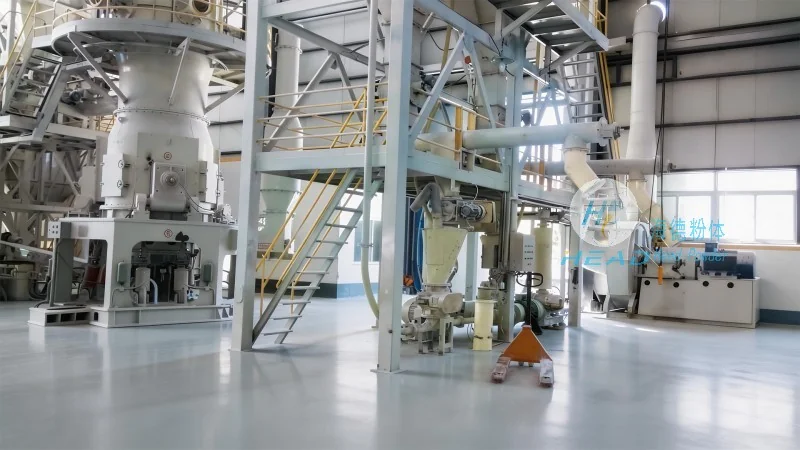
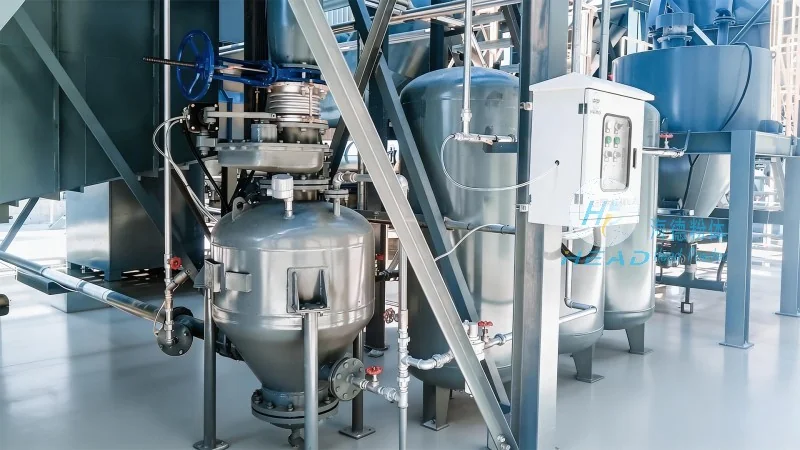
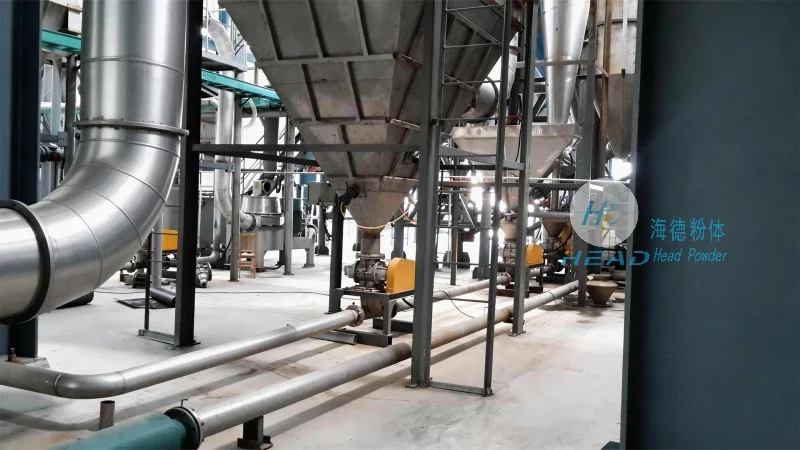
The core components of a nanoparticle calcium carbonate powder pneumatic conveying line include the feeding system, the conveying pipeline, the air separation unit, and the receiving hopper. Each component is carefully selected and configured to ensure the efficient and safe transport of the material. The feeding system, often equipped with a rotary valve or a screw feeder, controls the flow rate of the powder into the system. The conveying pipeline, made from materials resistant to corrosion and wear, such as stainless steel or special plastics, is designed to handle the abrasive nature of the calcium carbonate particles. The air separation unit, which may include cyclones or bag filters, separates the powder from the air stream, preventing dust contamination and ensuring the material is collected in the receiving hopper. The receiving hopper is typically equipped with a discharge valve to control the outflow of the material to the next processing stage. These components are engineered by Shandong HeadPowder Engineering Co., Ltd. to meet the specific requirements of nanoparticle calcium carbonate powder handling.
Design Principles for Optimal Performance
The design of a nanoparticle calcium carbonate powder pneumatic conveying line is governed by several key principles aimed at maximizing efficiency, minimizing energy consumption, and ensuring the integrity of the material. One of the primary considerations is the selection of the appropriate conveying velocity. The velocity must be high enough to prevent particle deposition on the pipeline walls but low enough to avoid excessive wear and energy consumption. Engineers often use the "critical velocity" concept, which is the minimum velocity required to keep the powder suspended in the air stream. For nanoparticle calcium carbonate, this velocity is typically higher than for coarser powders due to the smaller particle size and lower bulk density. The system pressure is another critical design parameter, as it directly impacts the conveying distance and flow rate. Higher pressures allow for longer distances but increase energy costs, making it essential to balance these factors based on the application's needs.
Additionally, the pipeline diameter is a key design choice that affects pressure drop and flow rate. A larger diameter reduces pressure drop but increases system size and cost. The air-to-solid ratio is also optimized to achieve the best balance between conveying efficiency and energy use. These design principles are carefully applied by Shandong HeadPowder Engineering Co., Ltd. to deliver systems that are both efficient and cost-effective for nanoparticle calcium carbonate applications.
Material Handling Considerations for Nanoparticle Calcium Carbonate
Nanoparticle calcium carbonate has unique properties that must be considered during the design and operation of the pneumatic conveying line. The high fineness of the powder makes it prone to agglomeration, which can lead to blockages in the pipeline. To prevent this, the system may include a deagglomeration device, such as a vibrating feeder or a high-velocity jet, which breaks up any clumps before they enter the conveying pipeline. This is a critical feature in systems designed by Shandong HeadPowder Engineering Co., Ltd. to ensure uninterrupted operation. Furthermore, the low bulk density of the powder requires a higher air volume to achieve the desired flow rate, which increases the energy consumption of the system. Therefore, the design must optimize the air-to-solid ratio to achieve the best balance between conveying efficiency and energy use, a challenge that the company addresses through advanced engineering solutions.
Application and Benefits of the Pneumatic Conveying Line
The nanoparticle calcium carbonate powder pneumatic conveying line is widely used in various industrial applications, including the production of coatings, plastics, and paper. The benefits of using such a system include improved safety, as it eliminates the need for manual handling of fine powders, which can be hazardous. It also enhances process control, as the system allows for precise control of the powder flow rate and pressure. Furthermore, the system reduces material loss and contamination, as the powder is contained within the pipeline and separated from the air stream. This results in higher product quality and lower waste generation. These advantages are particularly valuable in industries where consistency and purity are paramount, such as the manufacturing of high-performance plastics and specialty coatings.
Conclusion
In conclusion, a nanoparticle calcium carbonate powder pneumatic conveying line is a sophisticated system designed to efficiently transport fine calcium carbonate particles. The design principles, including the selection of appropriate conveying velocity, system pressure, and pipeline diameter, are crucial for achieving optimal performance. By addressing the unique challenges posed by nanoparticle calcium carbonate, such as agglomeration and low bulk density, the system ensures reliable and safe material handling. The use of this technology provides significant benefits to industrial processes, including improved safety, process control, and product quality. Shandong HeadPowder Engineering Co., Ltd. specializes in the design and implementation of such systems, leveraging their expertise to deliver tailored solutions for the efficient handling of nanoparticle calcium carbonate powder.