

[Negative Pressure Dilute Phase Powder Pneumatic Conveying Machine: What It Is and Its Design Princi
Understanding the Negative Pressure Dilute Phase Powder Pneumatic Conveying Machine and Its Design Principles
Introduction to Negative Pressure Dilute Phase Powder Pneumatic Conveying Systems
A negative pressure dilute phase powder pneumatic conveying machine is a specialized industrial equipment designed to transport dry powders and granular materials over long distances through an air stream. Unlike positive pressure systems that force air and material through a pipeline, negative pressure systems draw the material into the system using a vacuum or reduced pressure at the discharge end. This approach offers several advantages, including lower energy consumption, reduced material degradation, and enhanced safety by minimizing dust emissions at the source. The technology is widely used in industries such as pharmaceuticals, food processing, chemical manufacturing, and mineral processing, where the handling of fine powders requires precision and control.
Core Components and System Architecture
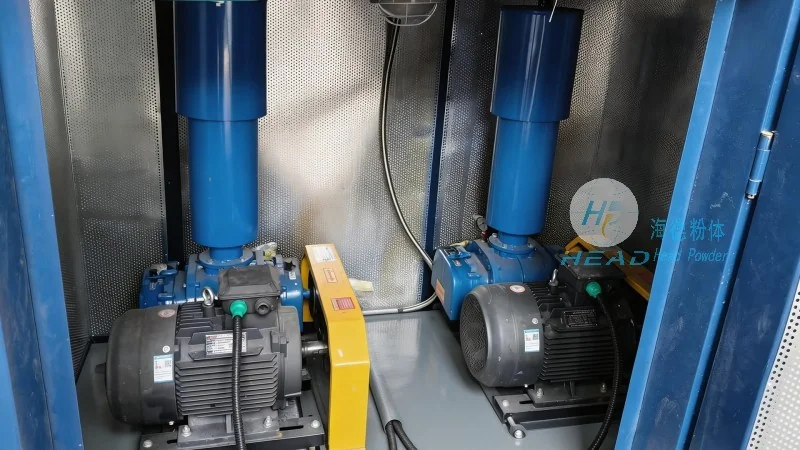
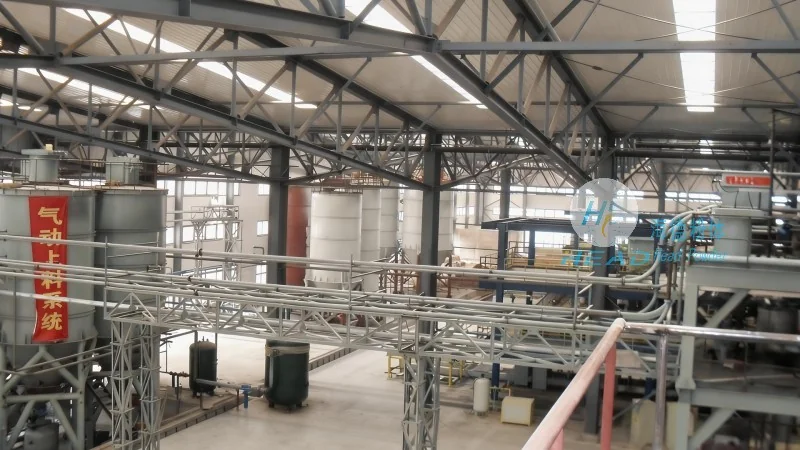
The negative pressure dilute phase powder pneumatic conveying machine consists of several key components that work in tandem to achieve efficient material transport. The primary components include a hopper or feed hopper for material storage and feeding, a rotary airlock valve to control the flow of material into the conveying line, a vacuum pump or fan to create the negative pressure, a conveying pipeline to transport the material, and a receiver or discharge hopper to collect the material at the destination. The rotary airlock valve is particularly critical as it prevents backflow of air and ensures a consistent material feed rate. The vacuum pump is responsible for maintaining the negative pressure throughout the system, while the pipeline design must account for the flow characteristics of the powder to avoid blockages or excessive pressure drops.
Working Principle of Negative Pressure Dilute Phase Conveying
The operation of a negative pressure dilute phase system begins with the material being fed from the hopper into the conveying line through the rotary airlock valve. As the material enters the pipeline, it is entrained by the air stream, which is drawn from the discharge end by the vacuum pump. The air and material mixture travels through the pipeline at a high velocity, typically ranging from 20 to 30 meters per second, depending on the powder properties and system design. The dilute phase refers to the low concentration of material in the air stream, which allows for smooth flow and reduces the risk of clogging. The system maintains a consistent negative pressure gradient along the pipeline, ensuring that the material is continuously drawn from the feed point to the discharge point. The receiver at the end of the system collects the material, and the air, now containing some residual dust, is typically filtered and returned to the system or released to the atmosphere, depending on the application requirements.
Design Principles and Key Considerations
The design of a negative pressure dilute phase powder pneumatic conveying machine involves several critical principles to ensure optimal performance and efficiency. The first principle is the selection of appropriate air velocity, which must be high enough to entrain the material but low enough to prevent excessive energy consumption and material degradation. The air velocity is typically determined based on the particle size, density, and flowability of the powder. For example, fine powders with high moisture content may require higher air velocities to maintain a dilute phase and prevent agglomeration. The second principle is the system's pressure drop, which must be minimized to reduce the load on the vacuum pump and maintain a stable flow. This is achieved through proper pipeline sizing, avoiding sharp bends or narrow sections that could cause turbulence or blockages. The third principle is the material's behavior under negative pressure, including its dustiness, abrasiveness, and potential for static electricity. These factors influence the choice of materials for the hopper, valve, and pipeline, such as stainless steel or special coatings to prevent wear and corrosion.
Advantages and Applications of Negative Pressure Dilute Phase Systems
Negative pressure dilute phase powder pneumatic conveying machines offer several advantages over other material handling methods. One of the most significant benefits is the ability to handle fine powders without causing degradation or segregation. The low pressure and high air velocity prevent the material from compacting or clumping, which is crucial for applications where the powder's quality must be maintained, such as in pharmaceuticals or food processing. Another advantage is the reduced energy consumption compared to positive pressure systems, as the vacuum pump operates at lower pressures and can be more energy-efficient. Additionally, negative pressure systems are safer as they minimize dust emissions at the source, reducing the risk of inhalation or environmental contamination. These systems are commonly used in the transportation of powders like flour, cement, pharmaceutical powders, and chemical additives, as well as in mineral processing for transporting ore or tailings.
Customization and Integration with Industrial Processes
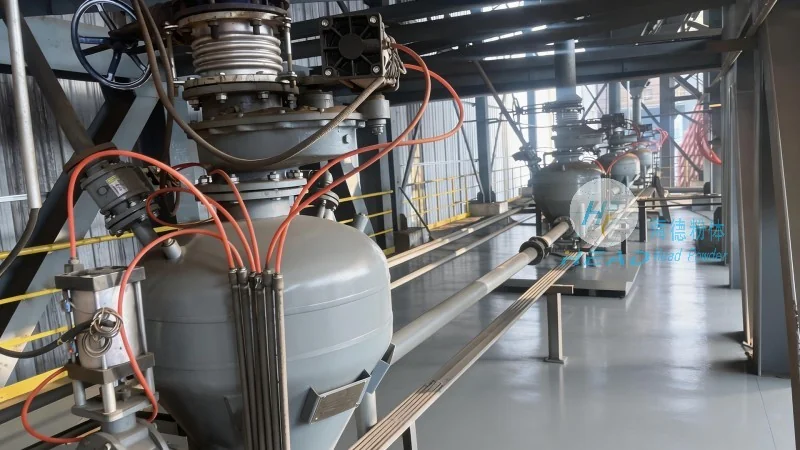
Shandong HeadPowder Engineering Co., Ltd., a leading manufacturer based in China, specializes in designing and manufacturing customized negative pressure dilute phase powder pneumatic conveying machines tailored to specific industrial needs. The company's expertise lies in understanding the unique requirements of each application, from material properties to system integration with existing processes. Customization options include varying the hopper size and design to accommodate different storage capacities, selecting the appropriate rotary airlock valve based on material flow rates and particle size, and optimizing the pipeline layout to minimize pressure drop and ensure efficient transport. The company also considers the environmental and safety aspects of the system, such as dust collection and explosion-proof designs, to meet regulatory standards and industry best practices. By integrating these custom solutions, Shandong HeadPowder Engineering Co., Ltd. helps industries achieve efficient, reliable, and cost-effective material handling while maintaining product quality and safety.
Conclusion: The Role of Negative Pressure Dilute Phase Systems in Modern Material Handling
In conclusion, the negative pressure dilute phase powder pneumatic conveying machine is a sophisticated and versatile solution for transporting dry powders and granular materials in various industrial applications. Its design principles, centered on maintaining a dilute phase, controlling pressure drop, and optimizing material flow, ensure efficient and reliable operation. The technology's advantages, including low energy consumption, minimal material degradation, and enhanced safety, make it a preferred choice for industries where precision and control are paramount. As a manufacturer with a strong presence in China, Shandong HeadPowder Engineering Co., Ltd. plays a crucial role in providing customized solutions that meet the diverse needs of modern industrial processes, contributing to the advancement of material handling technology and the efficiency of global manufacturing operations.