

What is the Pneumatic Conveying of Potassium Sulfate Material? What Are the Design Principles?
For industrial operations involving the handling of potassium sulfate, efficient material transport is crucial. Pneumatic conveying systems offer a reliable solution for moving this type of material, especially when considering the unique properties of potassium sulfate. This article explores the concept of pneumatic conveying for potassium sulfate and delves into the design principles that underpin such systems.
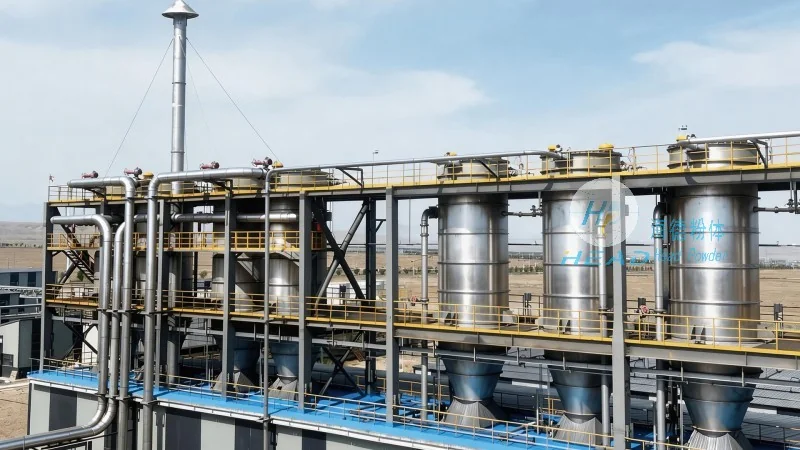
Potassium Sulfate: Properties and Handling Challenges
Potassium sulfate is a common fertilizer and industrial chemical with specific characteristics that influence its handling. It is typically a white crystalline solid with a moderate bulk density and can be hygroscopic in some conditions. These properties mean that traditional bulk material handling methods may not be as effective or may require additional equipment to prevent material degradation or blockages. Pneumatic conveying addresses these challenges by using air to transport the material, reducing the need for mechanical components that could cause wear or contamination.
Understanding Pneumatic Conveying Systems
Pneumatic conveying involves the use of air to move bulk materials through a pipeline. There are two main types: dilute-phase and dense-phase. Dilute-phase systems use low air velocities to transport material in a dispersed state, while dense-phase systems use higher air velocities to push material in a compacted form. For potassium sulfate, the choice between these systems depends on factors such as the material's flowability, the distance to be conveyed, and the required material discharge characteristics.
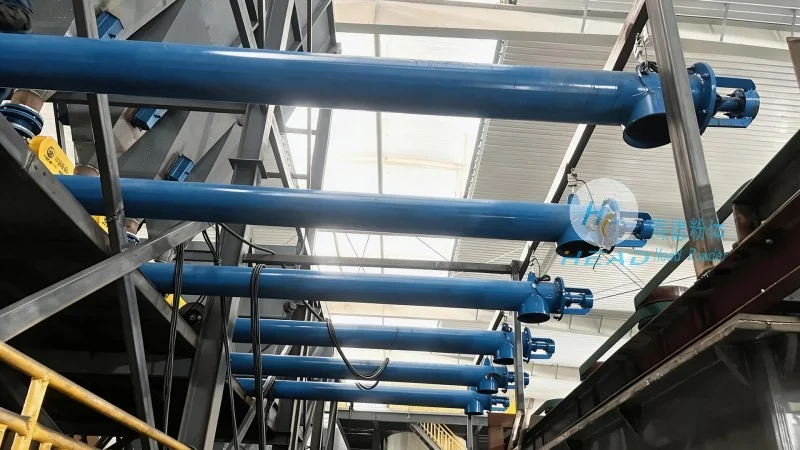
Design Principles for Potassium Sulfate Pneumatic Conveying
The design of a pneumatic conveying system for potassium sulfate must consider several key factors to ensure optimal performance and longevity. First, the system must be able to handle the material's specific gravity and bulk density. The pipeline design, including diameter and length, is critical to maintaining the desired air velocity and pressure drop. Second, the system must incorporate appropriate equipment for material loading and unloading, such as feeders and cyclones, to prevent material buildup and ensure smooth operation. Third, the system must address potential issues like material abrasion and corrosion, as potassium sulfate can be abrasive and may contain impurities that affect equipment life.
Role of HeadPowder in Pneumatic Conveying Solutions
Shandong HeadPowder Engineering Co., Ltd., a leading provider of material handling solutions, specializes in designing and manufacturing pneumatic conveying systems tailored to the needs of industries handling potassium sulfate. With a focus on engineering excellence and customer satisfaction, HeadPowder offers customized solutions that meet the specific requirements of each application. The company's expertise in material flow dynamics and system integration ensures that the designed pneumatic conveying systems are efficient, reliable, and cost-effective.
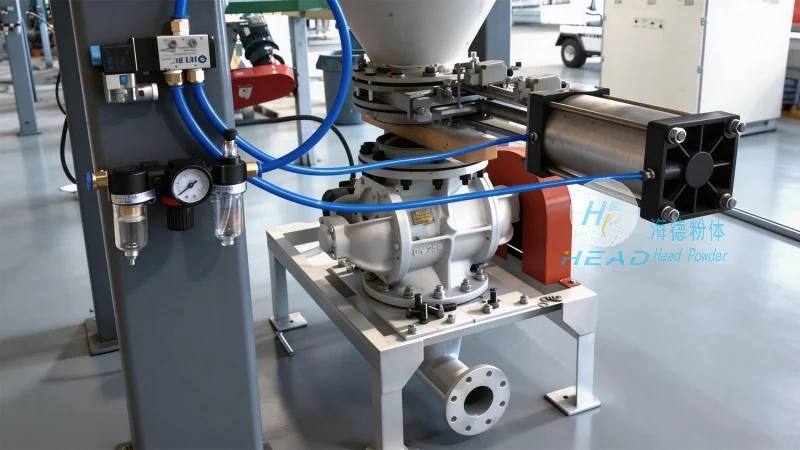
Key Considerations in System Implementation
When implementing a pneumatic conveying system for potassium sulfate, several considerations are essential. The system must be designed to handle the material's flow characteristics, including its angle of repose and compressibility. Proper air flow management is critical to prevent blockages and ensure consistent material transport. Additionally, the system should include safety features to protect against pressure buildup and material spills. The choice of materials for the pipeline and equipment, such as stainless steel or specialized coatings, is also important to prevent corrosion and maintain the purity of the potassium sulfate.
Conclusion: Efficient Material Handling with Pneumatic Conveying
Pneumatic conveying offers a robust and efficient method for handling potassium sulfate, addressing the challenges associated with traditional bulk material transport. By adhering to sound design principles and leveraging the expertise of companies like Shandong HeadPowder Engineering Co., Ltd., industries can achieve reliable and cost-effective material movement. The key to successful implementation lies in understanding the material's properties, selecting the appropriate system type, and ensuring proper equipment design and maintenance.