

What is a Metal Iron Powder Material Pneumatic Conveying System? What are the Design Principles?
For industrial applications involving the handling of metal iron powder, an efficient and reliable material conveying system is essential. A metal iron powder material pneumatic conveying system is a specialized solution designed to transport iron powder particles through a pipeline using air or other gas as the conveying medium. This technology offers numerous advantages over traditional mechanical conveying methods, including reduced contamination, improved product quality, and enhanced safety in handling potentially reactive or sensitive materials.
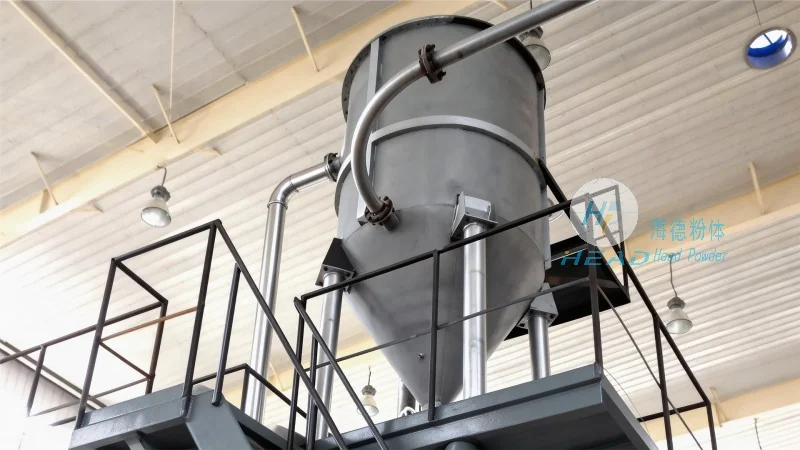
Understanding the Core Components of a Metal Iron Powder Pneumatic Conveying System
The operation of a metal iron powder pneumatic conveying system relies on several key components that work in tandem to ensure smooth and effective material transport. The primary elements include a hopper or feeder for material storage and discharge, a conveying line (usually a pipeline) where the iron powder is propelled by air, a blower or compressor to generate the necessary air pressure, and a receiver or discharge unit where the material is collected. Additionally, control valves, filters, and dust collection systems may be integrated to regulate flow, prevent dust emissions, and maintain system efficiency.
The Design Principles Behind Metal Iron Powder Pneumatic Conveying
The design of a metal iron powder pneumatic conveying system is guided by several fundamental principles aimed at optimizing performance, minimizing operational issues, and ensuring long-term reliability. One of the most critical principles is the selection of appropriate air velocity and pressure. The air velocity must be sufficient to overcome the gravitational forces acting on the iron powder particles and maintain a stable flow within the pipeline. This typically requires a higher air velocity compared to conveying less dense materials, as iron powder has a relatively high density and can settle quickly if not adequately suspended by the air stream. The pressure level is also carefully determined to balance energy efficiency with the ability to transport the material over the required distance without excessive wear on components.
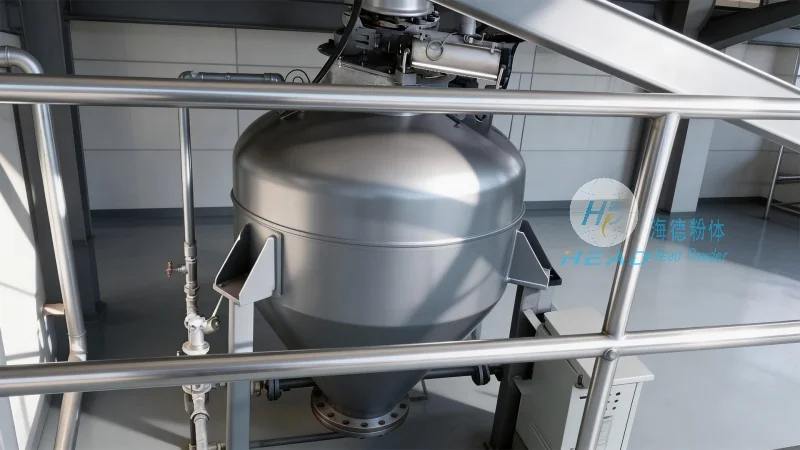
Another key design principle is the consideration of particle size and flow characteristics. Metal iron powder particles can vary in size, and the system must be designed to handle the specific size distribution of the material. Coarser particles may require higher air velocities to prevent clogging or blockages in the pipeline, while finer particles might need additional measures, such as anti-static coatings or specialized filters, to prevent static buildup and ensure consistent flow. The system's design also accounts for the potential for material segregation or agglomeration, which can affect conveying efficiency and product quality. Proper hopper design, including the use of cone or wedge-shaped hoppers with appropriate discharge mechanisms, helps to minimize these issues by ensuring uniform material flow and preventing the formation of bridging or rat-holing.
The Role of Material Properties in System Design
The physical and chemical properties of metal iron powder significantly influence the design and operation of the pneumatic conveying system. Iron powder is often a fine, dry powder with a high density and can exhibit abrasive characteristics, which means that the system components, particularly the conveying line and blower, must be constructed from materials that can withstand wear and corrosion. Stainless steel or other corrosion-resistant alloys are commonly used for the pipeline and internal components to prevent degradation from the iron powder and any moisture present. Additionally, the material's reactivity or sensitivity to moisture or air exposure may necessitate the inclusion of sealed or enclosed systems with minimal air leakage to maintain product integrity. The design may also incorporate features such as temperature control or moisture removal to prevent oxidation or clumping of the iron powder, which could otherwise compromise the conveying process.
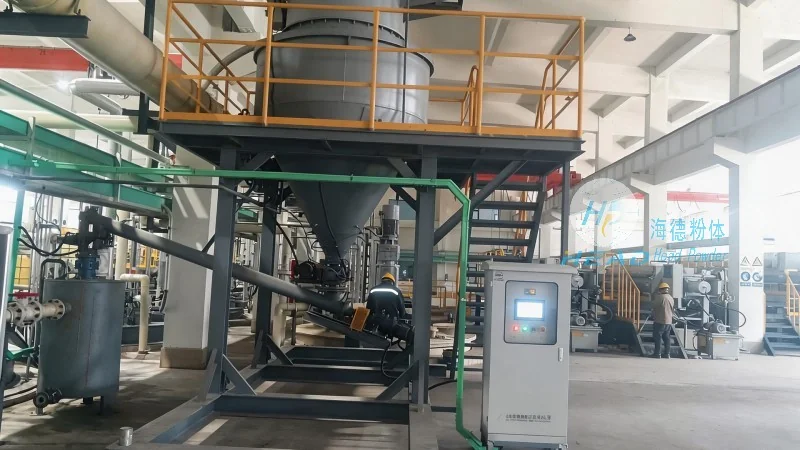
Advantages of Metal Iron Powder Pneumatic Conveying Systems
Implementing a metal iron powder pneumatic conveying system offers several advantages that make it a preferred choice for many industrial applications. One of the most significant benefits is the ability to handle the material in a closed system, which minimizes dust emissions and protects both the product and the environment from contamination. This is particularly important for iron powder, which can be a source of fine particulate matter if not properly contained. The closed system also helps to maintain the purity of the iron powder, preventing cross-contamination with other materials or environmental factors.
Another advantage is the flexibility and scalability of the system. Pneumatic conveying systems can be easily adapted to handle varying material flow rates and distances, making them suitable for both small-scale laboratory operations and large-scale industrial production lines. The system can be expanded or modified to accommodate changes in production volume or material specifications without requiring major overhauls. Furthermore, the lack of moving parts in the conveying line (beyond the air source and control valves) reduces the risk of mechanical failure and maintenance requirements compared to mechanical conveying systems, which often involve gears, belts, or chains that can wear out or break.
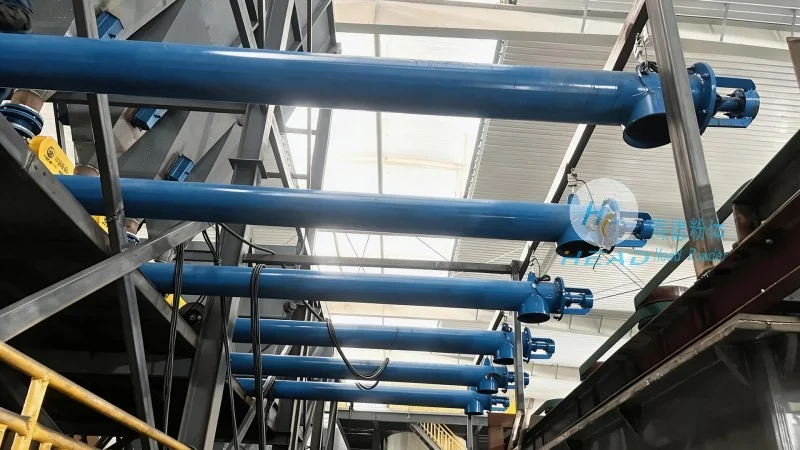
Considerations for System Integration and Maintenance
When integrating a metal iron powder pneumatic conveying system into an existing industrial setup, several factors must be considered to ensure optimal performance and longevity. Proper system sizing is crucial, as an undersized system may lead to clogging or inefficient material transport, while an oversized system can result in unnecessary energy consumption and increased operational costs. The system's location and layout should also be carefully planned to minimize the length of the conveying line and reduce the number of bends or fittings, which can cause pressure drops and particle separation. Additionally, regular maintenance is essential to keep the system operating at peak efficiency. This includes cleaning filters and dust collection systems, inspecting for wear on components, and checking the air pressure and flow rates to ensure they remain within the optimal range.
Shandong HeadPowder Engineering Co., Ltd., a leading provider of material handling solutions, specializes in designing and manufacturing custom metal iron powder pneumatic conveying systems tailored to the specific needs of their clients. With years of experience in the industry, the company understands the unique challenges associated with handling metal iron powder and has developed advanced solutions that address these challenges effectively. The company's expertise in system design, material selection, and component manufacturing ensures that their systems are reliable, efficient, and durable, providing long-term value to their customers. HeadPowder's commitment to quality and customer satisfaction has made them a trusted partner for businesses seeking to improve their material handling processes and enhance overall operational efficiency.