

What is a Flaky Graphite Powder Material Pneumatic Conveying System? What Are Its Design Principles?
For industries dealing with flaky graphite powder, efficient and reliable material handling is crucial. A pneumatic conveying system specifically designed for such materials can significantly enhance operational efficiency and safety. This article, brought to you by Shandong HeadPowder Engineering Co., Ltd. (headpowder), explores the concept of a flaky graphite powder material pneumatic conveying system, detailing its design principles and the technical aspects that make it suitable for handling this particular type of material.
Understanding Flaky Graphite Powder and Its Handling Challenges
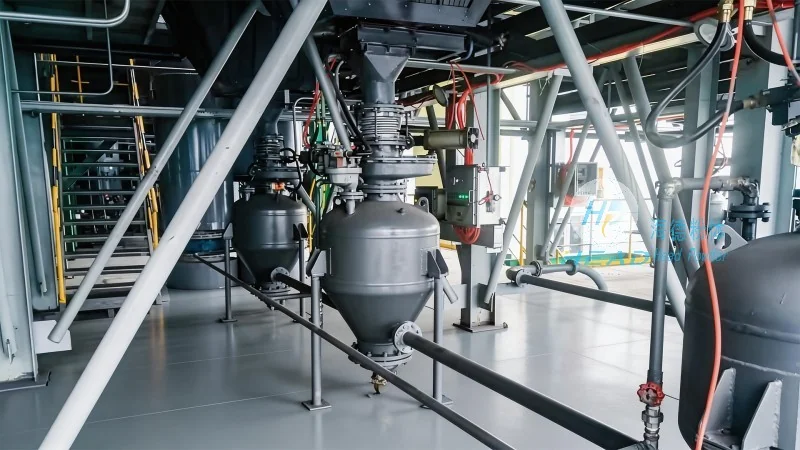
Flaky graphite powder is a form of natural graphite with a layered structure, giving it unique properties such as high lubricity, electrical conductivity, and thermal stability. These characteristics make it valuable in various applications, including lubricants, batteries, and refractory materials. However, its fine particle size and cohesive nature present challenges during material handling. Traditional methods like belt conveyors or bucket elevators may cause material degradation, dust generation, or blockages. Pneumatic conveying offers a solution by transporting the powder through a pipeline using air pressure, minimizing these issues.
The Core Components of a Flaky Graphite Powder Pneumatic Conveying System
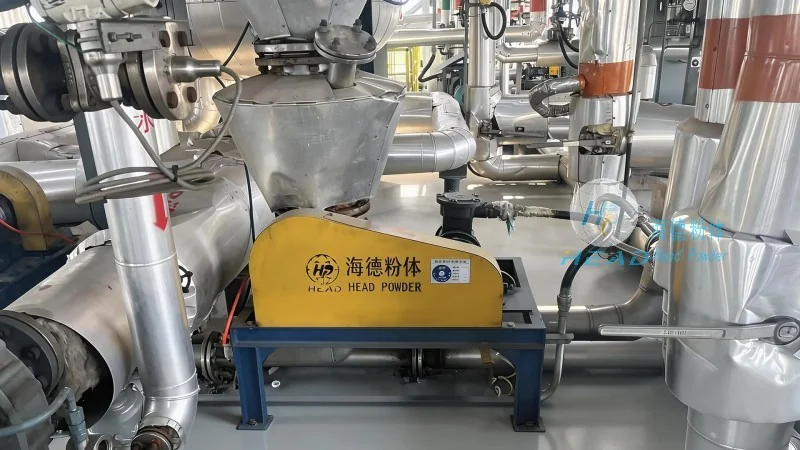
A pneumatic conveying system for flaky graphite powder typically consists of several key components that work in tandem to ensure efficient material transport. The main components include a material feeder, a conveying line, a separator or filter, and a dust collection system. The material feeder is responsible for introducing the graphite powder into the system, often using a rotary valve or a screw feeder to control the flow rate. The conveying line, usually made of stainless steel or other corrosion-resistant materials, transports the powder through the system. A separator or filter is used to separate the powder from the air stream, preventing dust from being released into the environment. Finally, a dust collection system captures any residual particles, ensuring compliance with environmental regulations.
Design Principles for Optimal Performance
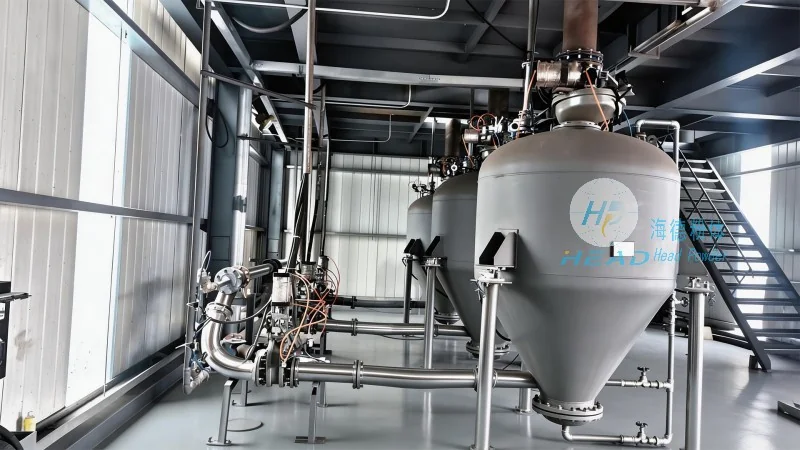
The design of a flaky graphite powder pneumatic conveying system is based on several key principles to ensure optimal performance. First, the system must be designed to handle the specific properties of flaky graphite powder, such as its low bulk density and tendency to form agglomerates. This involves selecting appropriate equipment and materials that can prevent material degradation and maintain particle integrity. Second, the system must be capable of maintaining a consistent flow rate and pressure to avoid blockages or uneven material distribution. This is achieved through proper sizing of the conveying line, the use of air compressors with sufficient capacity, and the implementation of control systems that monitor and adjust the system parameters in real-time. Third, the system must be designed with safety and environmental considerations in mind. This includes features like explosion-proof components, dust collection systems, and proper ventilation to protect workers and the environment from dust exposure.
Advantages of Using a Pneumatic Conveying System for Flaky Graphite Powder
Compared to traditional material handling methods, a pneumatic conveying system offers several advantages for flaky graphite powder. One of the primary benefits is the ability to transport the material in a closed system, which minimizes dust generation and exposure to workers. This not only improves workplace safety but also reduces the risk of environmental contamination. Another advantage is the high efficiency in material transport, as the system can move large quantities of powder over long distances with minimal energy consumption. Additionally, the system is flexible and can be easily integrated with other processing equipment, such as mixers or classifiers, to form a complete production line. The ability to control the flow rate and pressure allows for precise material handling, which is crucial for applications that require consistent quality and performance.
Application Examples and Industry Impact
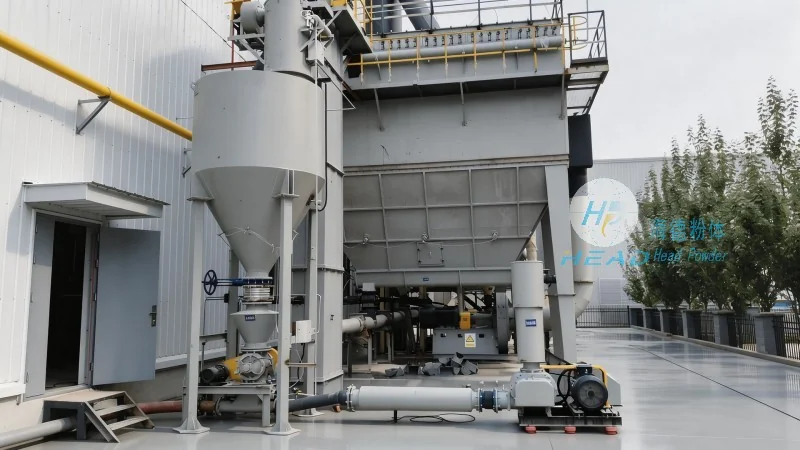
The flaky graphite powder pneumatic conveying system is widely used in various industries that rely on graphite powder. For example, in the battery industry, the system is used to transport graphite powder for battery anode production, ensuring a consistent and high-quality material supply. In the lubricant industry, the system is used to handle graphite powder for lubricant formulations, maintaining the purity and performance of the final product. In the refractory industry, the system is used to transport graphite powder for refractory material production, improving the efficiency of the manufacturing process. The use of such a system has a significant impact on the overall productivity and quality of these industries, as it reduces downtime, minimizes material waste, and enhances the safety of the working environment.