

What is a Calcium Chloride Material Pneumatic Conveying Equipment? What are its Design Principles?
Calcium chloride is a widely used chemical compound in various industrial applications, and the efficient handling of this material is crucial for many processes. Pneumatic conveying equipment offers a reliable solution for transporting calcium chloride, ensuring safety, efficiency, and minimal product degradation. This article explores the concept of calcium chloride material pneumatic conveying equipment and delves into its design principles to help users understand how such systems operate and why they are essential in industrial settings.

Understanding Calcium Chloride Material Pneumatic Conveying Equipment
Calcium chloride (CaCl₂) is a hygroscopic salt that is commonly used in de-icing, water treatment, and as a desiccant. When handling this material, traditional methods like belt conveyors or bucket elevators may not be suitable due to the material's properties, such as its tendency to stick or clump. Pneumatic conveying systems provide an alternative by using air to transport the material from one location to another. These systems are particularly effective for calcium chloride because they can handle fine powders and prevent contamination or loss of product quality.
The Role of Pneumatic Conveying in Calcium Chloride Handling
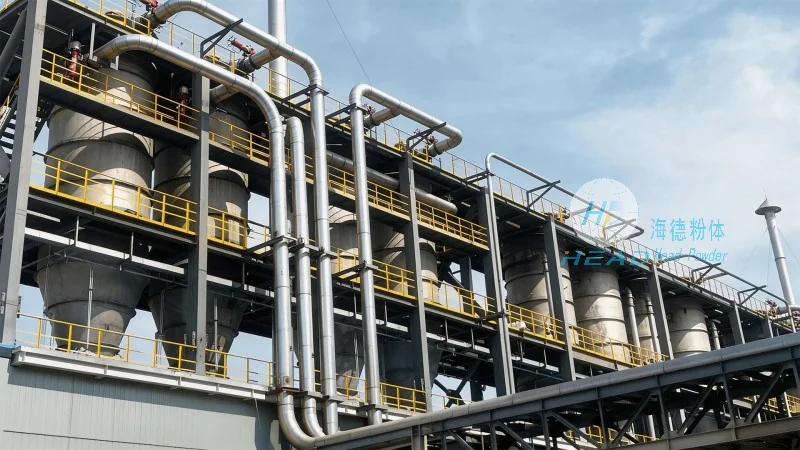
Pneumatic conveying equipment is designed to move bulk materials like calcium chloride through a pipeline using compressed air. The system typically consists of a hopper, a feeder, a conveying line, and a receiver. The material is fed into the system from the hopper, and the feeder controls the flow rate. Compressed air then propels the material through the pipeline to the receiver, where it is collected. This method is advantageous because it eliminates the need for mechanical parts that come into direct contact with the material, reducing wear and tear and minimizing the risk of contamination.
Design Principles of Calcium Chloride Pneumatic Conveying Systems
The design of a calcium chloride pneumatic conveying system involves several key principles to ensure optimal performance. First, the system must be able to handle the hygroscopic nature of calcium chloride, which can cause the material to absorb moisture and become sticky. To address this, the system is often equipped with drying or moisture control mechanisms to maintain the material's properties. Second, the pipeline design is critical; it must be constructed from materials that are resistant to corrosion and chemical reactions, as calcium chloride can be corrosive to certain metals. Stainless steel or special coatings are commonly used for the pipeline to prevent degradation.
Third, the air pressure and flow rate are carefully controlled to ensure efficient conveying without causing excessive wear on the system components. The system may use either positive pressure (where air pushes the material) or negative pressure (where air pulls the material), depending on the application and the distance the material needs to travel. For calcium chloride, positive pressure systems are often preferred as they provide better control over the material flow and reduce the risk of dust emissions.
Components and Functionality of the Equipment
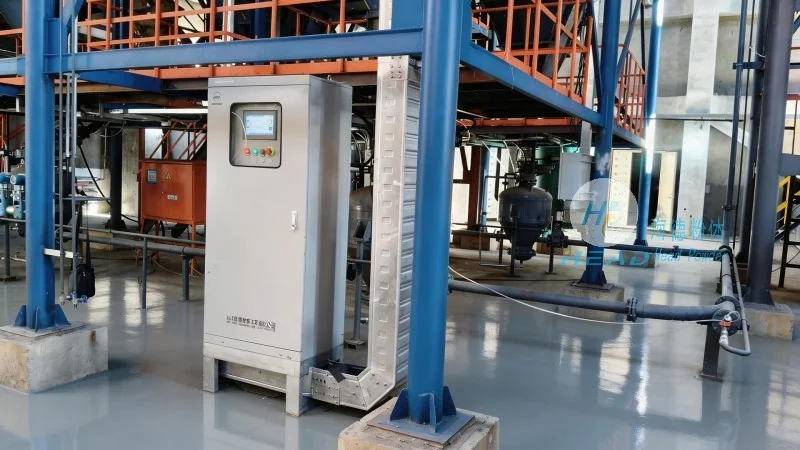
The core components of a calcium chloride pneumatic conveying system include the hopper, which stores the material; the feeder, which regulates the material feed rate; the conveying line, which transports the material; and the receiver, which collects the material at the destination. The hopper is typically designed with a sloped bottom to facilitate material flow and prevent clogging. The feeder may be a rotary valve or a screw feeder, which ensures a consistent flow of material into the system. The conveying line is usually made of stainless steel or other corrosion-resistant materials and is equipped with elbows and other fittings to direct the material flow. The receiver is a container that collects the material and may include a discharge valve for further processing.
Advantages of Using Pneumatic Conveying for Calcium Chloride
There are several advantages to using pneumatic conveying equipment for calcium chloride. First, it offers a dust-free and clean transfer process, which is important for maintaining product quality and safety. Unlike mechanical conveyors, pneumatic systems do not generate dust or cause contamination, making them suitable for applications where product purity is critical. Second, the system can handle a wide range of material sizes and flow rates, making it versatile for different industrial needs. Third, the equipment is relatively easy to install and maintain, as it has fewer moving parts compared to traditional conveyors. Additionally, pneumatic conveying can be integrated with other processing equipment, such as mixers or reactors, to create a seamless production line.
Applications of Calcium Chloride Pneumatic Conveying Equipment
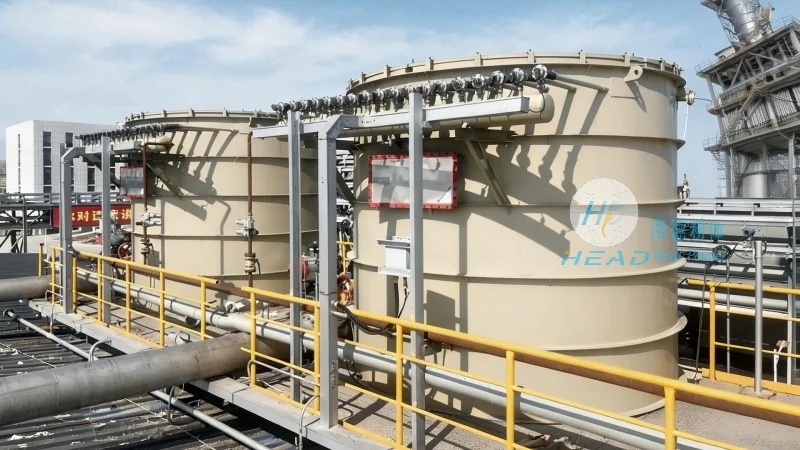
Calcium chloride pneumatic conveying systems are used in various industries where calcium chloride is a key component. In the construction industry, these systems are used to transport calcium chloride for de-icing roads and sidewalks. In water treatment plants, they are used to add calcium chloride to the water to adjust pH levels or to treat water for industrial use. In the food industry, calcium chloride is used as a food additive, and the pneumatic conveying equipment ensures that the material is handled hygienically and without contamination. In the chemical industry, calcium chloride is used as a desiccant or as a raw material for other chemical products, and the conveying system helps to move the material efficiently between processing stages.
Conclusion
Calcium chloride material pneumatic conveying equipment is a vital tool for industries that rely on this chemical compound. By understanding the design principles and components of such systems, users can ensure that their material handling processes are efficient, safe, and cost-effective. The equipment from Shandong HeadPowder Engineering Co., Ltd., based in China, offers reliable solutions for calcium chloride handling, combining advanced design with practical application to meet the needs of various industrial sectors. Whether for de-icing, water treatment, or chemical processing, pneumatic conveying systems provide an effective and efficient way to transport calcium chloride, ensuring that the material reaches its destination in optimal condition.