

What is a Silage Material Pneumatic Conveying Equipment? And What Are Its Design Principles?
For agricultural operations dealing with silage, the efficient handling and transportation of this material is crucial. Silage material pneumatic conveying equipment has emerged as a vital solution, offering a reliable method to move silage from storage to processing or feeding areas. This equipment utilizes air pressure to transport the material, eliminating the need for mechanical components like belts or buckets, which can be prone to wear and tear. Understanding the technology behind such systems and their design principles is essential for optimizing silage management in modern farming.
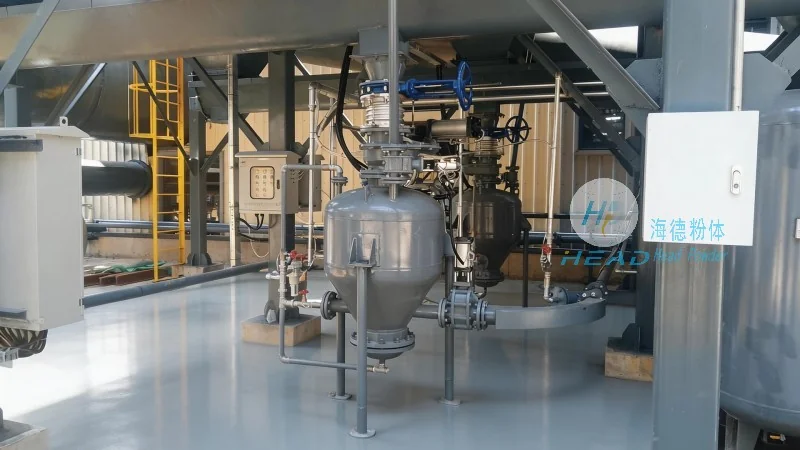
Company Profile: Shandong HeadPowder Engineering Co., Ltd.
HeadPowder, a leading manufacturer based in Shandong, China, specializes in the design and production of advanced pneumatic conveying equipment. With years of experience in the industry, HeadPowder has developed solutions tailored to the unique challenges of silage handling, ensuring durability, efficiency, and low maintenance costs. The company's commitment to quality and innovation has positioned it as a trusted partner for agricultural businesses seeking to enhance their silage processing capabilities.
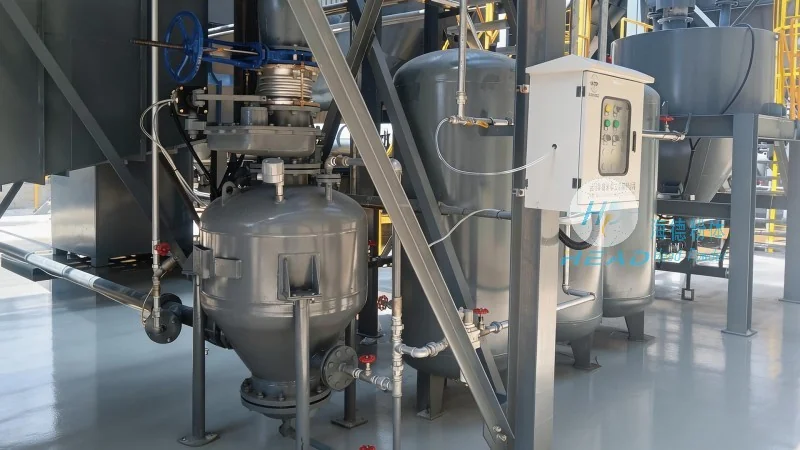
Understanding Pneumatic Conveying Systems for Silage
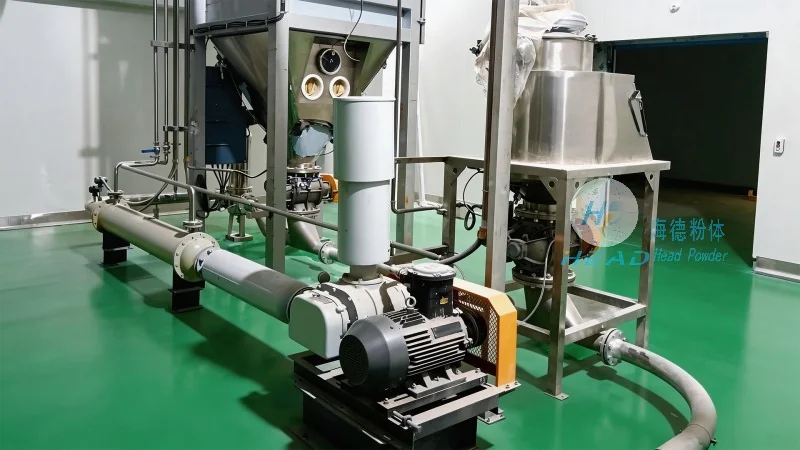
Silage material pneumatic conveying systems operate by creating a flow of air through a pipeline, which carries the silage particles along with it. The design of these systems involves several key components, including a hopper for material storage, a blower or compressor to generate the air pressure, and a pipeline network that transports the material to its destination. The system can be either positive or negative pressure, depending on the specific application and the distance the material needs to be conveyed. Positive pressure systems use the blower to push the material through the pipeline, while negative pressure systems use a vacuum to draw the material in.
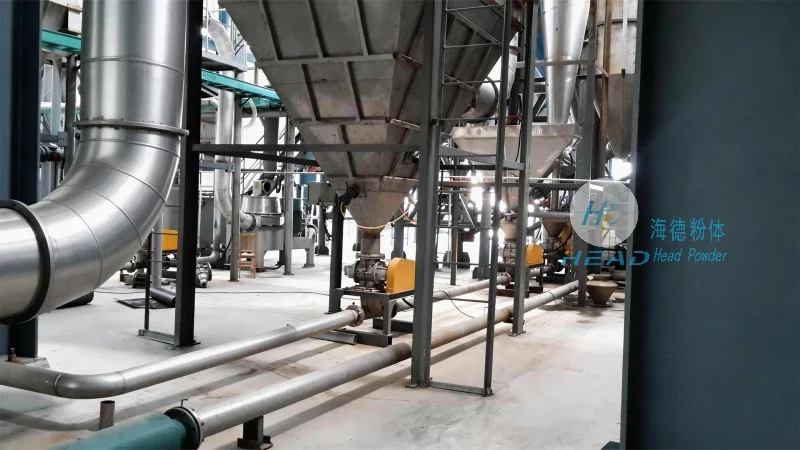
Key Design Principles of Silage Material Conveying Equipment
The design principles of silage material conveying equipment focus on several critical factors to ensure optimal performance. First, the material's characteristics, such as its moisture content, particle size, and density, are considered to determine the appropriate air velocity and pressure required for efficient transport. The pipeline diameter and length are carefully calculated to maintain the desired air flow rate and prevent blockages or excessive pressure drops. Additionally, the system's capacity and throughput are designed to match the production and processing needs of the farm or facility. The use of high-quality materials, such as stainless steel for the pipeline and hopper, ensures resistance to corrosion and wear from the silage, extending the equipment's lifespan.
Application and Benefits of Silage Pneumatic Conveying Systems
Silage material pneumatic conveying equipment offers numerous benefits for agricultural operations. By eliminating the need for manual handling or mechanical conveyors, it reduces labor costs and improves safety in the workplace. The system also minimizes material loss and contamination, as the enclosed pipeline prevents exposure to dust and pests. Furthermore, the flexibility of pneumatic conveying allows for easy integration with existing silage storage and processing systems, enabling seamless operation. The low maintenance requirements of these systems, combined with their long service life, result in significant cost savings over time. HeadPowder's equipment is designed to meet these needs, providing reliable and efficient solutions for silage transportation.
Conclusion
In conclusion, silage material pneumatic conveying equipment is a sophisticated and effective solution for modern agricultural operations. By leveraging the principles of air pressure and fluid dynamics, these systems offer a reliable method to transport silage efficiently and safely. With the expertise of companies like Shandong HeadPowder Engineering Co., Ltd., farmers and agricultural businesses can enhance their silage management processes, improving productivity and reducing operational costs. The design principles and advanced technology behind such equipment ensure that it remains a valuable asset in the agricultural industry, supporting sustainable and efficient farming practices.