

What is an Automatic Weighing and Batching Material Pneumatic Conveying Line? What Are Its Design Pr
For industrial operations that require precise material handling and efficient batching processes, the automatic weighing and batching material pneumatic conveying line stands as a critical solution. This system integrates advanced weighing technology with pneumatic conveying mechanisms to ensure accurate measurement and controlled distribution of bulk materials. As a key component in modern manufacturing and processing industries, such as food, pharmaceuticals, chemicals, and minerals, these lines enhance productivity while maintaining strict quality control standards. The design of these systems is tailored to meet the specific demands of each application, balancing precision, reliability, and operational efficiency.
Key Components and Functionalities of the Pneumatic Conveying System
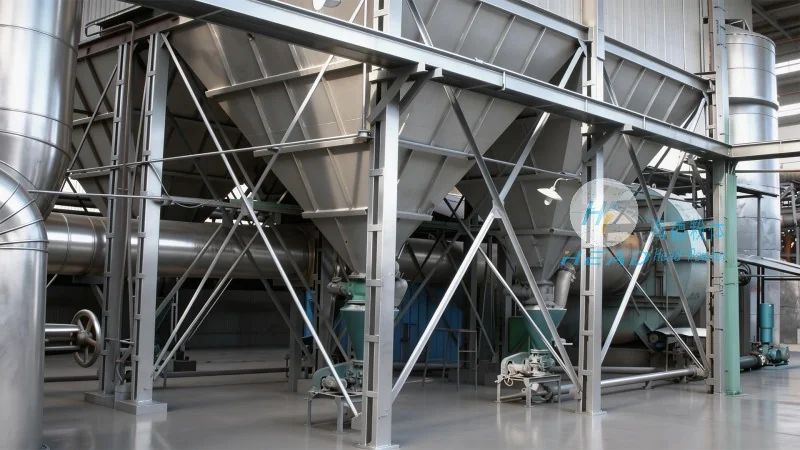
The core of an automatic weighing and batching material pneumatic conveying line consists of several interconnected components that work in harmony to achieve seamless material handling. The system typically includes a hopper or storage silo to hold the bulk material, a feeder or dosing device that regulates the flow rate, a weighing scale or load cell to measure the quantity of material being transferred, and a pneumatic conveyor that transports the material from the storage to the processing or packaging area. The feeder, often a rotary valve or a gravimetric feeder, ensures a consistent and controlled discharge of material into the weighing hopper. The load cell or scale provides real-time weight data, which is then processed by a control system to adjust the feeder speed and maintain the desired batch weight. The pneumatic conveyor, using air pressure to move the material, can be either positive or negative pressure systems, depending on the material's properties and the distance to be conveyed. This integrated approach allows for precise control over the entire batching process, minimizing errors and optimizing material usage.
Design Principles for Optimal Performance
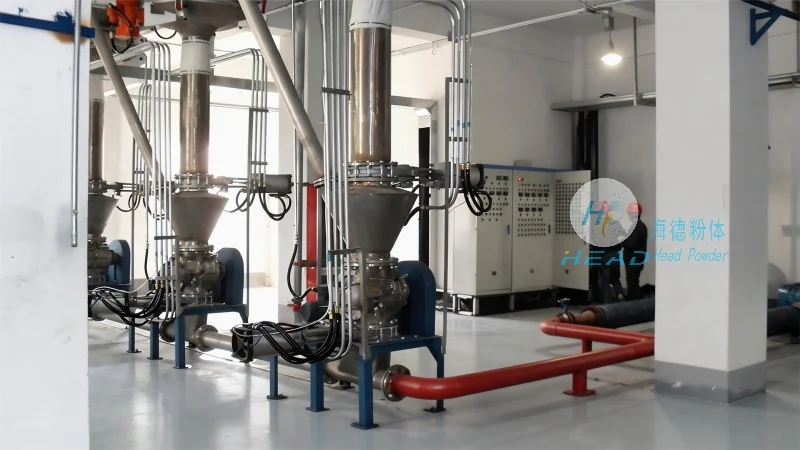
The design principles of an automatic weighing and batching material pneumatic conveying line are centered on achieving high accuracy, reliability, and adaptability to various material types. One of the fundamental principles is the use of closed-loop control systems, where the weighing data is continuously monitored and fed back to adjust the feeder operation. This feedback mechanism ensures that the batch weight remains within the specified tolerance, even with variations in material density or flow characteristics. Another critical design consideration is the material's physical properties, such as particle size, moisture content, and abrasiveness. The system's components, including the hopper design, feeder type, and conveyor pipeline, are selected to minimize material degradation and ensure smooth flow. For example, for abrasive materials, the use of stainless steel or special coatings on the hopper and conveyor components is essential to prevent wear and maintain the system's longevity. Additionally, the system's layout and the positioning of the weighing scale are crucial for minimizing air pressure losses and ensuring uniform material distribution. Proper sealing of the system is also vital to prevent material leakage and maintain the integrity of the batch process.
Applications and Benefits in Industrial Settings
The automatic weighing and batching material pneumatic conveying line finds extensive applications across multiple industries due to its versatility and efficiency. In the food industry, it is used for processing ingredients like flour, sugar, and spices, where precise measurement is essential to maintain product consistency and quality. The pharmaceutical industry relies on these systems for handling active pharmaceutical ingredients (APIs) and excipients, ensuring compliance with stringent regulatory standards. In the chemical industry, the system is used for conveying powders and granules, such as fertilizers, pigments, and catalysts, where accurate batching is critical for product performance and safety. The minerals and mining sector also benefits from these lines for processing ores and concentrates, optimizing the extraction and processing of valuable materials. The primary benefits of implementing such a system include improved product quality through precise measurement, increased operational efficiency by reducing manual intervention, and enhanced safety by minimizing human exposure to hazardous materials. Furthermore, the automated nature of the system reduces labor costs and minimizes the risk of human error, leading to consistent and reliable production outcomes.
Customization and Integration with Existing Systems
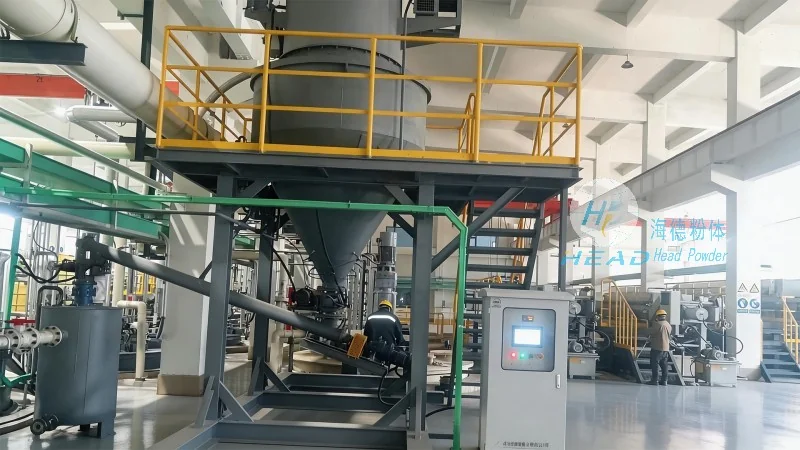
Shandong HeadPowder Engineering Co., Ltd., a leading manufacturer in the field, specializes in designing and manufacturing customized automatic weighing and batching material pneumatic conveying lines to meet the unique requirements of each client. The company's expertise lies in tailoring the system's components and layout to the specific material properties, production capacity, and operational environment. Customization options include the selection of appropriate feeder types (e.g., gravimetric, volumetric), the choice of pneumatic conveyor systems (positive or negative pressure), and the integration of advanced control systems with existing production lines. The engineers at HeadPowder work closely with clients to understand their production goals and challenges, ensuring that the final solution is both efficient and cost-effective. The company's commitment to quality and innovation is reflected in the use of high-quality materials and components, as well as the implementation of rigorous testing and validation procedures before delivery. This approach ensures that the delivered system meets or exceeds industry standards and provides long-term reliability and performance. By partnering with HeadPowder, industries can enhance their material handling capabilities and achieve higher levels of productivity and quality control.