

What is a Cement Material Pneumatic Conveying System? And What Are Its Design Principles?
When it comes to the efficient handling and transportation of cement and other bulk materials, pneumatic conveying systems have become an essential solution in industrial applications. These systems offer a reliable and flexible method for moving materials from one location to another without the need for mechanical components like belts or buckets. Understanding the core components and design principles of cement material pneumatic conveying lines is crucial for optimizing material flow and ensuring operational efficiency.
What is a Cement Material Pneumatic Conveying System?
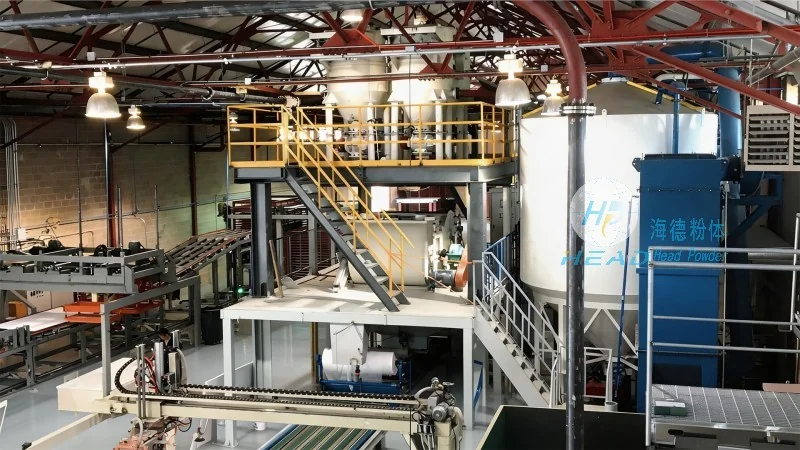
A cement material pneumatic conveying system is a technology that uses compressed air or other gases to transport bulk materials, such as cement, powders, and granules, through a network of pipes. This system operates by creating a pressure differential between the inlet and outlet of the conveying line, which draws the material into the pipe and propels it to the destination. The system typically consists of several key components, including a material feed hopper, a conveying line, a receiver or discharge hopper, and a blower or air compressor. The feed hopper holds the material to be conveyed, while the blower generates the necessary airflow to move the material through the system. The conveying line is designed to withstand the pressure and material flow, and the receiver collects the material at the end of the line.
Key Components of a Cement Material Pneumatic Conveying System
The effectiveness of a cement material pneumatic conveying system depends on the proper integration of several key components. The material feed hopper is designed to hold the bulk material and provide a consistent feed rate to the system. It often includes a feeder mechanism, such as a rotary valve or a screw feeder, to control the flow of material into the conveying line. The conveying line itself is made of durable materials like stainless steel or plastic, which can handle the abrasive nature of cement and other powders. The blower or air compressor is the heart of the system, providing the necessary pressure and airflow to move the material. It can be a positive displacement blower or a centrifugal fan, depending on the system requirements. The receiver or discharge hopper collects the material at the end of the line and may include a discharge valve to control the release of material. Additionally, the system may include filters and cyclones to separate any air from the material and prevent dust from escaping into the environment.
Design Principles for Efficient Cement Material Pneumatic Conveying
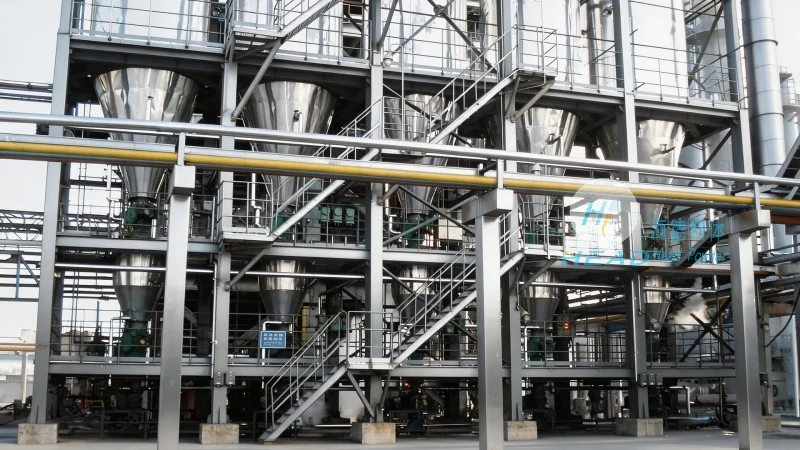
The design of a cement material pneumatic conveying system must consider several factors to ensure optimal performance and reliability. The first principle is the selection of the appropriate conveying method, which can be classified as dilute phase or dense phase. Dilute phase systems use low air-to-material ratios and are suitable for short distances and low material loads. Dense phase systems use higher air-to-material ratios and are better for longer distances and higher material loads. The choice of method depends on the specific application and material characteristics. Another critical design principle is the calculation of the required air velocity and pressure. The air velocity must be high enough to prevent material settling in the pipe but low enough to avoid excessive wear and energy consumption. The pressure drop along the conveying line must be minimized to reduce energy costs and ensure smooth material flow. The system's layout and pipe diameter are also important design considerations. The pipe diameter should be large enough to accommodate the material flow without causing excessive pressure drop, and the layout should minimize bends and turns to reduce friction losses. Additionally, the system must be designed to handle the specific properties of cement, such as its fine particle size and abrasive nature. This may involve using special materials for the conveying line and components, and incorporating features like filters and cyclones to protect the system from wear and dust accumulation.
Applications of Cement Material Pneumatic Conveying Systems
Cement material pneumatic conveying systems are widely used in various industrial applications, particularly in the cement, construction, and chemical industries. They are commonly used for transporting cement from storage silos to production lines, moving raw materials to processing equipment, and conveying finished products to packaging or storage areas. The systems are also used in other industries, such as pharmaceuticals and food processing, where the handling of powders and granules is required. The flexibility of pneumatic conveying systems makes them suitable for a wide range of applications, from small-scale operations to large industrial plants. They can be integrated into existing production lines or used as standalone systems for material transport. The systems are also known for their ability to handle materials that are difficult to transport using other methods, such as dusty or abrasive materials. This makes them an ideal solution for industries where material handling is a critical part of the production process.
Advantages of Using Cement Material Pneumatic Conveying Systems
There are several advantages to using cement material pneumatic conveying systems for material transport. One of the main advantages is the ability to handle a wide range of materials, including fine powders and granules. The systems can transport materials over long distances without the need for intermediate storage or handling, which reduces the risk of material contamination and loss. Another advantage is the flexibility of the system, which allows for easy integration into existing production lines and adaptation to changing production needs. The systems are also known for their low maintenance requirements, as they have fewer moving parts compared to mechanical conveying systems. This reduces downtime and maintenance costs, making them a cost-effective solution for material handling. Additionally, pneumatic conveying systems can be designed to be dust-free, which is important for industries where dust control is a regulatory requirement. The systems can incorporate filters and cyclones to capture dust and prevent it from escaping into the environment, ensuring compliance with environmental regulations. Finally, the systems are energy-efficient, as they use compressed air to move materials, which can be generated from the plant's existing air supply, reducing energy costs.
Challenges and Considerations in Cement Material Pneumatic Conveying
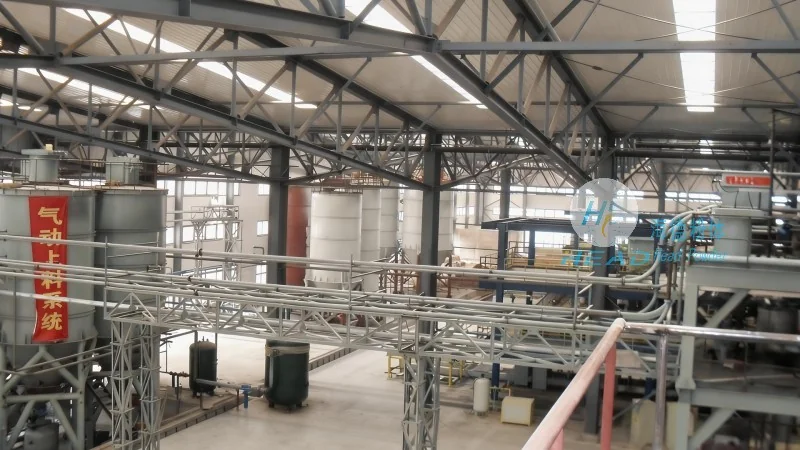
While cement material pneumatic conveying systems offer many advantages, there are also some challenges and considerations to keep in mind. One of the main challenges is the potential for material buildup and blockages in the conveying line, especially with fine powders. This can be mitigated by using proper design and maintenance practices, such as regular cleaning and the use of anti-caking agents. Another challenge is the wear and tear on the system components due to the abrasive nature of cement. This may require the use of special materials and regular maintenance to ensure the system's longevity. Additionally, the system's performance can be affected by changes in material properties, such as moisture content or particle size. This may require adjustments to the system's operation or design to maintain optimal performance. Finally, the initial cost of a pneumatic conveying system can be higher than other material handling methods, such as belt conveyors. However, the long-term benefits, such as reduced maintenance costs and increased efficiency, often outweigh the initial investment.
Conclusion
In conclusion, cement material pneumatic conveying systems are an essential technology for the efficient handling and transportation of bulk materials in industrial applications. These systems offer a reliable and flexible method for moving materials from one location to another without the need for mechanical components. The design of a successful system depends on several factors, including the choice of conveying method, the calculation of air velocity and pressure, and the proper integration of key components. The systems are widely used in various industries and offer several advantages, including the ability to handle a wide range of materials, low maintenance requirements, and energy efficiency. However, there are also some challenges and considerations to keep in mind, such as material buildup and wear on components. By understanding the design principles and considerations of cement material pneumatic conveying systems, industrial facilities can optimize their material handling processes and improve overall operational efficiency.