

What is a Catalyst Material Pneumatic Conveying Machine? What are its Design Principles?
For industrial processes that involve the handling of catalyst materials, efficient and reliable material transport is crucial. A catalyst material pneumatic conveying machine is a specialized piece of equipment designed to move these materials through a system using air or other gas as the conveying medium. This article will explore what such a machine is and delve into its fundamental design principles.
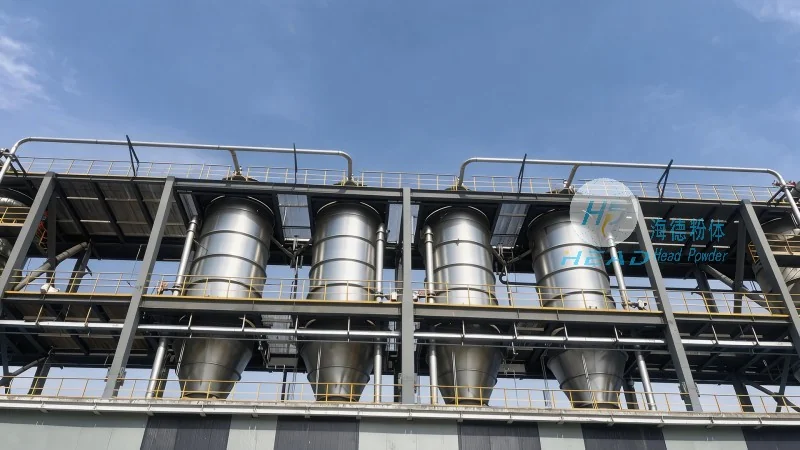
Understanding the Catalyst Material Pneumatic Conveying Machine
A catalyst material pneumatic conveying machine is a system that utilizes the force of a moving gas stream to transport solid particles, in this case, catalyst materials. These machines are commonly used in chemical and petrochemical industries where catalysts are essential for various reactions. The primary goal of this equipment is to ensure the safe, efficient, and controlled movement of catalysts from one processing stage to another, such as from storage to reactors or between different processing units.
Key Components of the Pneumatic Conveying System
The operation of a catalyst material pneumatic conveying machine relies on several key components working in tandem. These components include a material hopper or feeder, a conveying line (often with multiple sections), a blower or compressor to generate the air flow, and a receiver or destination vessel. The material hopper is designed to hold the catalyst material and feed it into the conveying line at a controlled rate. The blower or compressor provides the necessary pressure or vacuum to move the material through the system. The conveying line may include various fittings, such as elbows, tees, and filters, to direct the flow and prevent blockages. Finally, the receiver collects the material at the end of the conveying line.
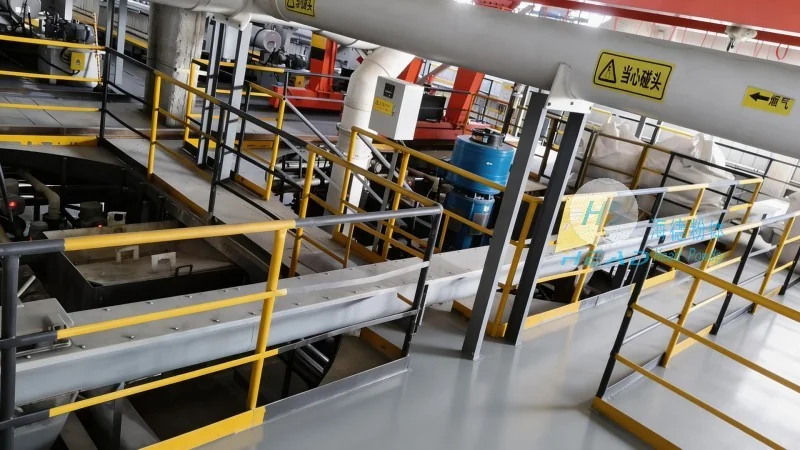
Design Principles for Efficient Material Transport
The design of a catalyst material pneumatic conveying machine is based on several critical principles to ensure optimal performance. One of the most important principles is maintaining a consistent air flow rate and pressure. This ensures that the catalyst particles are carried along the conveying line without settling or causing blockages. The particle size, density, and shape of the catalyst material also play a significant role in the design. For example, smaller and lighter particles may require lower air velocities to prevent segregation or loss, while larger or denser particles may need higher velocities to maintain transport. The system's design must also consider the material's moisture content and potential for dust generation, as these factors can affect the air flow and require additional filtration or drying steps.
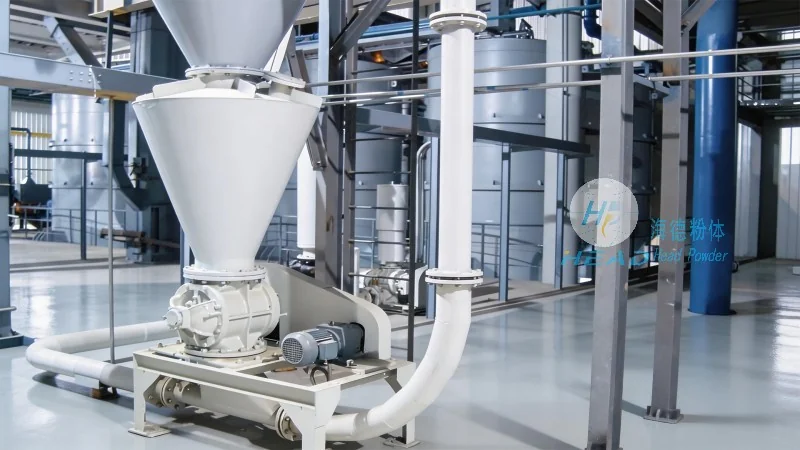
Advantages of Using Pneumatic Conveying for Catalysts
Employing a pneumatic conveying machine for catalyst materials offers several advantages over traditional methods like belt conveyors or manual handling. One key benefit is the ability to handle materials in a closed system, which minimizes dust exposure and improves safety for operators. This is particularly important for catalysts, which may be hazardous or have specific handling requirements. Additionally, pneumatic conveying allows for precise control over the material flow rate, ensuring that the correct amount of catalyst is delivered to the processing unit. This accuracy is vital for maintaining reaction efficiency and preventing overloading or underloading of reactors. The system also reduces the risk of material contamination, as the closed environment prevents external particles from entering the catalyst stream.
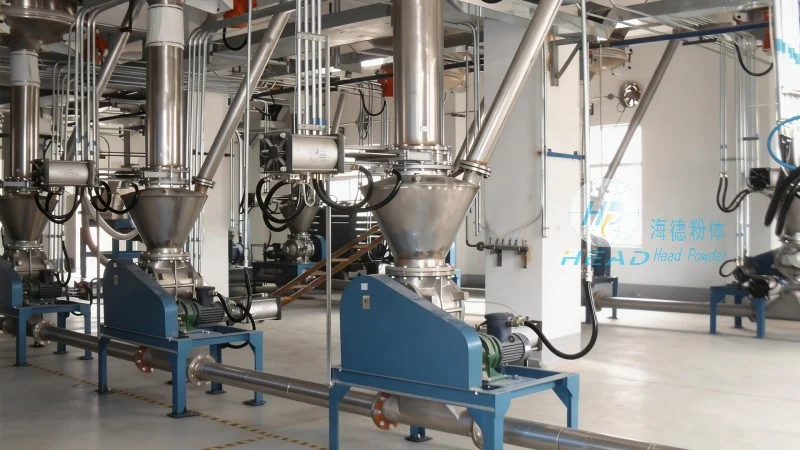
Considerations for Installation and Maintenance
When implementing a catalyst material pneumatic conveying machine, several considerations are essential for long-term performance and reliability. Proper installation is critical, as the system must be aligned correctly to avoid air leaks or blockages. The equipment should be placed in a location that allows for easy access for maintenance and cleaning. Regular maintenance is also crucial to ensure the system operates efficiently. This includes checking the blower or compressor for proper operation, inspecting the conveying line for wear or damage, and cleaning or replacing filters as needed. Additionally, the system should be designed with components that are compatible with the catalyst material, such as corrosion-resistant materials for parts that come into contact with the material.
About Shandong HeadPowder Engineering Co., Ltd.
Shandong HeadPowder Engineering Co., Ltd., a company based in China, specializes in the design and manufacturing of advanced material handling equipment, including pneumatic conveying systems for various industrial applications. With a focus on innovation and quality, HeadPowder provides tailored solutions to meet the specific needs of their clients in the chemical and petrochemical industries. The company's expertise in catalyst material handling ensures that their equipment is optimized for the unique challenges of transporting these critical materials. By leveraging their experience and technical knowledge, HeadPowder helps industries improve efficiency, reduce costs, and enhance safety in their material handling processes.