

Working Principle and Characteristics of Clay Pneumatic Conveying Systems
Clay pneumatic conveying systems represent a sophisticated method for transporting clay materials through a pipeline using air as the primary conveying medium. This technology is widely adopted in various industrial sectors due to its efficiency and adaptability. The following sections will explore the fundamental working principle and key characteristics of such systems, providing a comprehensive understanding for professionals and potential users.
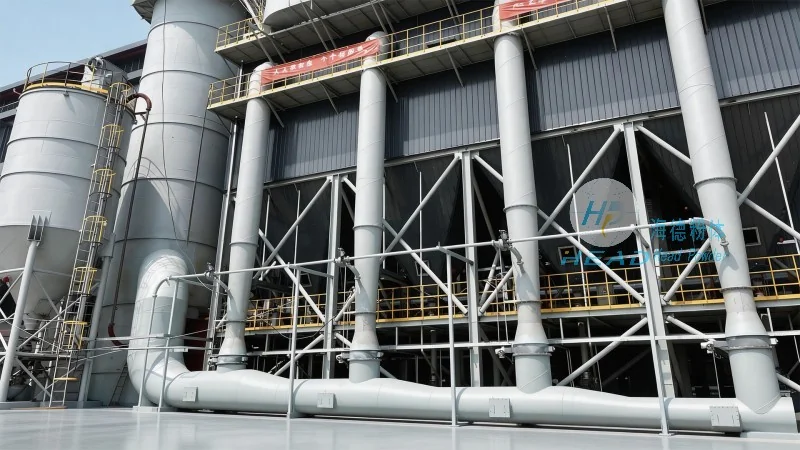
Working Principle of the Clay Pneumatic Conveying System
The core mechanism of a clay pneumatic conveying system involves the use of compressed air to move clay particles through a sealed pipeline. The process typically begins with the clay material being introduced into a hopper or feeder, where it is then drawn into the conveying line by the pressure differential created by the air flow. As the air and clay mixture travels through the pipeline, the air velocity is maintained at a level sufficient to keep the clay particles suspended, preventing blockages and ensuring smooth transport. The system may employ different conveying modes, such as dilute phase or dense phase, depending on the material characteristics and required transport distance. In dilute phase conveying, the air-to-material ratio is higher, allowing for faster and more economical transport over longer distances. Conversely, dense phase conveying uses a lower air-to-material ratio, which is suitable for handling abrasive or sensitive materials, minimizing wear on the system components and reducing the risk of material degradation.
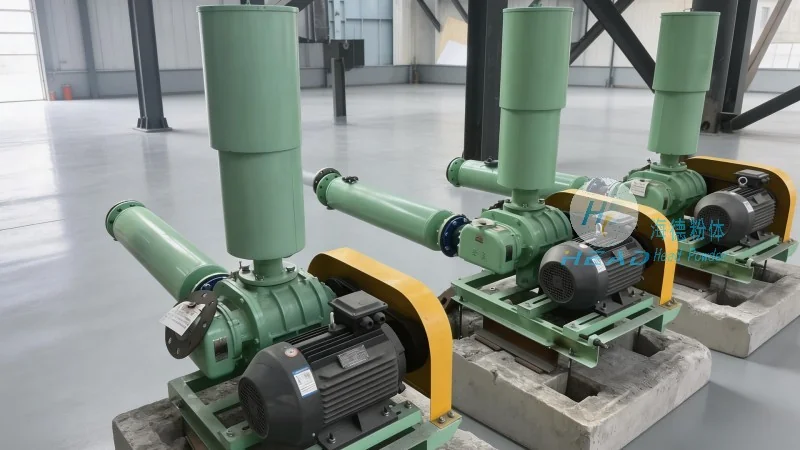
Key Characteristics and Advantages of the System
Clay pneumatic conveying systems exhibit several distinct characteristics that make them advantageous in industrial applications. One of the primary advantages is the ability to transport materials in a dust-free environment, which enhances workplace safety and reduces the risk of contamination. Unlike traditional mechanical conveying methods, such as belt or screw conveyors, pneumatic systems do not require physical contact with the material, thus minimizing wear and tear on the equipment. This results in lower maintenance costs and longer service life for the system components. Additionally, the system offers flexibility in terms of layout and integration, as the pipeline can be easily routed around obstacles or adapted to different facility configurations. The use of compressed air also allows for precise control over the flow rate and pressure, enabling consistent and reliable material delivery to downstream processes. Furthermore, the system is capable of handling a wide range of clay types, from fine powders to larger granules, making it versatile for various production requirements. The environmental benefits of pneumatic conveying are also notable, as it eliminates the need for open-air handling, reducing dust emissions and improving overall air quality in industrial settings.
Technical Specifications and Operational Efficiency
The technical design of a clay pneumatic conveying system involves several critical components that contribute to its efficiency and performance. The system typically includes a blower or compressor to generate the necessary air pressure, a hopper or feeder to store and meter the clay material, a pipeline network for transport, and a receiver or discharge unit for material collection. The choice of blower type, such as centrifugal or positive displacement, depends on the specific application requirements, including the required air volume and pressure. The pipeline material, often stainless steel or special alloys, is selected to withstand the abrasive nature of clay particles and resist corrosion. The system may also incorporate features like in-line filters or cyclones to separate air from the material at the discharge point, ensuring clean air release and preventing material loss. Operational efficiency is enhanced through the use of advanced control systems that monitor and adjust air pressure, flow rate, and material feed rate in real-time. This allows for optimal performance under varying load conditions and minimizes energy consumption. The system's ability to handle high volumes of clay material at a consistent rate makes it suitable for continuous production processes, improving overall productivity and reducing downtime.
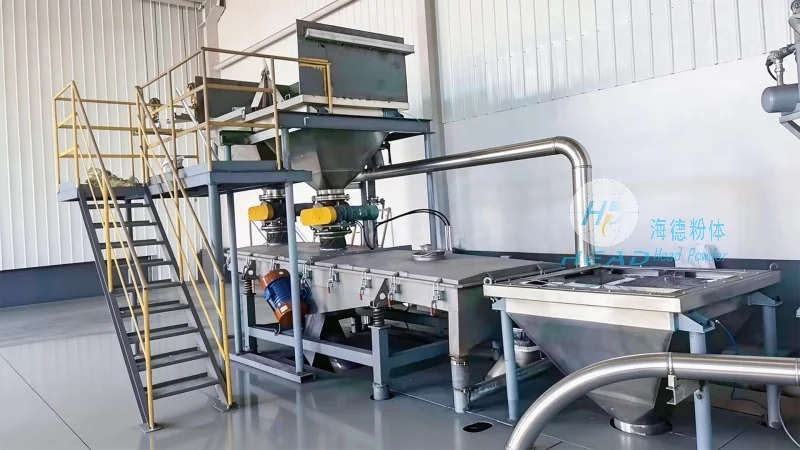
Application Considerations and Industry Standards
When implementing a clay pneumatic conveying system, several factors must be considered to ensure optimal performance and compliance with industry standards. The material characteristics, such as particle size, moisture content, and abrasiveness, play a crucial role in determining the appropriate conveying mode and system design. For example, fine clay powders may require dilute phase conveying to maintain suspension, while larger granules may benefit from dense phase conveying to reduce wear. The distance and layout of the transport route also influence the system's design, as longer distances may necessitate additional blower stages or larger pipeline diameters to maintain sufficient air velocity. Additionally, the system must adhere to safety regulations and environmental standards, particularly regarding dust control and air quality. Regular maintenance and inspection are essential to ensure the system operates within safe and efficient parameters. This includes checking for wear on components, verifying air pressure and flow rates, and cleaning the pipeline and filters as needed. By adhering to these considerations and industry best practices, users can maximize the lifespan and performance of their clay pneumatic conveying systems, achieving reliable and cost-effective material transport in their operations.