

Working Principle and Features of Sugar Pneumatic Conveying Equipment
HeadPowder, a leading manufacturer based in Shandong, China, specializes in providing advanced pneumatic conveying solutions tailored for the sugar industry. This article explores the working principle and key features of sugar pneumatic conveying equipment, highlighting how these systems enhance operational efficiency and product quality in sugar processing facilities.
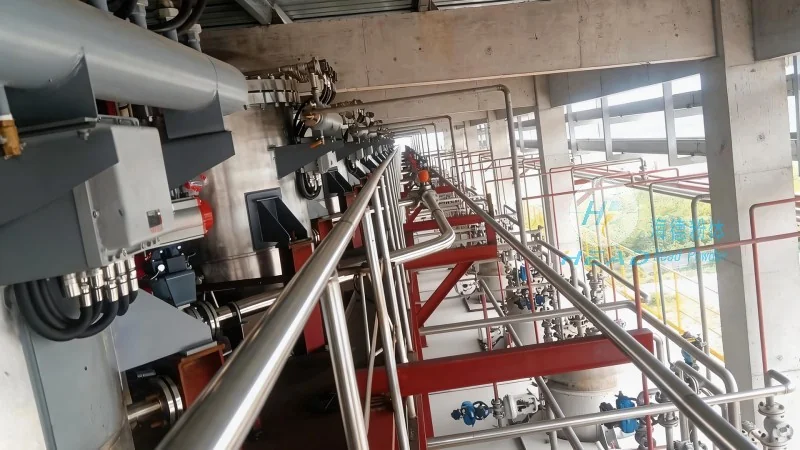
Understanding the Working Principle of Sugar Pneumatic Conveying Equipment
Sugar pneumatic conveying equipment operates by using air to transport granular or powdered materials, such as raw sugar, refined sugar, or sugar byproducts, through a pipeline system. The core mechanism involves creating a pressure differential to move the material from the source to the destination. There are two primary types of pneumatic conveying systems: suction (or negative pressure) and pressure (or positive pressure) systems, each with distinct operational characteristics suitable for different applications in sugar processing.
In the suction system, a vacuum is created at the material inlet to draw the sugar into the pipeline. This method is ideal for applications requiring gentle handling of delicate sugar particles, minimizing breakage and maintaining product integrity. The system typically includes a rotary valve at the inlet to control the flow rate and a filter to remove any fine particles from the air stream. The vacuum pump or fan generates the necessary negative pressure to pull the material through the pipeline, ensuring a continuous and controlled flow.
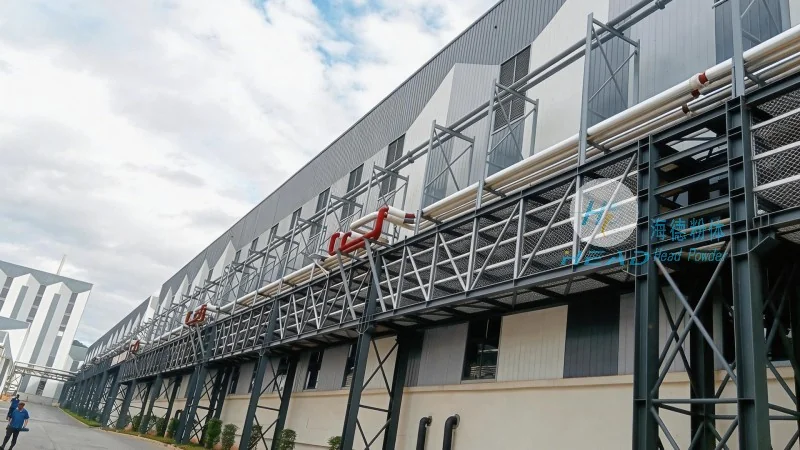
Conversely, the pressure system operates by forcing air under pressure into the material container, pushing the sugar through the pipeline. This approach is often preferred for long-distance or high-capacity conveying, as it can handle larger volumes and maintain higher pressure levels. The pressure system may incorporate a blower or compressor to generate the required positive pressure, with a check valve or other control devices to regulate the flow and prevent backflow.
Key Features of Sugar Pneumatic Conveying Equipment
HeadPowder's sugar pneumatic conveying equipment is designed with several key features that address the unique challenges of sugar processing. These features enhance performance, reliability, and user experience in industrial settings.
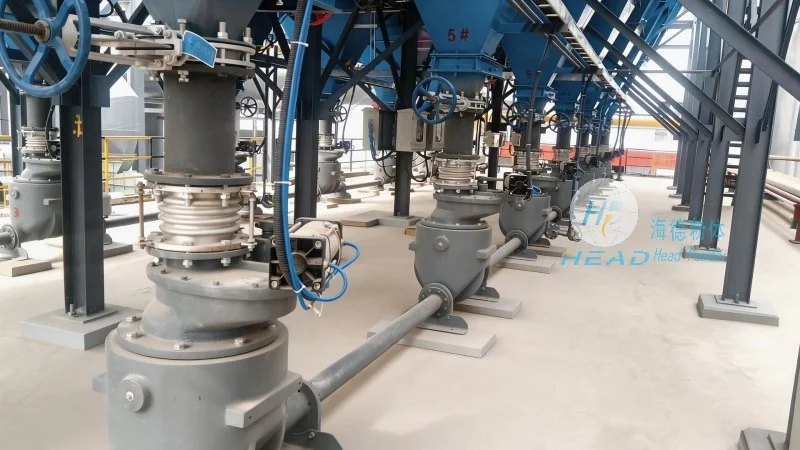
Firstly, the equipment is constructed from corrosion-resistant materials, such as stainless steel or special alloys, to withstand the acidic and humid conditions commonly found in sugar processing environments. This ensures long-term durability and minimal maintenance requirements, reducing downtime and operational costs.
Secondly, the system incorporates advanced control technology, including variable frequency drives (VFDs) and intelligent sensors, to optimize air flow and pressure. These controls allow for precise adjustment of conveying parameters, adapting to varying material loads and ensuring consistent performance. The integration of real-time monitoring also enables operators to detect and address issues promptly, improving overall system reliability.
Thirdly, the design emphasizes gentle material handling to preserve the quality of sugar products. The use of flexible hoses, low-velocity air flow, and specialized hopper designs minimizes particle attrition and breakage, maintaining the physical and chemical properties of the sugar. This is particularly critical for high-value refined sugars, where product integrity directly impacts market value.
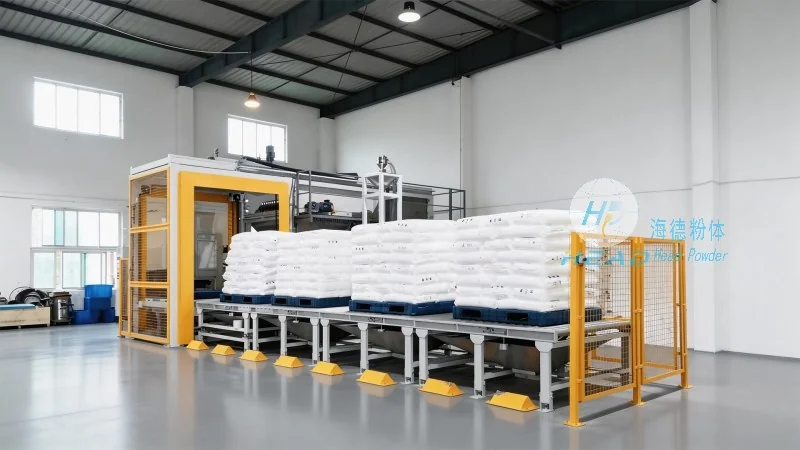
Additionally, the equipment is equipped with efficient filtration systems to maintain air quality and comply with hygiene standards. The filters capture fine sugar particles and other contaminants, preventing them from entering the processing lines or the environment. This not only improves product purity but also reduces the risk of equipment clogging and operational disruptions.
Conclusion
HeadPowder Engineering Co., Ltd., based in Shandong, China, offers cutting-edge sugar pneumatic conveying equipment that combines advanced technology with robust design to meet the demands of modern sugar processing. By understanding the working principles and leveraging the key features of these systems, sugar manufacturers can achieve improved efficiency, reduced operational costs, and enhanced product quality. The company's commitment to quality and innovation ensures that its solutions remain at the forefront of the industry, supporting the sustainable growth of sugar production worldwide.