

Working Principle and Features of Glass Slag Pneumatic Conveying Equipment
Glass slag, a byproduct of glass manufacturing processes, requires efficient and reliable handling systems to ensure proper disposal or recycling. Pneumatic conveying equipment has emerged as a crucial technology in managing glass slag, offering a solution that combines efficiency with environmental considerations. This article explores the working principle and key features of glass slag pneumatic conveying equipment, highlighting how it addresses the unique challenges associated with glass slag transport.
The Working Principle of Glass Slag Pneumatic Conveying Equipment
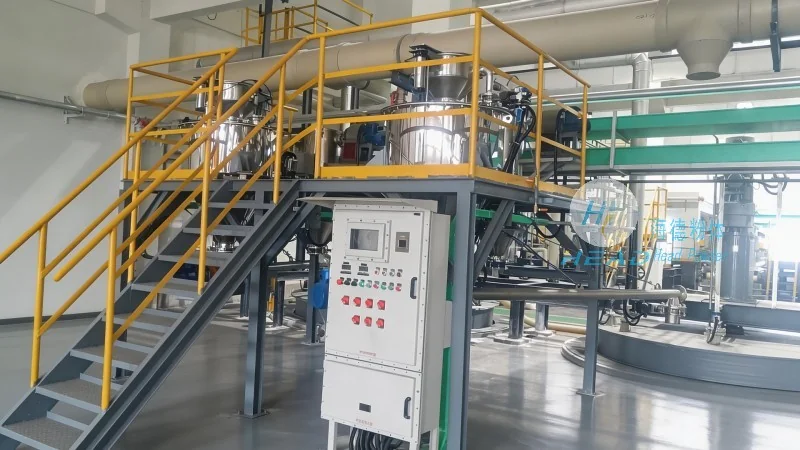
Pneumatic conveying systems operate by using air to transport solid materials, such as glass slag particles, through a pipeline. The core principle involves creating a flow of air that moves the material from the source to the destination. There are two primary types of pneumatic conveying: positive pressure and negative pressure systems. Positive pressure systems use a blower to generate compressed air that pushes the material through the pipeline, while negative pressure systems employ a vacuum to draw the material into the system. For glass slag, which often contains abrasive particles, the choice of system depends on factors like the distance of transport, the volume of material, and the need for dust control.
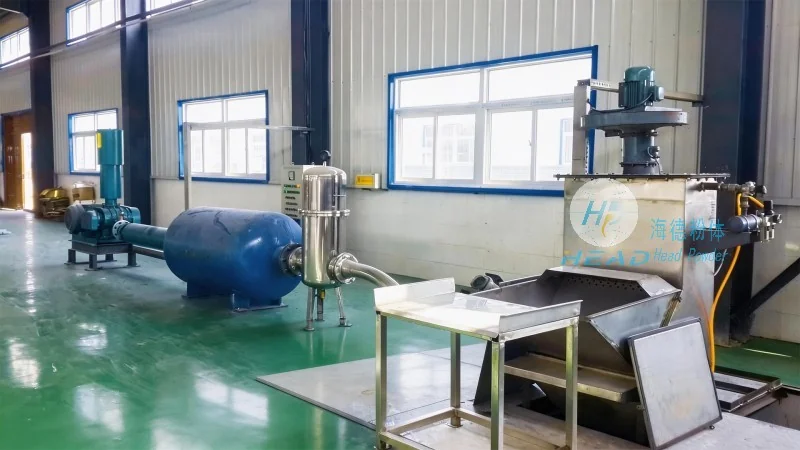
The equipment typically consists of several components, including a feeding device, a conveying pipeline, a separation unit, and a discharge mechanism. The feeding device, such as a rotary valve or a screw feeder, ensures a consistent and controlled supply of glass slag into the system. The conveying pipeline is usually made of materials resistant to abrasion and corrosion, such as stainless steel or special alloys, to withstand the harsh nature of glass slag. The separation unit, often a cyclone or a bag filter, separates the air from the glass slag particles, allowing the clean air to be recirculated or released, while the glass slag is collected for further processing or disposal.

Key Features of Glass Slag Pneumatic Conveying Equipment
Efficiency and reliability are paramount in glass slag handling, and pneumatic conveying equipment offers several advantages that make it an ideal choice. One of the most significant features is its ability to transport glass slag over long distances with minimal loss of material. Unlike traditional methods like belt conveyors or trucks, pneumatic systems can handle vertical and horizontal transport without the need for multiple transfer points, reducing the risk of spillage and contamination. Additionally, the enclosed pipeline design helps in controlling dust emissions, which is critical for maintaining air quality and compliance with environmental regulations.
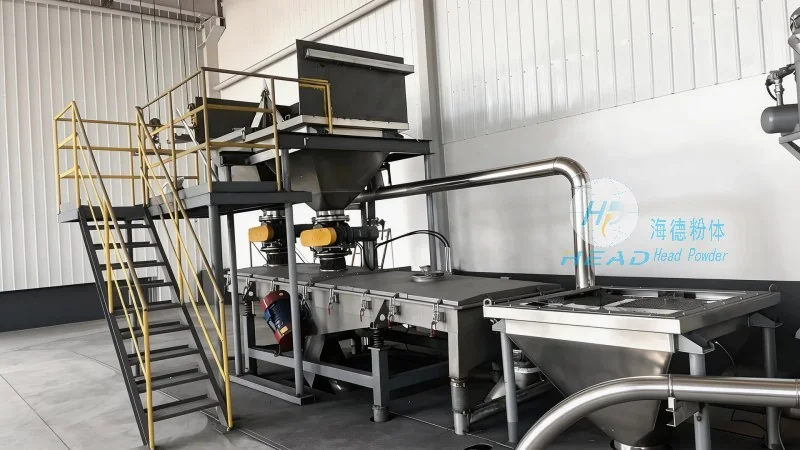
Another key feature is the adaptability of pneumatic conveying systems to varying glass slag characteristics. Whether the material is fine or coarse, wet or dry, the system can be adjusted to optimize performance. This flexibility allows for the integration of glass slag handling into existing production lines without major modifications. Furthermore, the low maintenance requirements of modern pneumatic equipment contribute to cost savings and operational efficiency. The use of durable materials and advanced sealing technologies minimizes wear and tear, reducing downtime and maintenance costs.
Application and Benefits in Glass Industry
In the glass manufacturing industry, glass slag is often generated in large quantities and needs to be transported to recycling facilities or disposal sites. Pneumatic conveying equipment provides a seamless solution for this process, ensuring that glass slag is moved safely and efficiently. The benefits extend beyond mere transport; the system also helps in reducing the environmental impact of glass production by facilitating the recycling of glass slag. By converting a waste material into a resource, the glass industry can enhance its sustainability efforts and reduce its carbon footprint.
Shandong HeadPowder Engineering Co., Ltd., a leading manufacturer of pneumatic conveying equipment, specializes in providing customized solutions for glass slag handling. With headquarters in Shandong, China, the company leverages years of experience and advanced technology to design and manufacture equipment that meets the specific needs of glass manufacturers. Their expertise in material handling and process optimization ensures that clients receive systems that are not only efficient but also durable and cost-effective. By partnering with HeadPowder, glass manufacturers can enhance their operational efficiency, improve environmental performance, and achieve long-term sustainability in their glass production processes.