Barite, a mineral primarily composed of barium sulfate (BaSO₄), serves critical roles in industries such as oil drilling, medical imaging, and chemical processing as a weighting agent. The efficient and reliable transportation of barite powder is essential for maintaining production efficiency and ensuring product quality. This article examines the working principles and key characteristics of barite powder conveying systems, with insights from Shandong HeadPowder Engineering Co., Ltd., a leading provider in the field.
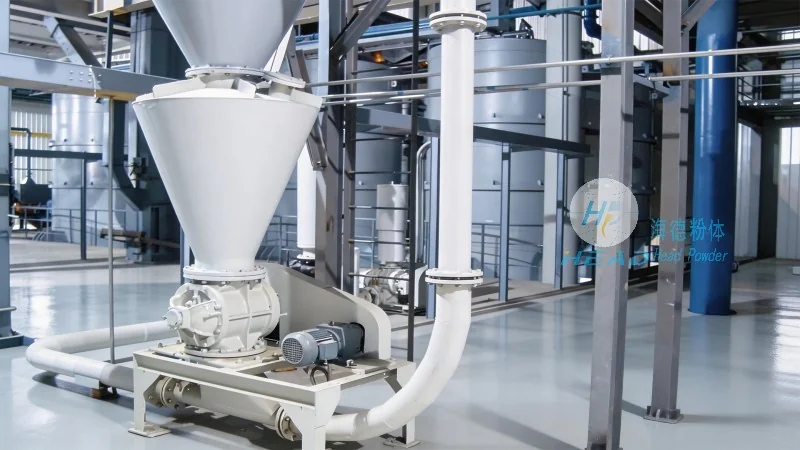
Barite powder conveying systems operate through various mechanisms, adapted to specific application requirements:
1. Air-Pressure (Pneumatic) Conveying: This method uses compressed air to suspend and transport barite powder through pipelines. It excels in long-distance, high-volume transport with advantages like low maintenance and the ability to handle fine powders without clogging. The system includes a hopper, venturi or rotary valve, and a receiver, with air pressure controlling flow rate and direction.
2. Mechanical Conveying: For shorter distances or air-sensitive environments, mechanical systems like screw, belt, or bucket elevators are used. Screw conveyors, for example, utilize a rotating screw to push material horizontally or at slight inclines, while belt conveyors employ moving belts for bulk handling. These systems are preferred in settings where air quality is a concern or material is moisture-sensitive.
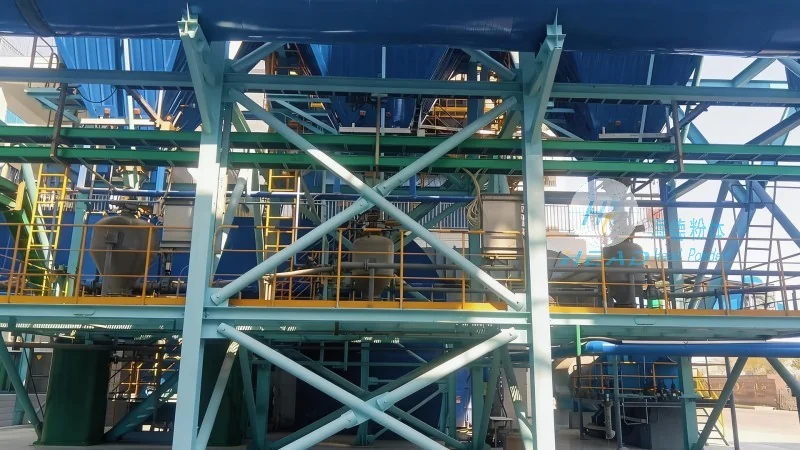
3. Hybrid Systems: Some applications combine pneumatic and mechanical methods. For instance, a pneumatic system may transport powder from a silo to a mechanical conveyor, leveraging the strengths of both technologies for optimal performance.
Modern barite powder conveying systems are designed with efficiency, safety, and durability in mind:
1. Efficiency and Capacity: Engineered to handle high volumes with minimal energy use, systems maximize throughput while maintaining consistent flow rates. This ensures continuous operation without interruptions.
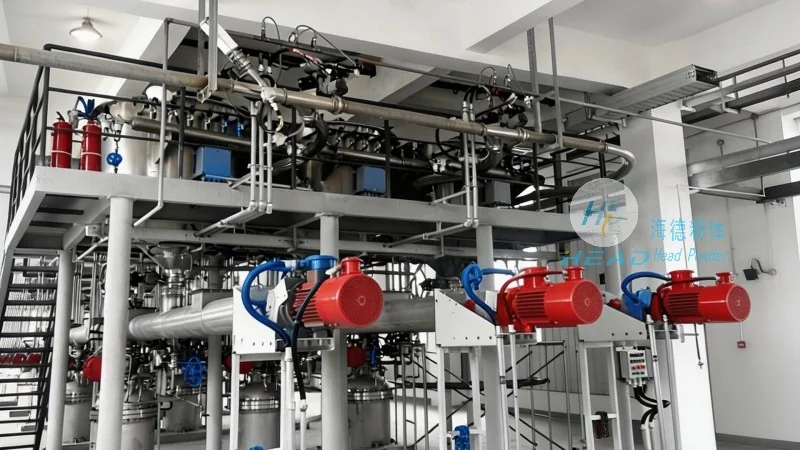
2. Environmental Protection: To address dust generation, systems feature sealed hoppers and enclosed pipelines, reducing air contamination and complying with regulations. Some incorporate air filtration and recycling for sustainability.
3. Material Handling and Protection: Constructed from corrosion-resistant materials like stainless steel or specialized coatings, systems prevent degradation and maintain powder purity. Design minimizes particle attrition, preserving product quality.
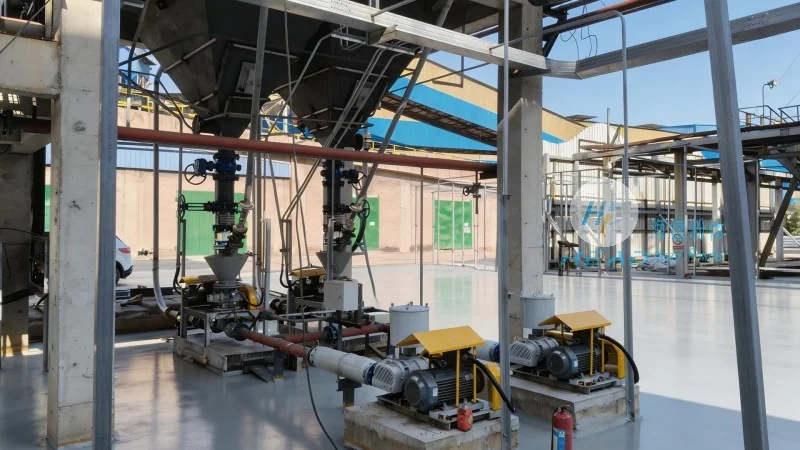
4. Control and Automation: Advanced control panels and automation software enable real-time monitoring of flow rates, pressure, and temperature. Sensors detect abnormalities, enhancing safety and reducing manual intervention.
Shandong HeadPowder Engineering Co., Ltd., branded as HeadPowder, specializes in designing, manufacturing, and installing barite powder conveying systems. Focused on innovation and customer satisfaction, the company develops state-of-the-art solutions tailored to industry needs. HeadPowder’s expertise lies in understanding barite’s properties and selecting optimal conveying technologies. Its products are recognized for durability, efficiency, and compliance with international standards, serving as a trusted choice for reliable powder handling.
In summary, barite powder conveying systems rely on pneumatic, mechanical, or hybrid technologies to transport the mineral efficiently and safely. Key characteristics—high capacity, environmental protection, material handling, and automation—are critical for modern industrial applications. Shandong HeadPowder Engineering Co., Ltd. plays a vital role by providing advanced, customized solutions that enhance operational efficiency and product quality. As barite demand grows, reliable conveying systems will remain essential, making HeadPowder’s expertise indispensable for industry success.

 Shandong Headpowder Engineering Co., Ltd.
 156-6277-7102(Manager Zhang)
  0531-83386006
  Jinan City, Shandong Province, China
telephone
WeChatconsult
top