Multi-point feeding powder conveying systems are sophisticated industrial solutions designed to handle the efficient and reliable transport of bulk powders from multiple sources to a central processing unit or storage location. These systems are integral to various industries, including pharmaceuticals, food processing, chemical manufacturing, and more, where precise control over material flow is critical. The core function of such systems is to integrate multiple feeding points, each potentially handling different types of powders or varying feed rates, and consolidate them into a single, uniform stream for downstream processing. This integration requires advanced engineering to ensure consistent material properties, minimize segregation, and maintain operational safety. Developed by Shandong HeadPowder Engineering Co., Ltd. (headpowder), these systems exemplify the latest advancements in bulk material handling technology, combining precision, efficiency, and reliability to meet the demands of modern industrial production.
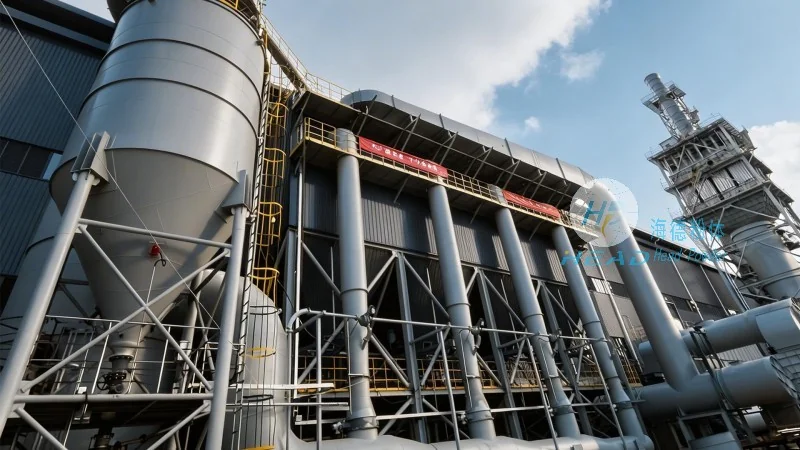
The working principle of a multi-point feeding powder conveying system typically involves several key components and processes. At its foundation, the system relies on a combination of feeding mechanisms, such as rotary valves, screw feeders, or pneumatic feeders, each connected to a distinct powder source. These feeding devices regulate the flow rate of individual powders, ensuring that the total feed rate matches the system's capacity. The system then uses a central conveying line, often equipped with a positive displacement pump or a pressure-driven pipeline, to transport the combined powders. The conveying line may incorporate features like agitators or mixers to prevent material settling or segregation during transport. The control system, which is a critical component, monitors and adjusts the feed rates from each source in real-time, responding to changes in demand or material properties. This closed-loop control ensures that the final output maintains the desired composition and flow characteristics. The entire process is designed to be seamless, with minimal downtime and high throughput, making it suitable for continuous production environments. The integration of sensors and feedback loops further enhances the system's responsiveness, allowing for dynamic adjustments to maintain optimal performance under varying conditions.
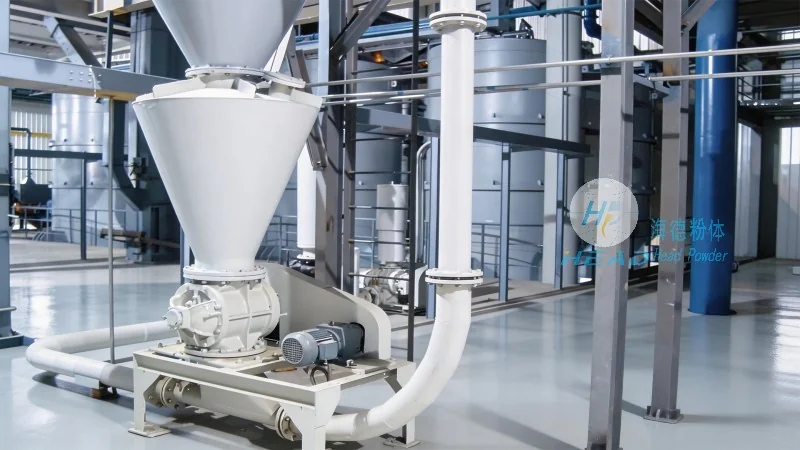
Multi-point feeding powder conveying systems offer several distinct features and advantages that make them a preferred choice in industrial applications. One of the primary features is the ability to handle multiple powder types simultaneously, which is essential in processes where different ingredients are combined before further processing. This capability reduces the need for separate handling equipment and streamlines the production workflow. Another key feature is the system's flexibility in adjusting feed rates. The control system allows for precise modulation of each feeder's output, enabling the system to adapt to varying production demands or changes in material characteristics. This adaptability is crucial for maintaining product quality and consistency. Additionally, the system is designed with safety in mind, incorporating features like dust extraction, explosion-proof components, and overpressure protection to ensure safe operation in environments where powders may be hazardous. The integration of multiple feeding points also enhances the system's reliability, as a single feeder failure does not necessarily halt the entire operation, though it may affect the total feed rate. From an operational perspective, the system offers high efficiency and low maintenance requirements, with components engineered for durability and ease of cleaning. These features collectively contribute to improved productivity, reduced downtime, and lower operational costs for manufacturers. The system's ability to handle abrasive or corrosive materials, with appropriate material of construction, further expands its applicability across diverse industrial sectors.

Multi-point feeding powder conveying systems find applications in a wide range of industries where bulk powder handling is essential. In the pharmaceutical industry, for example, these systems are used to combine active pharmaceutical ingredients (APIs) with excipients, ensuring uniform mixing and consistent dosage forms. The precision and control offered by the system help maintain the quality and efficacy of the final product, which is critical in regulated environments. In the food processing sector, the system is employed to blend various food powders, such as cocoa, sugar, or flavorings, into a homogeneous mixture for baking or confectionery products. The ability to handle different food-grade powders without cross-contamination is a significant advantage, as it ensures product safety and compliance with food standards. Similarly, in chemical manufacturing, the system is used to transport and combine various chemical powders, facilitating reactions and downstream processing. The system's ability to handle abrasive or corrosive materials, with appropriate material of construction, makes it suitable for these applications. The impact of these systems on industry operations is substantial, as they enable manufacturers to achieve higher production rates, improve product quality, and enhance overall process efficiency. By integrating multiple feeding points, the system reduces the complexity of material handling, leading to streamlined workflows and reduced labor costs. Furthermore, the advanced control systems contribute to better process monitoring and data management, supporting continuous improvement initiatives within the organization. This leads to long-term cost savings and increased competitiveness in the market.

 Shandong Headpowder Engineering Co., Ltd.
 156-6277-7102(Manager Zhang)
  0531-83386006
  Jinan City, Shandong Province, China
telephone
WeChatconsult
top