

Working Principle and Characteristics of Nickel Sulfate Material Transport
When it comes to the efficient and safe handling of nickel sulfate, understanding the working principle and characteristics of the material transport system is crucial. This article provides an in-depth look at how nickel sulfate material handling operates and what makes it effective for industrial applications.
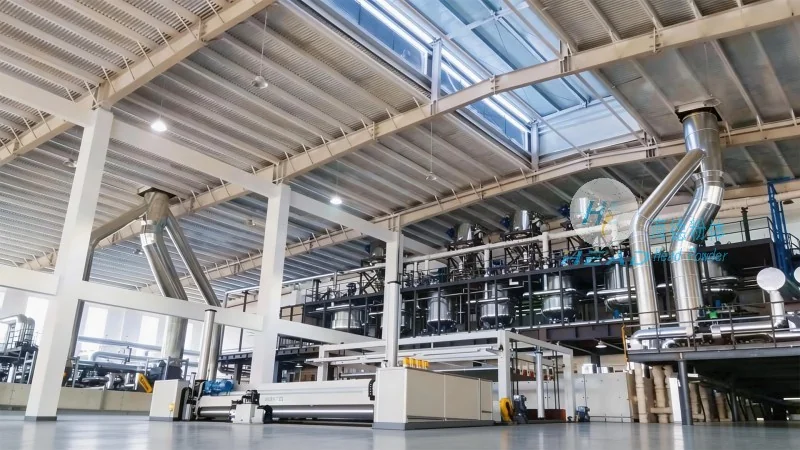
Working Principle of Nickel Sulfate Material Transport
The working principle of nickel sulfate material transport typically involves a combination of equipment designed to move the material from one location to another. At the core of the system are components such as conveyors, pumps, and storage tanks. For example, a belt conveyor may be used to transport bulk nickel sulfate from a storage silo to a processing unit. Meanwhile, a centrifugal pump can be employed to transfer the liquid form of nickel sulfate to different parts of the production line. The system is often controlled by a programmable logic controller (PLC), which coordinates the operation of each component to ensure smooth and continuous material flow. This integrated approach minimizes downtime and maximizes productivity in the handling of nickel sulfate.
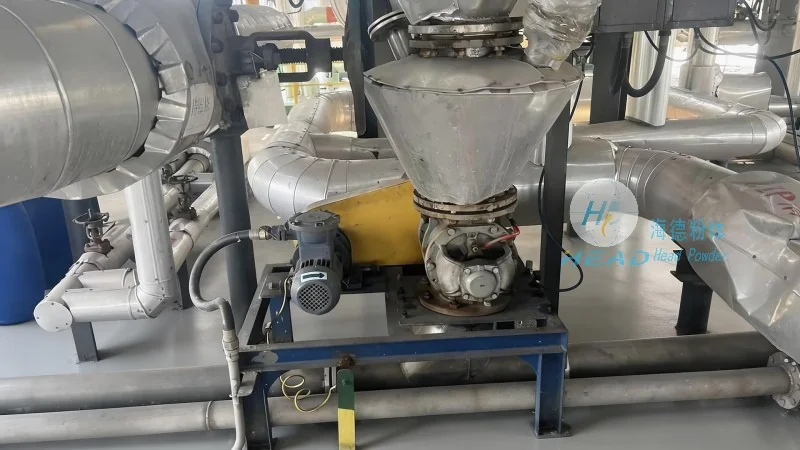
Key Characteristics of Nickel Sulfate Material Transport
Several key characteristics define the effectiveness of nickel sulfate material transport systems. First, the system is designed for high efficiency, with components optimized to handle large volumes of material quickly. This is particularly important in industrial settings where production rates are high and time is critical. Second, the system emphasizes safety, incorporating features such as overload protection, temperature monitoring, and leak detection to prevent accidents and ensure compliance with safety regulations. Third, the material transport system is highly adaptable, allowing for adjustments to accommodate different forms of nickel sulfate—whether it is a solid powder or a liquid solution. This flexibility is essential for meeting the diverse needs of various industrial processes. Additionally, the system is built for durability, using materials that can withstand the corrosive nature of nickel sulfate and the demanding conditions of industrial environments. This ensures long-term reliability and reduces maintenance costs over time.
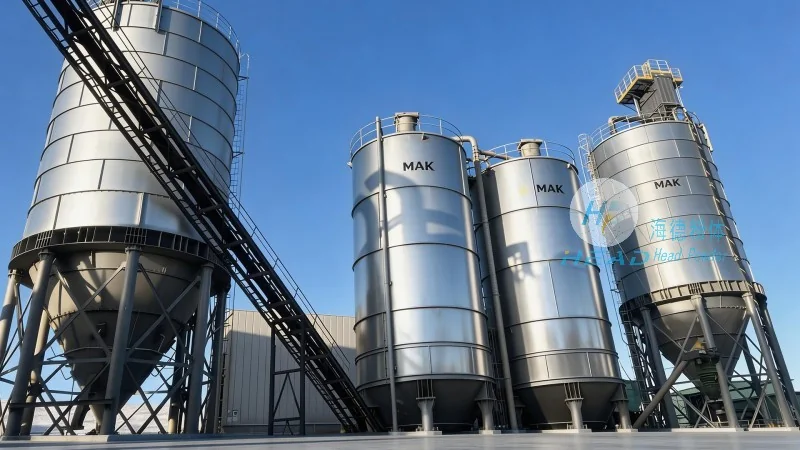
Application in Industrial Settings
Nickel sulfate material transport systems are widely used in industries such as battery manufacturing, electroplating, and chemical production. In battery manufacturing, for instance, nickel sulfate is a critical raw material for producing cathodes in lithium-ion batteries. The transport system ensures that the material is delivered to the production line in the correct form and quantity, supporting the efficient production of batteries. In electroplating, nickel sulfate is used to create a nickel coating on metal parts, and the transport system ensures a consistent supply of the solution to the plating tanks. This consistency is vital for achieving uniform plating quality and meeting customer specifications. Overall, the effectiveness of the material transport system directly impacts the quality and efficiency of the end products, making it an essential component of modern industrial operations.