

Working Principle and Characteristics of Dry Yeast Material Handling
Dry yeast is a vital ingredient in numerous industrial applications, including baking, brewing, and food processing. Efficient material handling of dry yeast is crucial for maintaining product quality, ensuring consistent processing, and optimizing operational efficiency. This article delves into the working principle and key characteristics of dry yeast material handling systems, highlighting the technological advancements and practical considerations that define modern solutions in this sector.
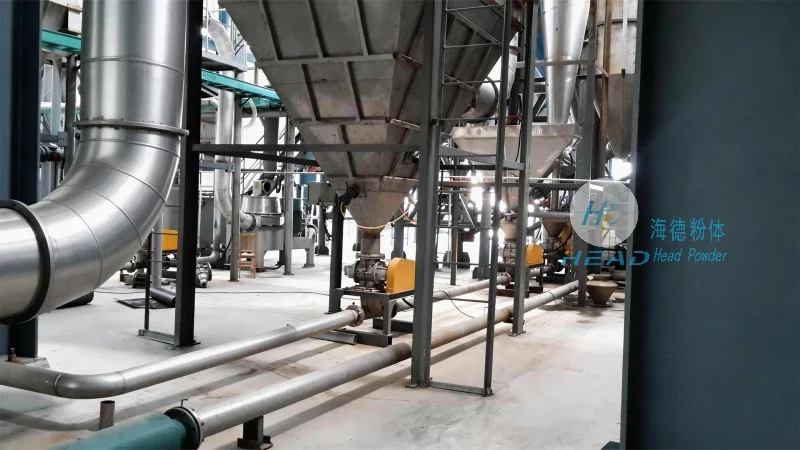
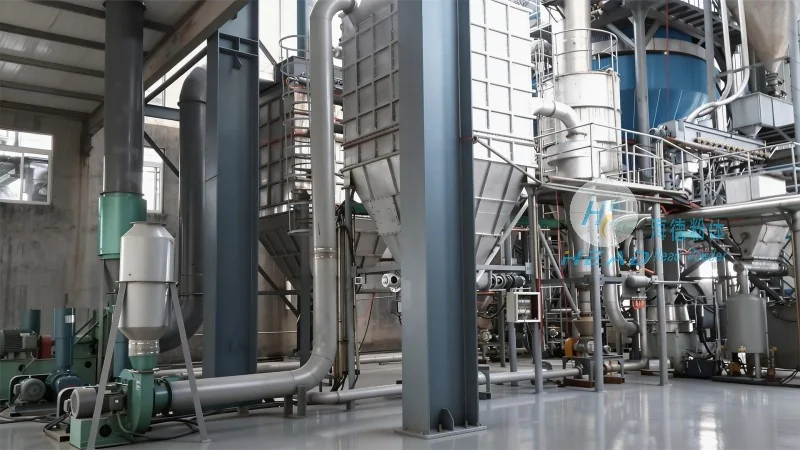
Exploring the Working Principle of Dry Yeast Material Handling
Dry yeast material handling systems are engineered to transport bulk dry yeast from storage silos to processing areas with precision and reliability. The core components typically include storage vessels, conveying equipment, and control mechanisms. The working principle centers on the mechanical or pneumatic movement of yeast particles through these systems. For instance, screw conveyors are widely used for horizontal or slight incline transport, utilizing rotating screws to push the yeast forward. In contrast, pneumatic conveying systems employ air pressure to lift and move the yeast through pipelines, offering flexibility for vertical and long-distance transport. The selection of a system depends on factors such as the yeast's bulk density, moisture content, and required throughput. Advanced control systems ensure the conveying process is optimized for minimal energy consumption and maximum efficiency, adapting to varying production demands.

Key Characteristics of Dry Yeast Material Handling Systems
Effective dry yeast material handling systems exhibit several defining characteristics that distinguish them from conventional bulk material handling solutions. Firstly, they are designed to preserve the integrity of the yeast, preventing clumping, agglomeration, or degradation during transport. This is achieved through gentle handling mechanisms, such as slow-moving screws or low-pressure air flow, which minimize mechanical stress on the yeast cells. Secondly, these systems prioritize hygiene and cleanliness, as dry yeast is often used in food and pharmaceutical applications where contamination is unacceptable. Stainless steel construction, easy-to-clean surfaces, and sealed components are standard features to ensure compliance with industry regulations. Thirdly, the systems offer high throughput and reliability, capable of handling large volumes of yeast while maintaining consistent flow rates. This is critical for continuous production lines, where downtime can significantly impact operational costs. Additionally, modern systems incorporate automation and monitoring capabilities, allowing real-time tracking of material levels, flow rates, and system performance. This data-driven approach enables proactive maintenance and optimization, reducing operational risks and enhancing overall productivity.
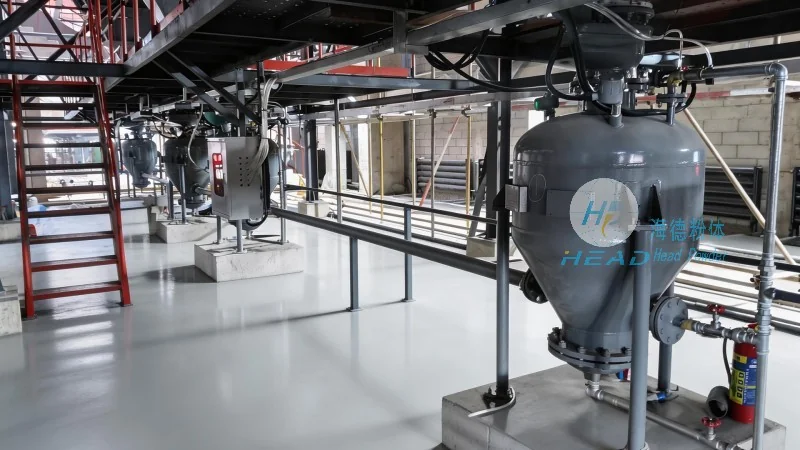
Company Profile: Shandong HeadPowder Engineering Co., Ltd.
Shandong HeadPowder Engineering Co., Ltd., operating under the brand name headpowder, is a leading provider of specialized material handling solutions tailored for the dry yeast industry. With a strong commitment to innovation and customer satisfaction, the company has established itself as a trusted partner for businesses seeking reliable and efficient dry yeast transport systems. HeadPowder leverages advanced engineering expertise and state-of-the-art technology to design, manufacture, and install customized material handling equipment that meets the unique requirements of each client. The company's facilities are located in Shandong, China, where it combines traditional craftsmanship with modern manufacturing techniques to deliver high-quality products. By focusing on the specific challenges of dry yeast handling, such as dust control, temperature regulation, and product preservation, HeadPowder ensures that its solutions are not only efficient but also sustainable and environmentally friendly. The company's team of experienced engineers and technicians works closely with clients to understand their operational needs, providing tailored solutions that enhance productivity while maintaining the highest standards of quality and safety.