

Working Principle and Features of Calcium Hydroxide Material Handling
Shandong HeadPowder Engineering Co., Ltd. (headpowder) specializes in providing advanced material handling solutions for calcium hydroxide and other industrial materials. The company's expertise lies in designing and implementing systems that ensure efficient, safe, and reliable transport of calcium hydroxide, addressing the unique challenges associated with handling this chemical. This article explores the working principle and key features of calcium hydroxide material handling systems, highlighting the technical aspects and operational advantages that contribute to effective industrial operations.
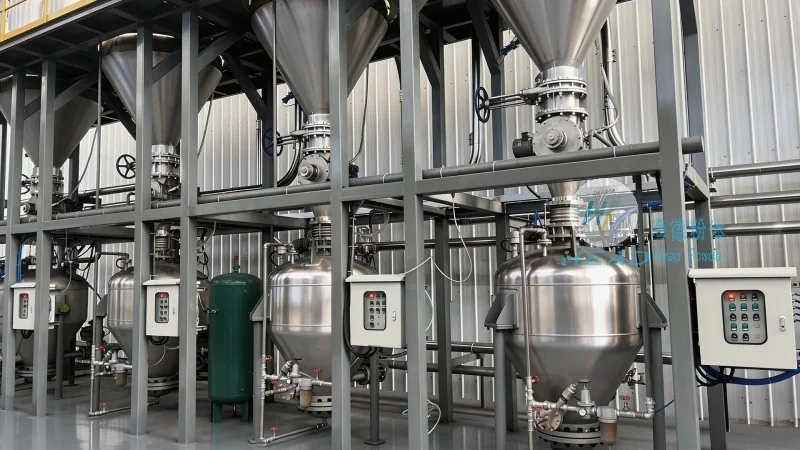
Working Principle of Calcium Hydroxide Material Handling
The working principle of calcium hydroxide material handling systems typically involves several key steps designed to ensure safe and efficient transport of the material. The process begins with the storage of calcium hydroxide in bulk, often in silos or storage tanks. From there, the material is transferred through a series of equipment such as conveyor belts, pneumatic conveying systems, or mechanical feeders. Each component plays a critical role in the overall operation. For instance, conveyor belts are commonly used for horizontal and slight incline transport, while pneumatic systems are ideal for long-distance or vertical transport, especially when dealing with fine powders like calcium hydroxide. The selection of the appropriate handling method depends on factors like the material's properties, required throughput, and the layout of the production facility. Proper sealing and dust control measures are also essential to prevent contamination and ensure environmental compliance during the handling process.
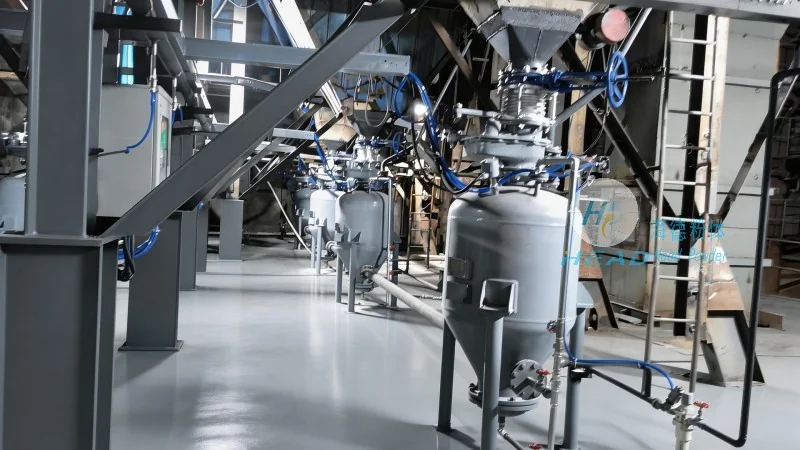
Key Features of Calcium Hydroxide Material Handling Systems
Calcium hydroxide material handling systems are characterized by several important features that enhance their performance and reliability. One of the primary features is the use of specialized equipment designed to handle the material's properties, such as its fine particle size and potential for caking. For example, some systems incorporate vibratory feeders or agitators to prevent material buildup and ensure consistent flow. Another key feature is the integration of safety measures, including dust collection systems and explosion-proof components, to mitigate risks associated with handling powders. The systems also often include monitoring and control technologies, such as level sensors and flow meters, to provide real-time data on material levels and transport rates. This allows operators to adjust the process parameters as needed, optimizing efficiency and reducing downtime. Additionally, the design of these systems emphasizes durability and low maintenance, using materials resistant to corrosion and wear from the calcium hydroxide particles. This ensures long-term operational reliability and cost-effectiveness for industrial users.
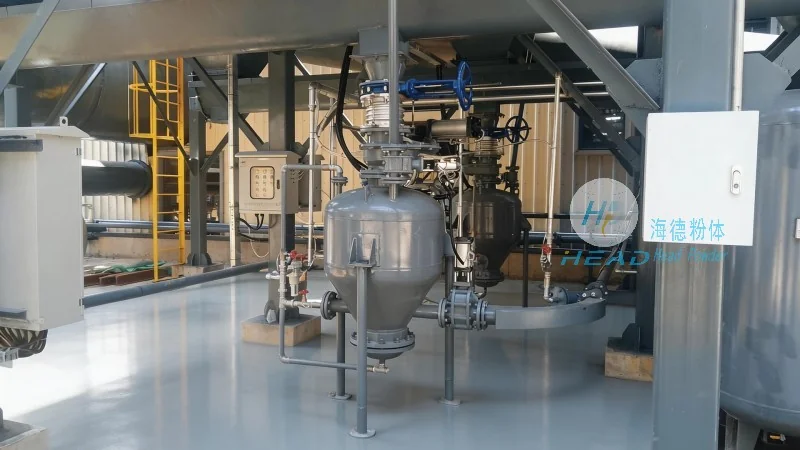
Operational Advantages and Applications
The operational advantages of calcium hydroxide material handling systems contribute significantly to the efficiency of industrial processes. By ensuring consistent and reliable transport of the material, these systems help maintain stable production rates and reduce the risk of material loss or contamination. The ability to handle large volumes of calcium hydroxide in a controlled manner also supports scalability in industrial operations, allowing companies to meet increasing demand without compromising quality or safety. Furthermore, the advanced features of modern material handling systems, such as automated controls and real-time monitoring, enhance operational flexibility and enable quick adjustments to production schedules. These advantages are particularly valuable in industries where calcium hydroxide is used as a raw material, such as in the production of cement, paper, or chemicals. The systems' ability to handle the material's unique characteristics, including its reactivity and potential for dust generation, ensures that downstream processes are not affected by quality issues or safety hazards. Overall, the features and advantages of calcium hydroxide material handling systems make them an essential component of modern industrial operations, supporting productivity and compliance with industry standards.
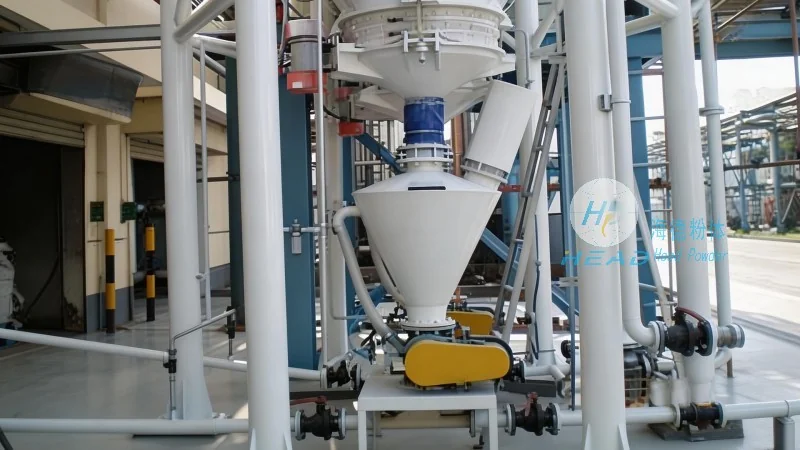
Conclusion
In conclusion, the working principle and features of calcium hydroxide material handling systems are critical to the efficient and safe operation of industrial processes. By understanding the technical aspects and advantages of these systems, companies can optimize their material handling strategies and improve overall productivity. The integration of specialized equipment, safety measures, and monitoring technologies ensures that calcium hydroxide is handled effectively, supporting the success of various industrial applications. As the demand for calcium hydroxide continues to grow, the importance of reliable material handling systems will only increase, making them a key investment for industrial operations.