

Working Principle and Features of Flour and Grain Material Conveying Lines
HeadPowder, a leading manufacturer based in Shandong, China, specializes in the design and production of advanced flour and grain material conveying systems. These lines are essential for the efficient handling and transportation of bulk materials in various food processing industries, including flour mills, grain processing plants, and bakery operations. The primary goal of such systems is to ensure smooth, safe, and reliable movement of raw materials from storage to processing areas, optimizing workflow and reducing operational downtime.
Working Principle of Flour and Grain Material Conveying Lines
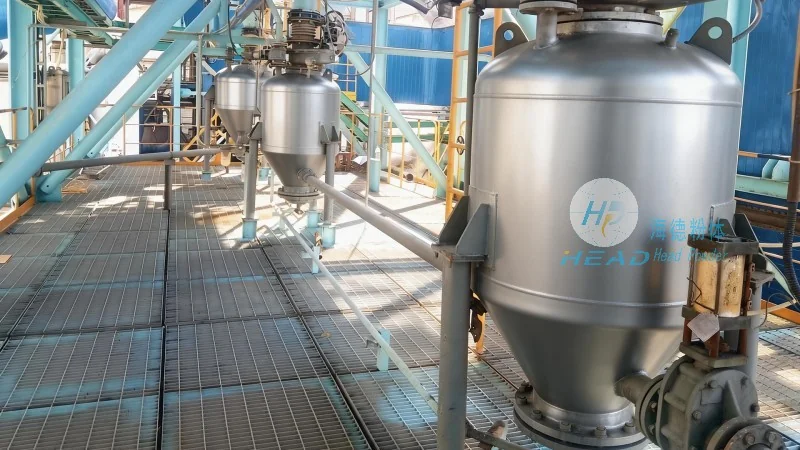
The core working principle of a typical flour and grain material conveying line involves the use of mechanical components to transport bulk materials through a series of connected sections. The system typically starts with a hopper or storage bin where the raw materials are stored. From there, the materials are fed into a conveyor system, which may include components like screw conveyors, belt conveyors, or pneumatic conveyors, depending on the specific requirements of the application. The conveyor components work in tandem to move the materials along a designated path, often with adjustable speed and direction controls to accommodate different material types and processing needs. For example, screw conveyors are commonly used for horizontal or slight incline transport due to their ability to handle dry, free-flowing materials without the need for additional power sources beyond the motor. Belt conveyors, on the other hand, are ideal for longer distances and can handle a wider range of material sizes, including bulkier grains or mixed products. Pneumatic conveyors, utilizing air pressure, are particularly effective for fine powders like flour, as they can transport materials vertically and horizontally with minimal dust generation and high efficiency. The entire system is often equipped with sensors and control panels to monitor the flow rate, detect blockages, and adjust operational parameters in real-time, ensuring consistent performance and preventing material loss or contamination.
Key Features of Flour and Grain Material Conveying Lines
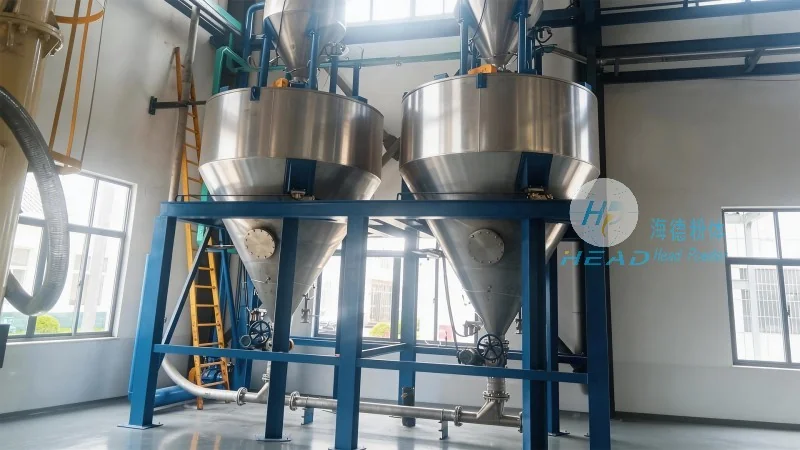
HeadPowder's flour and grain material conveying lines are characterized by several key features that enhance their functionality and reliability. First, the systems are designed with high durability and corrosion resistance, as they are exposed to various environmental conditions and the abrasive nature of bulk materials. The use of high-quality stainless steel or food-grade materials in construction ensures longevity and compliance with industry standards. Second, the conveyors are equipped with advanced control systems that allow for precise regulation of speed, direction, and material flow. This feature is crucial for maintaining consistent product quality and preventing overloading or underloading of processing equipment. Third, the lines are designed for easy maintenance and cleaning, with components that can be easily disassembled and sanitized, which is essential for food processing applications where hygiene is paramount. Additionally, the systems often include safety features such as emergency stop buttons, overload protection, and material level sensors to prevent accidents and ensure operator safety. Another notable feature is the modular design, which allows for easy expansion or reconfiguration of the system to adapt to changing production needs or facility layouts. This flexibility makes the conveying lines suitable for both small-scale and large-scale operations, from individual bakery shops to large industrial flour mills.

Application Examples and Benefits
The versatility of HeadPowder's flour and grain material conveying lines makes them suitable for a wide range of applications. In flour mills, these systems are used to transport raw wheat or other grains from storage silos to grinding machines, ensuring a continuous supply of materials for the milling process. The efficient transport of grains reduces the time required for processing and minimizes the risk of material spoilage due to prolonged exposure to air or moisture. In grain processing plants, the conveyors are used to move processed grains, such as corn or rice, from cleaning and sorting stages to packaging or storage areas. The smooth operation of the conveying line helps maintain the quality of the processed grains by preventing breakage or contamination during transport. For bakery operations, the systems are used to transport flour and other dry ingredients from storage to mixing or baking equipment. The consistent flow of ingredients ensures that the final baked products have uniform quality and texture, which is critical for meeting customer expectations. The benefits of using these conveying lines extend beyond just efficiency; they also contribute to cost savings by reducing labor costs associated with manual handling and minimizing material waste due to improved handling techniques. Furthermore, the advanced control systems and safety features help reduce operational risks, leading to lower insurance premiums and fewer workplace accidents.