

Working Principle and Features of Grain Material Conveying Lines
Grain material conveying lines are essential systems in the agricultural and food processing industries, designed to efficiently transport bulk grain and other similar materials from one location to another. These systems play a crucial role in ensuring smooth operations in grain storage, processing, and distribution facilities. The following article explores the working principle and key features of such conveying lines, providing insights into their functionality and advantages.
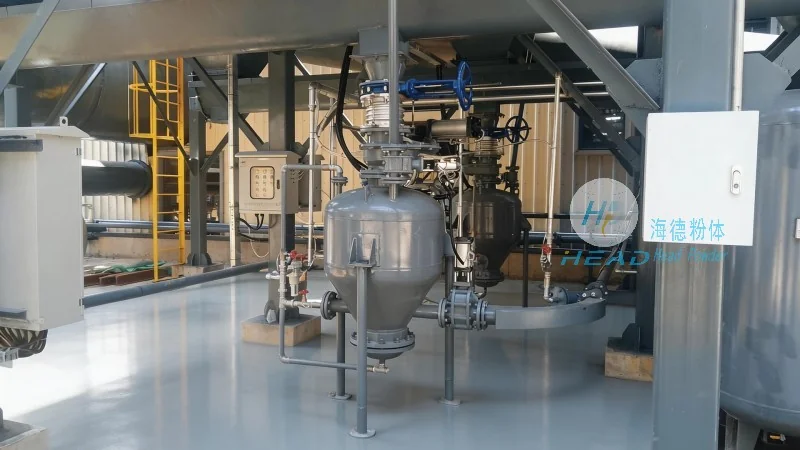
Introduction to Grain Material Conveying Lines
HeadPowder, a leading manufacturer in the field, specializes in the design, production, and installation of high-quality grain material conveying lines. With a strong presence in Shandong, China, the company has built a reputation for delivering reliable and efficient solutions tailored to the specific needs of its clients. The following sections delve into the core aspects of these systems, highlighting how they operate and what makes them effective.
Working Principle of Grain Material Conveying Lines
The working principle of grain material conveying lines typically involves a combination of mechanical components that work in tandem to move bulk materials. The primary components include feeders, conveyors (such as belt conveyors, screw conveyors, or bucket elevators), and control systems. The process begins with the material being fed into the system, often through a hopper or a loading hopper. The feeder then regulates the flow of the material, ensuring a consistent and controlled feed rate. This regulated flow is then transferred to the conveyor, which moves the material along a designated path. The conveyor system may use different mechanisms depending on the material characteristics and the required transport distance. For instance, belt conveyors are commonly used for horizontal or slight incline transport, while screw conveyors are ideal for vertical or inclined movement. Bucket elevators, on the other hand, are effective for vertical lifting of heavy materials. The control system monitors and adjusts the operation of these components to maintain optimal performance and prevent issues like overloading or material blockages.
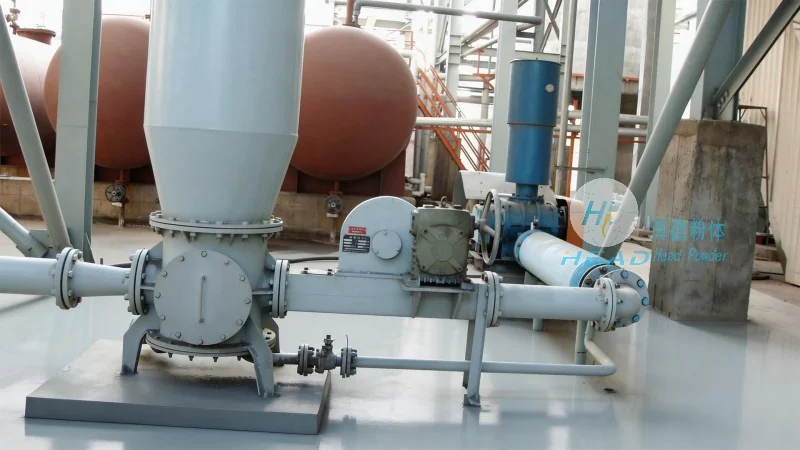
Key Features of Grain Material Conveying Lines
Grain material conveying lines from HeadPowder are characterized by several key features that enhance their performance and reliability. Firstly, these systems are designed for high efficiency, ensuring minimal material loss and maximum throughput. The use of durable materials and robust construction ensures longevity and resistance to wear and tear, even with continuous operation. Secondly, the systems are highly customizable, allowing clients to tailor the design to their specific requirements. This includes adjusting the conveyor length, speed, and capacity to match the volume of material being handled. Thirdly, the conveying lines are equipped with advanced control systems that provide real-time monitoring and automated adjustments. This feature helps in maintaining consistent operation and reducing downtime. Additionally, the systems are designed with safety in mind, incorporating features like overload protection and emergency stop mechanisms to prevent accidents and ensure the safety of operators. The use of high-quality components and adherence to industry standards further enhances the reliability and performance of these conveying lines.
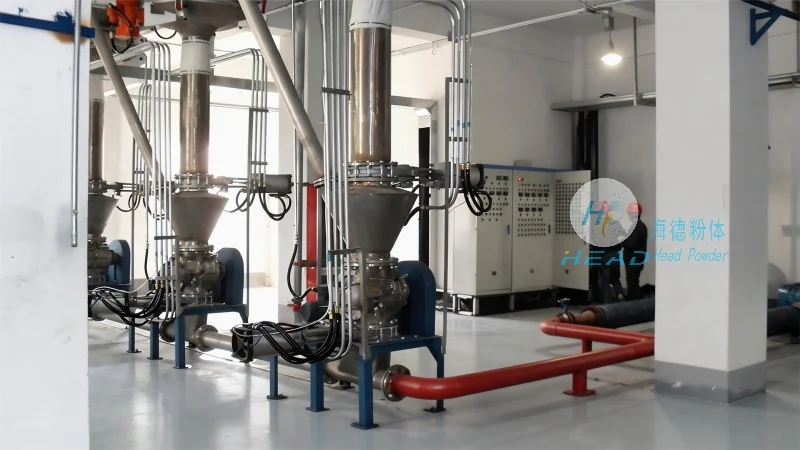
Applications and Benefits
Grain material conveying lines find wide applications in various industries, including agriculture, food processing, and logistics. In agricultural settings, they are used for transporting harvested grains from fields to storage facilities or processing plants. In food processing, these systems are crucial for moving raw materials through different stages of production, such as cleaning, sorting, and packaging. The benefits of using these conveying lines include improved operational efficiency, reduced labor costs, and enhanced safety. By automating the material handling process, companies can achieve higher productivity and better control over their operations. Moreover, the consistent and controlled movement of materials helps in maintaining product quality and reducing the risk of damage or contamination.
Conclusion
Grain material conveying lines are sophisticated systems that play a vital role in the efficient handling of bulk materials. The working principle, which involves a coordinated operation of feeders, conveyors, and control systems, ensures smooth and reliable transport. The key features, such as high efficiency, durability, and customization options, make these systems suitable for various applications. HeadPowder, with its expertise and commitment to quality, continues to provide top-notch solutions that meet the evolving needs of the industry. By understanding the working principle and features of these conveying lines, businesses can make informed decisions and optimize their material handling processes.