

Working Principle and Features of Iron Chip Material Handling Systems
For industrial applications that require the efficient and reliable transport of iron chips, specialized material handling systems are essential. These systems are designed to address the unique challenges posed by iron chip materials, such as their high density, tendency to adhere to surfaces, and potential for causing mechanical wear on equipment. The following article provides an in-depth look at the working principle and key features of iron chip material handling systems, as offered by Shandong HeadPowder Engineering Co., Ltd., a leading manufacturer based in Shandong, China.
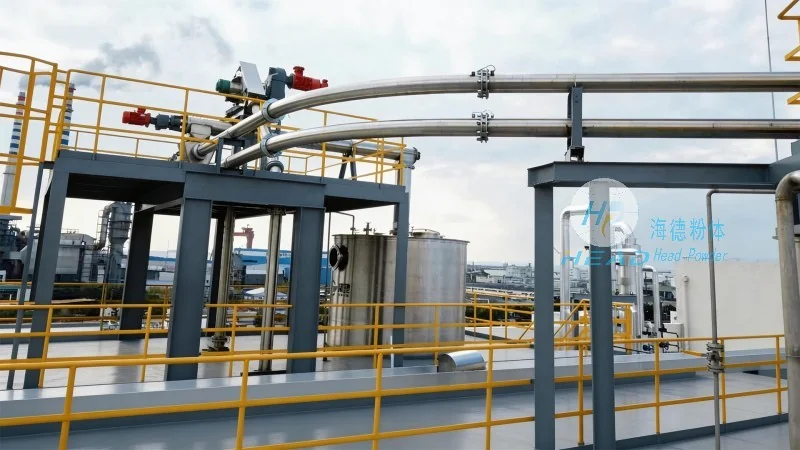
Working Principle of Iron Chip Material Handling Systems
The core of an iron chip material handling system lies in its ability to move bulk materials through a series of components while maintaining efficiency and minimizing downtime. Typically, these systems consist of a combination of equipment such as screw conveyors, vibratory feeders, and belt conveyors, each playing a specific role in the material transport process. The working principle involves several key steps:
First, the iron chips are fed into the system, often via a hopper or a feeding mechanism. The initial stage may involve a vibratory feeder, which uses mechanical vibrations to regulate the flow of material into the primary transport device. This ensures a consistent and controlled feed rate, preventing overloading and reducing the risk of blockages. Once the material is properly fed, it is transferred to the main conveyor system. For iron chips, screw conveyors are commonly used due to their ability to handle abrasive materials and their self-cleaning design, which helps prevent material buildup on the screw surface. The screw conveyor rotates, pushing the iron chips forward through the system. In some applications, additional components like magnetic separators may be integrated to remove any stray metal particles, ensuring the purity of the transported material. The entire process is controlled by a programmable logic controller (PLC) or a similar automation system, which monitors the flow rate, pressure, and other parameters to maintain optimal performance.
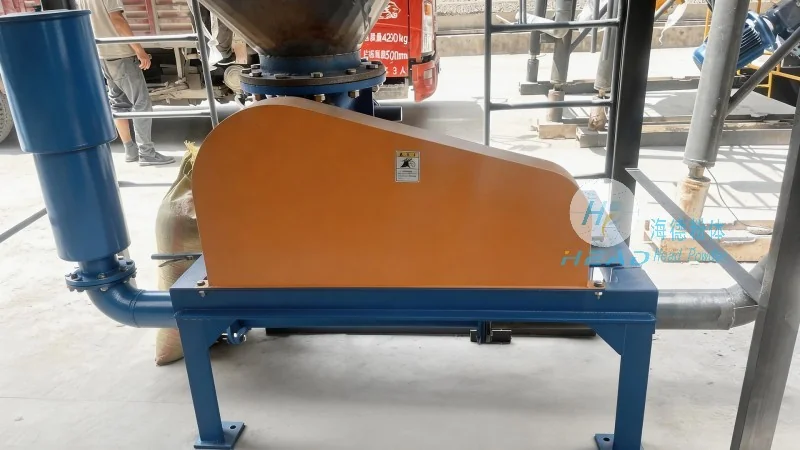
Key Features of Iron Chip Material Handling Systems
Shandong HeadPowder Engineering Co., Ltd. designs and manufactures iron chip material handling systems with a focus on durability, efficiency, and adaptability. The following are some of the key features that distinguish these systems:
1. Robust Construction and Wear Resistance: The equipment is built with high-quality materials, such as stainless steel or abrasion-resistant alloys, to withstand the harsh conditions associated with iron chip handling. This includes components like the screw flights and conveyor belts, which are designed to resist wear from the abrasive nature of iron chips. The use of durable materials ensures a longer service life and reduces the frequency of maintenance and replacement.
2. Self-Cleaning Design: Iron chips have a tendency to adhere to surfaces, which can lead to blockages and reduced efficiency. The systems incorporate self-cleaning mechanisms, such as spiral flights on screw conveyors or special belt designs, that prevent material buildup and maintain consistent flow. This feature is particularly important in preventing system downtime and ensuring continuous operation.
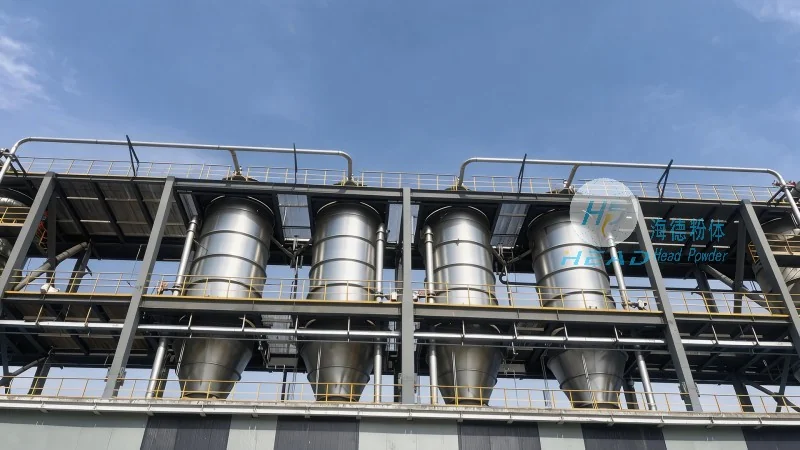
3. Efficient Material Transport: The systems are engineered to maximize throughput while minimizing energy consumption. The design of the conveyor components, including the pitch and speed of the screw, is optimized to handle the specific characteristics of iron chips. This results in higher material handling rates and lower operational costs.
4. Customization and Flexibility: Shandong HeadPowder Engineering Co., Ltd. offers customized solutions tailored to the specific needs of each client. Whether the application requires vertical or horizontal transport, or a combination of both, the systems can be configured to meet the requirements. Additionally, the equipment can be integrated with other processing equipment, such as sorting or magnetic separation units, to create a comprehensive material handling solution.
5. Low Maintenance and Easy Operation: The design of the systems prioritizes ease of maintenance and operation. Access panels and maintenance points are strategically placed for quick and efficient servicing. The use of standard components and modular design also simplifies repairs and reduces downtime. The control systems are user-friendly, allowing operators to monitor and adjust the system parameters with minimal training.
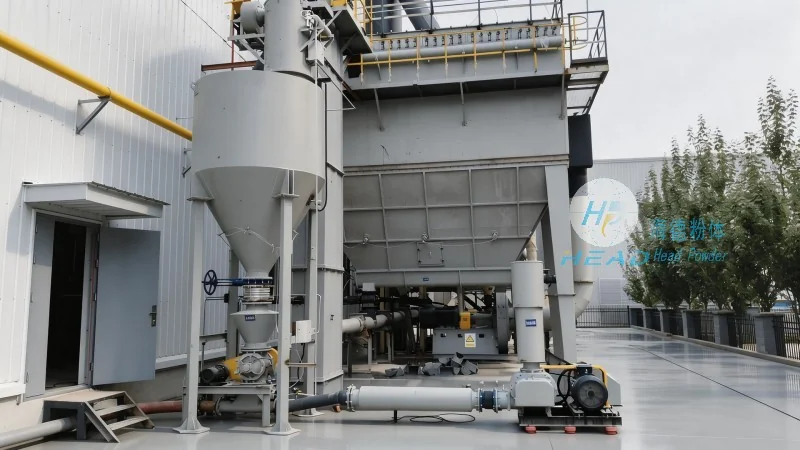
Benefits of Using Iron Chip Material Handling Systems
Implementing an iron chip material handling system from Shandong HeadPowder Engineering Co., Ltd. offers several benefits for industrial operations. These include improved productivity through consistent and efficient material transport, reduced labor costs due to automated processes, and enhanced safety by minimizing manual handling of heavy or hazardous materials. The systems also contribute to better material quality by preventing contamination and ensuring a uniform flow of iron chips. Additionally, the robust design and low maintenance requirements result in lower overall operational costs over the system's lifespan.
Conclusion
Iron chip material handling systems are critical components in industrial processes that involve the transport of bulk iron chip materials. The working principle, which combines specialized equipment and automation, ensures efficient and reliable operation. The key features, such as robust construction, self-cleaning capabilities, and customization options, make these systems suitable for a wide range of applications. By choosing a system from Shandong HeadPowder Engineering Co., Ltd., based in Shandong, China, industrial clients can benefit from high-quality, durable, and efficient material handling solutions that meet their specific needs and contribute to overall operational success.