

[W]Working Principle and Characteristics of Pneumatic Conveying for Broken Bulk Bag Materials
For industrial applications involving the handling of bulk materials from broken or damaged bulk bags, pneumatic conveying systems offer an efficient and reliable solution. This article explores the working principle and key characteristics of such systems, highlighting their role in modern material handling processes.
Introduction to Pneumatic Conveying Systems
Pneumatic conveying systems are designed to transport bulk materials through a pipeline using air or gas as the conveying medium. These systems are particularly suitable for handling materials that are difficult to move by traditional methods, such as powders, granules, and other fine or bulk materials. The technology is widely used in industries like food, pharmaceuticals, chemicals, and minerals, where maintaining material integrity and controlling dust are critical.
Working Principle of Bulk Bag Broken Bag Material Pneumatic Conveying
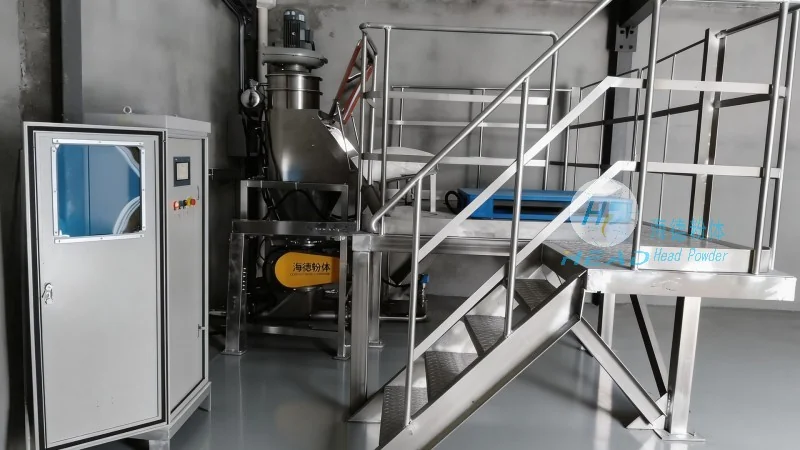
The core of a pneumatic conveying system for broken bulk bag materials involves several key components and operational steps. First, the material is discharged from the broken or damaged bulk bag into a hopper or feeder. The feeder then regulates the flow of material into the conveying line. Next, a blower or compressor generates the necessary air pressure to move the material through the pipeline. The material is carried by the air stream, which can be either in a dilute phase (where particles are suspended in the air) or a dense phase (where particles are more closely packed). The system typically includes a receiver or silo at the end to collect the conveyed material, followed by a dust collection system to ensure environmental compliance.
Key Characteristics and Advantages
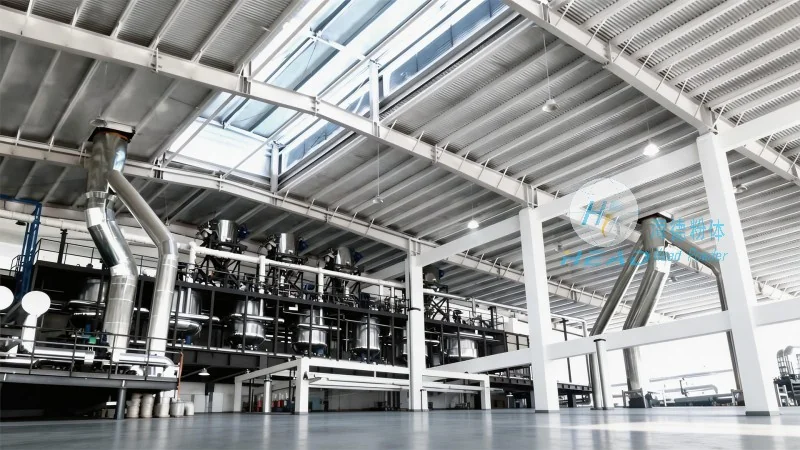
Several distinct characteristics define the performance of pneumatic conveying systems for broken bulk bag materials. One of the primary advantages is the ability to handle materials with varying properties, including those that are abrasive, corrosive, or sensitive to moisture. The system’s enclosed design minimizes dust exposure and contamination, which is crucial in industries like food and pharmaceuticals. Additionally, pneumatic conveying offers flexibility in terms of layout and can be adapted to existing facilities without major structural changes. The technology also provides precise control over material flow rates and can be integrated with other processing equipment for automated material handling.
Technical Considerations and System Design
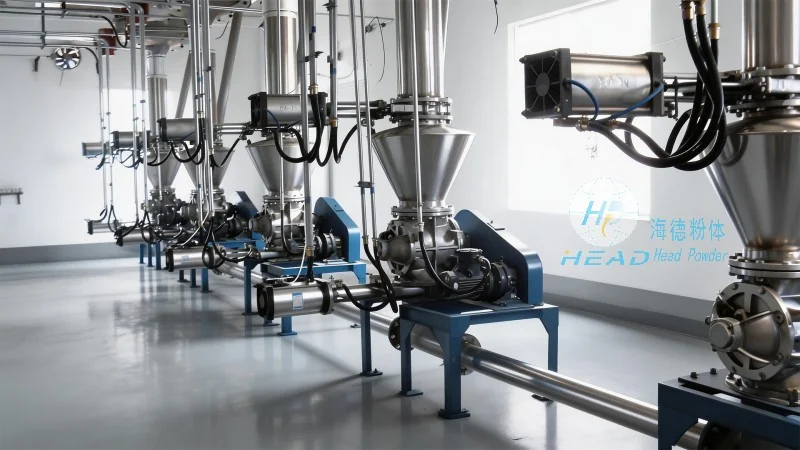
When designing a pneumatic conveying system for broken bulk bag materials, several technical factors must be considered to ensure optimal performance. The choice between dilute and dense phase conveying depends on the material’s characteristics, such as particle size, density, and flowability. Dilute phase systems are generally more suitable for fine powders and require higher air velocities, while dense phase systems are better for bulkier materials and can handle higher solids concentrations. The system’s pressure and flow rate must be carefully calibrated to prevent material degradation or blockages in the pipeline. Furthermore, the selection of appropriate components, such as blowers, filters, and material handling equipment, is critical to maintaining system efficiency and longevity.
Applications and Industry Impact
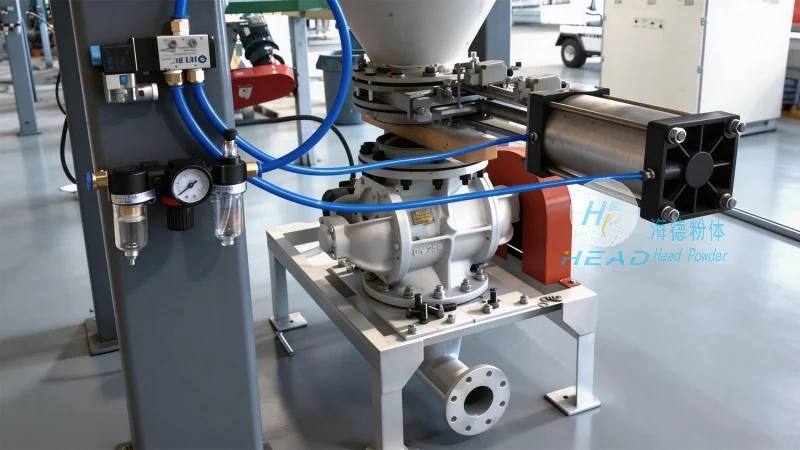
Pneumatic conveying systems for broken bulk bag materials have become indispensable in various industrial applications. In the food industry, they are used to transport ingredients like flour, sugar, and spices from storage to processing lines, ensuring hygienic and dust-free handling. In the pharmaceutical sector, the technology is employed to convey active pharmaceutical ingredients (APIs) and excipients, maintaining strict quality control standards. The chemical industry utilizes pneumatic conveying for handling corrosive or hazardous materials, while the minerals industry applies it to transport ores and concentrates. The consistent performance and reliability of these systems contribute to improved productivity and reduced operational costs in these sectors.
Conclusion
Pneumatic conveying systems for broken bulk bag materials represent a sophisticated solution for efficient material handling. By understanding the working principle and leveraging the key characteristics of these systems, industries can enhance their operational efficiency, maintain material quality, and comply with environmental regulations. As technology continues to advance, these systems will likely evolve to incorporate more automation and advanced control systems, further optimizing material handling processes.