

Working Principle and Features of Pharmaceutical Bulk Material Pneumatic Conveying Systems
Pharmaceutical bulk material pneumatic conveying systems are critical equipment in the pharmaceutical manufacturing industry, designed to transport powders and granules safely and efficiently. These systems play a vital role in maintaining the integrity of pharmaceutical products, ensuring compliance with stringent regulatory standards, and enhancing overall production efficiency. As a leading manufacturer in this field, Shandong HeadPowder Engineering Co., Ltd., based in Shandong, China, specializes in developing advanced solutions tailored to the unique demands of the pharmaceutical sector.
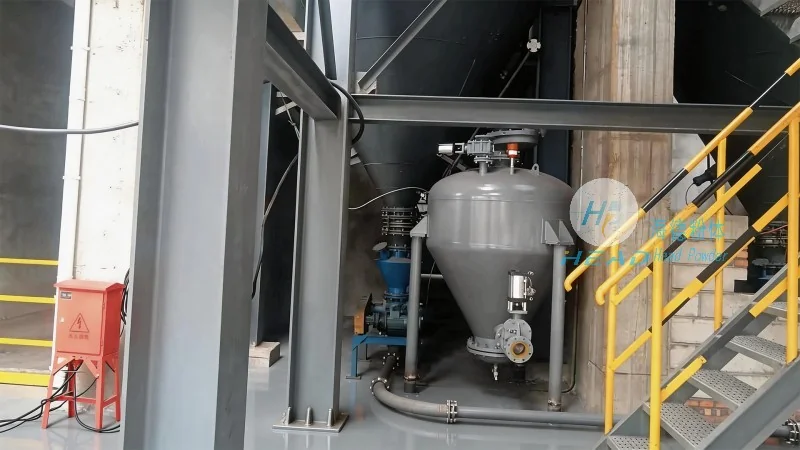
Working Principle of Pharmaceutical Bulk Material Pneumatic Conveying Systems
Pneumatic conveying systems operate by using air or gas to transport bulk materials through a closed pipeline system. There are two primary types of pneumatic conveying: suction (or vacuum) and pressure (or positive pressure) systems. The choice between these systems depends on factors such as the material properties, the distance to be conveyed, and the required flow rate. In suction systems, a vacuum is created at the material inlet to draw the product into the pipeline. This method is ideal for applications where the material is to be transferred from a low-level source or where a gentle handling approach is needed to prevent product degradation. Conversely, pressure systems use compressed air to push the material through the pipeline, making them suitable for longer distances or when the material needs to be conveyed to a higher elevation. Both systems rely on the principle of air flow to move the material, with the air acting as the medium that propels the product along the pipeline.
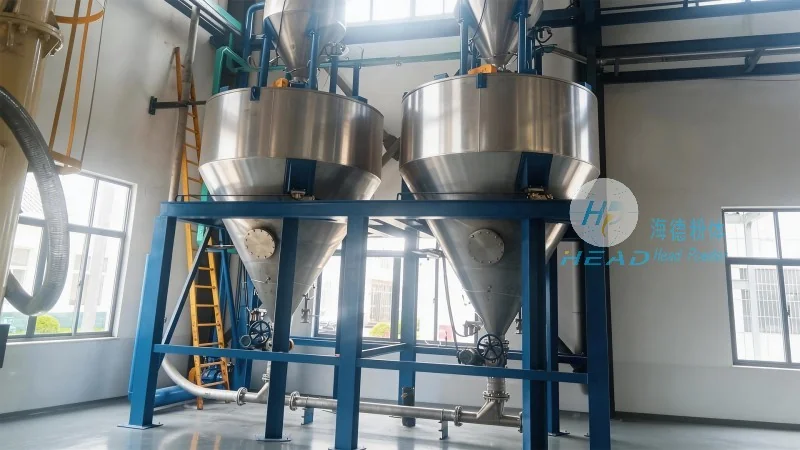
Key Features of Pharmaceutical Bulk Material Pneumatic Conveying Systems
Pharmaceutical pneumatic conveying systems are engineered with several key features that distinguish them from conventional conveying methods. Firstly, they are designed with a focus on hygiene and cleanliness, incorporating materials such as stainless steel and food-grade components to prevent contamination. The systems are also equipped with easy-to-clean components, including smooth surfaces and minimal dead zones, which are essential for maintaining compliance with GMP (Good Manufacturing Practice) regulations. Another critical feature is the ability to handle a wide range of materials, from fine powders to coarse granules, without causing degradation or agglomeration. This versatility makes them suitable for various pharmaceutical applications, including the transport of active pharmaceutical ingredients (APIs), excipients, and finished dosage forms. Additionally, these systems offer high efficiency and low energy consumption compared to traditional methods like bucket elevators or belt conveyors. The use of compressed air or vacuum reduces the need for mechanical parts, leading to lower maintenance costs and increased operational reliability. Furthermore, the enclosed pipeline design minimizes dust emissions, contributing to a safer and more environmentally friendly working environment. The systems also provide precise control over flow rates and pressure, allowing for accurate dosing and consistent product quality. This level of control is crucial in pharmaceutical manufacturing, where uniformity and consistency are paramount.
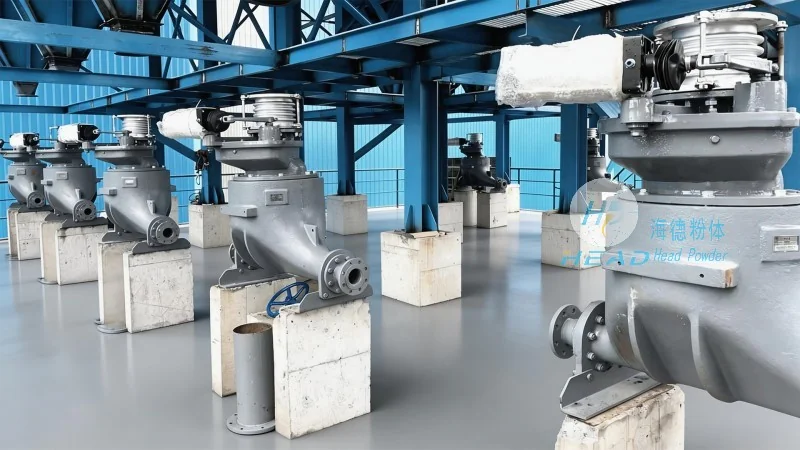
Application-Specific Advantages in Pharmaceutical Manufacturing
The advantages of pharmaceutical bulk material pneumatic conveying systems extend to specific applications within the industry. For example, in the production of oral solid dosage forms, these systems are used to transport excipients and APIs from raw material storage to the blending and tableting stages. The gentle handling provided by pneumatic conveying minimizes the risk of particle breakage or degradation, which is critical for maintaining the potency and stability of the active ingredients. In the case of sterile pharmaceutical products, the systems are often integrated with sterile air filtration and sterilization processes to ensure that the conveyed materials remain free from contaminants. This integration is essential for products that require aseptic processing, such as injectable drugs. Additionally, the systems can be customized to meet the specific requirements of different production lines, including varying material types, flow rates, and conveying distances. This flexibility allows manufacturers to optimize their production processes and adapt to changing production demands without significant modifications to the equipment. The use of advanced control systems, such as PLC (Programmable Logic Controllers), further enhances the operational efficiency of these systems by enabling automated control and monitoring of the conveying process. This automation reduces human error and ensures consistent performance, contributing to higher product yields and lower production costs.
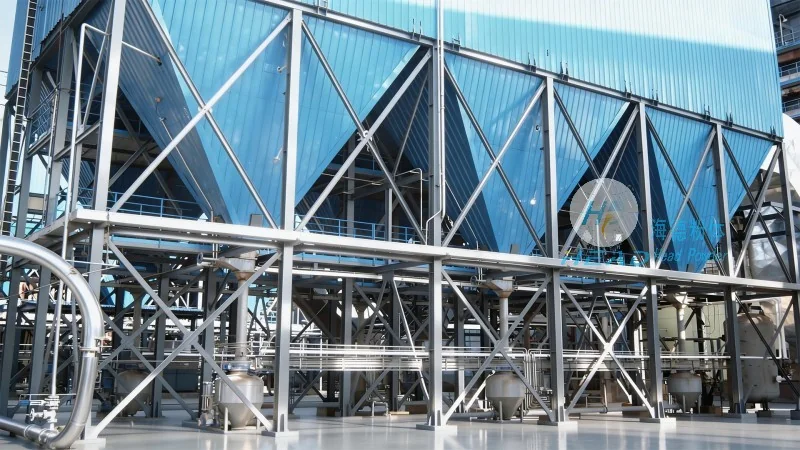
Conclusion and Company Overview
Pharmaceutical bulk material pneumatic conveying systems represent a sophisticated and efficient solution for transporting powders and granules in the pharmaceutical industry. By leveraging the principles of pneumatic transport, these systems offer numerous advantages, including hygiene, versatility, energy efficiency, and precise control. Shandong HeadPowder Engineering Co., Ltd., with its headquarters in Shandong, China, is a trusted provider of such advanced systems, committed to delivering high-quality, customized solutions that meet the stringent requirements of pharmaceutical manufacturing. The company's expertise in designing and manufacturing pneumatic conveying equipment ensures that clients receive reliable and effective solutions tailored to their specific needs, helping to enhance production efficiency and maintain product quality in compliance with industry standards.