

Working Principle and Features of White Powder Material Pneumatic Conveying Systems
White powder material pneumatic conveying systems represent a critical technology in modern industrial operations, particularly for the efficient and safe handling of fine powders such as those used in food, pharmaceutical, and chemical sectors. These systems leverage the principles of fluid dynamics to transport dry powders through a sealed pipeline using air or gas as the conveying medium. The technology has evolved significantly over the decades, with advancements in design, control systems, and material selection enhancing performance, reliability, and adaptability to diverse industrial needs. Understanding the working principles and features of these systems is essential for industries seeking to optimize material handling processes and improve overall operational efficiency.
Working Principle of Pneumatic Conveying Systems
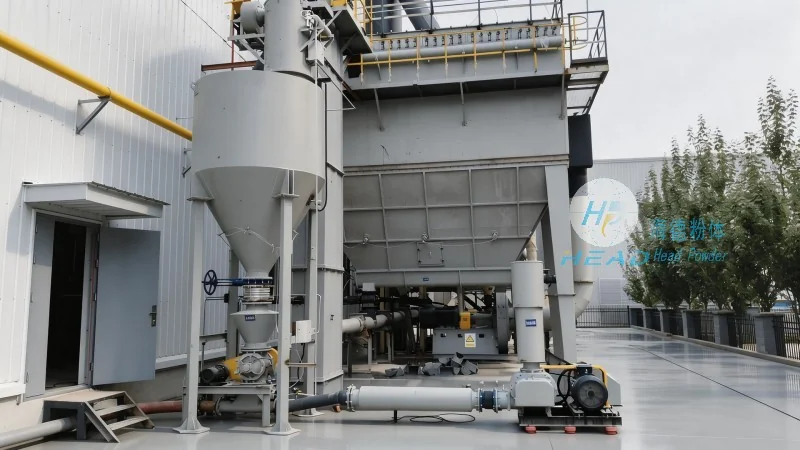
The fundamental working principle of a white powder material pneumatic conveying system revolves around creating a pressure differential within a sealed pipeline to transport the powder. The system typically comprises several key components: a source of compressed air (such as a blower or compressor), a feed hopper or feeder, a conveying pipeline, and a discharge unit or receiver. The process begins with the white powder being introduced into the feed hopper, where it is then drawn into the conveying line by the airflow generated by the blower. As the air flows through the pipeline at a high velocity, it lifts and suspends the powder particles, carrying them from the source to the destination. The velocity of the air and the design of the pipeline are critical parameters that determine the efficiency of the conveying process. The system operates under either positive pressure (where air is forced into the pipeline) or negative pressure (where air is drawn out), depending on the specific configuration and application requirements. This flexibility allows for adaptation to various industrial settings, from small-scale processing plants to large-scale manufacturing facilities.
Key Components and Their Functions
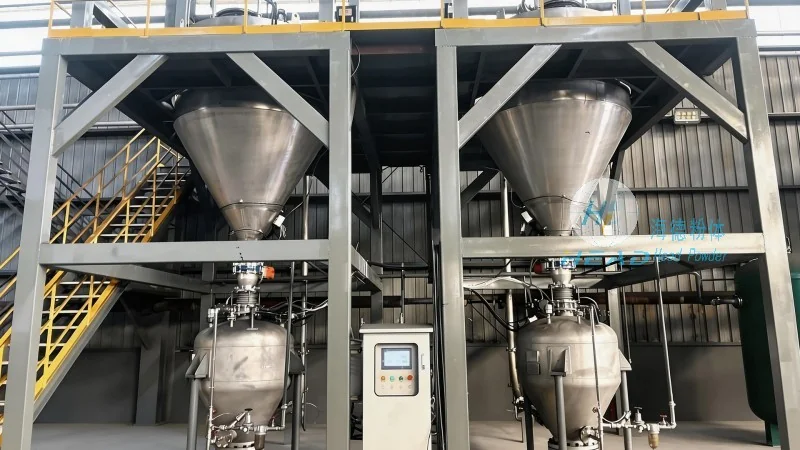
Several critical components are integral to the effective operation of a white powder material pneumatic conveying system. The first is the air compressor or blower, which provides the necessary airflow and pressure to transport the powder. The choice of compressor depends on the specific characteristics of the white powder, including particle size, density, moisture content, and the required conveying capacity. For example, a high-pressure blower may be used for transporting fine powders with low bulk density, while a low-pressure system may suffice for bulkier materials. The second key component is the feed hopper or feeder, responsible for supplying the white powder to the conveying line. This component ensures a consistent and controlled flow of material, preventing blockages and maintaining system stability. The hopper may include a rotary valve or a screw feeder to regulate the powder discharge rate. The conveying pipeline is typically made of materials like stainless steel or food-grade plastic, selected for their resistance to corrosion, wear, and compatibility with the white powder. The pipeline may incorporate bends, elbows, and expansion joints to accommodate changes in direction and prevent material deposition or clogging. Finally, the discharge unit or receiver collects the transported white powder and may include a filter or separator to remove any air or fine particles before the material is stored or used. This unit ensures that the final product remains clean and free from contaminants.
Advantages of Pneumatic Conveying Systems for White Powders
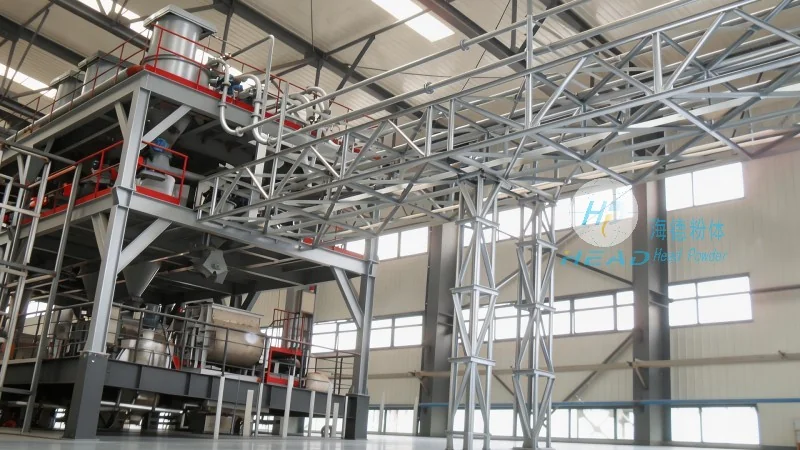
White powder material pneumatic conveying systems offer numerous advantages over traditional mechanical conveying methods, making them the preferred choice for many industries. One of the most significant benefits is the ability to transport powders in a sealed environment, which effectively prevents contamination from external sources and minimizes dust emissions. This is particularly crucial in industries like food and pharmaceuticals, where product purity, safety, and regulatory compliance are non-negotiable. Additionally, pneumatic conveying systems provide exceptional flexibility in terms of layout and installation. The pipeline can be arranged to follow the existing facility layout without the need for complex structural modifications, allowing for easy integration into existing production lines. The systems also offer high efficiency in material transfer, with minimal energy loss compared to other methods like belt conveyors or bucket elevators. Furthermore, they can handle a wide range of powder characteristics, including different particle sizes, densities, and moisture levels, making them suitable for diverse applications. This versatility allows for the same system to be used for various white powders, such as flour, sugar, or chemical powders, reducing the need for multiple types of equipment.
Common Applications and Industries
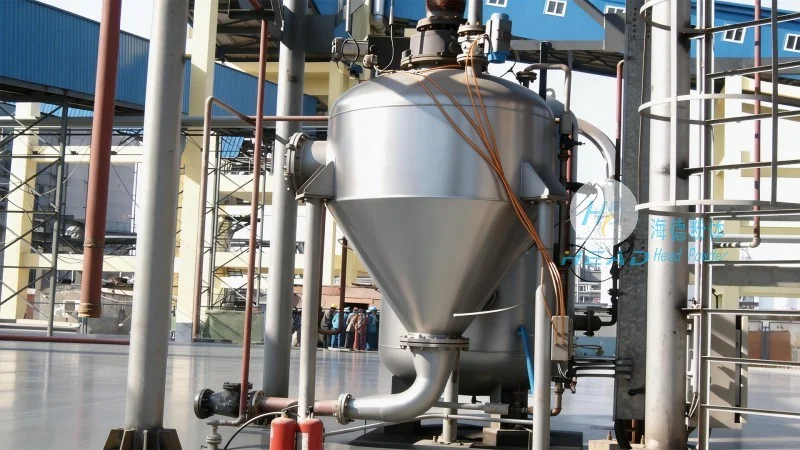
White powder material pneumatic conveying systems are widely utilized across various industries that handle fine powders. In the food industry, these systems are extensively used to transport ingredients like flour, sugar, milk powder, and cocoa powder in food processing plants. The systems ensure that these ingredients are transferred efficiently and hygienically, maintaining the quality and freshness of the final products. In the pharmaceutical industry, pneumatic conveying is critical for transporting active pharmaceutical ingredients (APIs) and excipients, as it provides a sterile and controlled environment that prevents contamination and ensures product purity. The systems are often integrated into cleanroom facilities, where strict contamination control is required. The chemical industry also benefits significantly from these systems when handling chemicals, pigments, and other powders. For example, in the production of dyes or pigments, pneumatic conveying ensures that the powders are transferred without degradation or contamination. Additionally, in the agricultural sector, pneumatic conveying is used for transporting fertilizers and other agricultural powders, facilitating efficient distribution and application. The versatility of the system makes it suitable for a broad range of applications, from small-scale operations to large industrial facilities, and across different sectors, making it a valuable asset in modern manufacturing.