

Working Principle and Features of Tea Material Pneumatic Conveying Lines
HeadPowder Engineering Co., Ltd., headquartered in Shandong, China, specializes in the development and manufacturing of advanced pneumatic conveying systems tailored for the tea processing sector. These systems are engineered to efficiently handle the unique physical properties of tea leaves and related materials, ensuring optimal performance in diverse production environments.
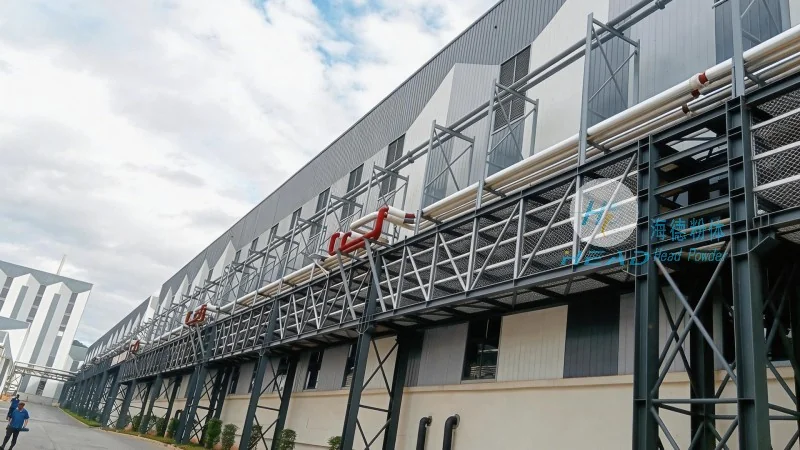
Working Principle of Tea Material Pneumatic Conveying Lines
Pneumatic conveying lines operate by utilizing air flow to transport solid materials, such as tea leaves, through a network of enclosed pipes. The system typically employs either positive pressure or negative pressure (suction) methods to move the material from the source to the destination. In positive pressure systems, compressed air is introduced into the material hopper, creating a pressure differential that propels the tea leaves through the pipeline. Conversely, negative pressure systems create a vacuum in the receiving end, drawing the material through the pipes. The process involves several critical components: a feed hopper to hold the raw tea leaves, a rotary valve or feeder to control the flow rate into the pipeline, the conveying pipeline itself, and a separation or collection unit. The feed hopper ensures a consistent supply of material, while the rotary valve regulates the quantity entering the system. The compressed air or vacuum is then applied to move the material along the pipeline, where it is eventually separated from the air and collected in the receiving container. This method allows for continuous, automated material transport without the need for mechanical parts in direct contact with the product.
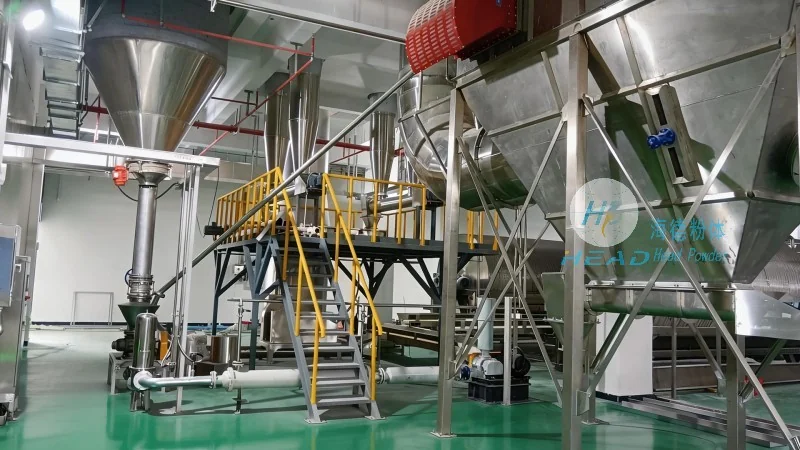
Key Features of Tea Material Pneumatic Conveying Lines
Tea material pneumatic conveying lines from HeadPowder Engineering Co., Ltd. are distinguished by several key features that enhance their effectiveness and suitability for tea processing applications. Firstly, they offer high efficiency in material transport, minimizing downtime and maximizing throughput. The systems are designed to handle a wide range of tea leaf sizes and types, ensuring adaptability to different production needs. Additionally, these conveying lines provide low material degradation, as the enclosed pipeline reduces friction and impact compared to traditional mechanical conveyors. This helps preserve the quality and flavor of the tea leaves during transport. Another notable feature is the hygienic design, which is crucial in food processing environments. The systems are constructed with materials that meet food safety standards, and the enclosed nature of the pipeline prevents contamination from external sources. Furthermore, the modular design allows for easy integration into existing production lines, enabling flexibility in system expansion or modification. The energy efficiency of these systems is also a significant advantage, as they use less power compared to traditional methods, contributing to lower operational costs. Finally, the reliability of the pneumatic conveying lines is enhanced by advanced control systems that monitor pressure, flow, and material levels, ensuring consistent performance and reducing maintenance requirements.
Benefits and Applications in Tea Processing
The implementation of tea material pneumatic conveying lines brings numerous benefits to tea processing facilities. By replacing traditional mechanical conveyors, these systems reduce labor costs associated with manual handling and improve workplace safety. The enclosed design also minimizes dust and airborne particles, creating a cleaner working environment and improving air quality. In terms of production efficiency, the high throughput capabilities of the pneumatic conveying lines allow for faster processing of large volumes of tea leaves, which is essential for meeting market demands. The low maintenance requirements further contribute to cost savings, as the systems are designed for durability and long-term operation. These conveying lines are widely used in various stages of tea processing, including raw material handling, sorting, blending, and packaging. They are particularly effective in transporting loose tea leaves, tea dust, and other byproducts, ensuring that each component is handled with care and precision. The adaptability of the systems also allows them to be customized for specific production requirements, such as different tea grades or processing methods.
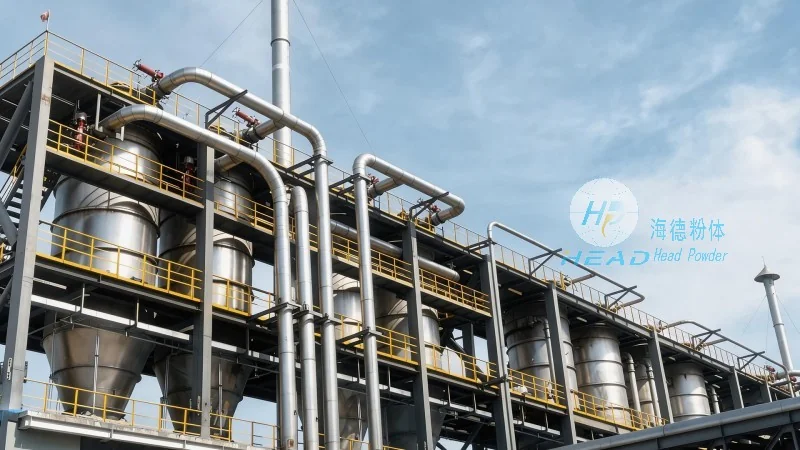
Conclusion
HeadPowder Engineering Co., Ltd. provides comprehensive solutions for tea material pneumatic conveying lines, combining advanced technology with practical design to meet the demands of modern tea processing industries. The working principle, which relies on air flow to transport materials efficiently, and the key features, including high efficiency, low degradation, and hygienic design, make these systems ideal for maintaining the quality and integrity of tea leaves. By choosing a pneumatic conveying line from HeadPowder, tea processing facilities can enhance their operational efficiency, reduce costs, and ensure consistent product quality. The company's commitment to innovation and customer satisfaction, as reflected in its location in Shandong, China, positions it as a leading provider in the field of pneumatic conveying systems for the tea industry.