

[WOKING PRINCIPLE AND FEATURES OF ZINC OXIDE MATERIAL PNEUMATIC CONVEYING EQUIPMENT]
HeadPowder, a leading manufacturer in the field of material handling solutions, specializes in the design and production of pneumatic conveying systems tailored for various industrial applications. This article focuses on the working principle and key features of a pneumatic conveying machine specifically engineered for zinc oxide material transport.
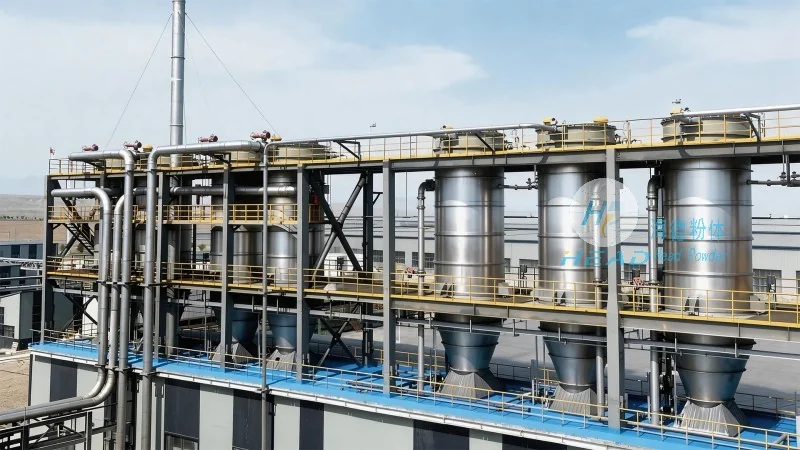
Introduction to Pneumatic Conveying Systems for Zinc Oxide
Zinc oxide is a widely used industrial material in sectors such as rubber, ceramics, and pharmaceuticals. Efficient and reliable material transport is crucial for maintaining production efficiency and product quality. Pneumatic conveying systems offer a non-contact, hygienic, and flexible method for moving zinc oxide and other powders. The equipment from Shandong HeadPowder Engineering Co., Ltd. is designed to meet the stringent requirements of modern industrial processes.
Working Principle of Zinc Oxide Pneumatic Conveying Machine
The pneumatic conveying machine operates on the principle of using compressed air to transport bulk materials through a pipeline system. The process involves several key components and steps that ensure smooth material transfer. First, the zinc oxide material is fed into the hopper or feeder unit. Then, compressed air is introduced into the system, creating a flow that lifts and propels the material through the pipeline. The machine utilizes a combination of positive and negative pressure zones to control the flow rate and direction of the material. The compressed air acts as the driving force, while the material is carried along in the air stream. The system is equipped with valves, filters, and pressure regulators to maintain optimal operating conditions and prevent material blockages or air leaks. The conveying process can be categorized into two main types: dilute phase and dense phase, each offering different advantages depending on the material characteristics and transport distance. The dilute phase system uses higher air velocities to transport material in a suspended state, suitable for shorter distances and less abrasive materials. The dense phase system, on the other hand, uses lower air velocities and higher material concentrations, providing better control over the material flow and reducing the risk of particle degradation.

Key Features of the Zinc Oxide Pneumatic Conveying Equipment
The pneumatic conveying machine from Shandong HeadPowder Engineering Co., Ltd. offers several distinct features that enhance its performance and suitability for zinc oxide handling. One of the primary features is its high efficiency in material transport, which minimizes downtime and improves overall production throughput. The system is designed with a robust and durable construction to withstand the abrasive nature of zinc oxide particles, ensuring long-term reliability. Additionally, the equipment incorporates advanced control systems that allow for precise regulation of air pressure and flow, enabling consistent material delivery. The hygienic design of the machine is particularly important for industries where product purity is critical, such as pharmaceuticals. The system also features easy maintenance and cleaning capabilities, reducing operational costs and downtime. Another notable feature is the flexibility of the pneumatic conveying system, which can be easily integrated with existing production lines and adapted to different process requirements. The equipment is manufactured with high-quality materials and adheres to international standards, ensuring compliance with safety and quality regulations. The machine also includes features like automatic shutdown in case of pressure or flow abnormalities, enhancing operational safety. The modular design allows for easy replacement of components, facilitating maintenance and reducing the time required for repairs.
Benefits of Using Pneumatic Conveying for Zinc Oxide Handling
Implementing a pneumatic conveying system for zinc oxide material transport offers numerous benefits for industrial operations. The primary advantage is the reduction in manual handling, which improves workplace safety and reduces the risk of material contamination. The non-contact transport method prevents product degradation and maintains the integrity of the zinc oxide particles, which is essential for applications where particle size and purity are critical. The system also provides a dust-free environment, enhancing workplace safety and reducing the need for additional dust control measures. Furthermore, the flexibility of the pneumatic conveying system allows for easy expansion or modification of the production line as business needs evolve. The energy efficiency of the system, particularly when optimized for low air consumption, contributes to cost savings and environmental sustainability. The consistent and reliable material flow ensures that production processes run smoothly without interruptions, leading to higher productivity and lower operational costs. Another benefit is the ability to transport materials over longer distances without the need for intermediate storage or handling, streamlining the overall production process. The system also reduces the risk of cross-contamination between different materials, which is vital in industries dealing with multiple product lines.
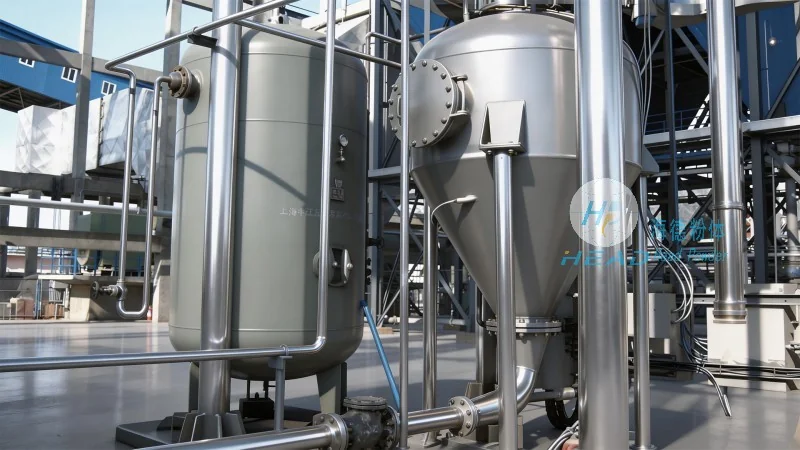
Application Scenarios and Performance Metrics
The pneumatic conveying machine is particularly well-suited for applications involving zinc oxide in various industrial settings. For example, in the rubber industry, zinc oxide is used as a curing agent and filler. The conveying system can efficiently transport the material from storage silos to the mixing and processing equipment, ensuring a steady supply without interruptions. In the ceramics industry, zinc oxide is used as a pigment and flux. The system helps maintain consistent material quality by preventing segregation and ensuring uniform distribution of the powder in the production process. The performance of the pneumatic conveying system is typically measured by parameters such as conveying capacity, pressure drop, and material velocity. The conveying capacity refers to the amount of material that can be transported per unit time, which is influenced by factors like air flow rate, material density, and pipeline diameter. The pressure drop across the system indicates the energy required to move the material and is a key factor in determining the efficiency of the system. The material velocity is the speed at which the material travels through the pipeline, which affects the risk of particle degradation and the overall system performance. The equipment from Shandong HeadPowder Engineering Co., Ltd. is designed to achieve optimal performance metrics, ensuring efficient and reliable transport of zinc oxide material.
Comparison with Traditional Conveying Methods
Pneumatic conveying systems offer several advantages over traditional conveying methods such as belt conveyors or screw conveyors when handling zinc oxide material. Traditional methods often involve direct contact with the material, which can lead to contamination and degradation of the product. In contrast, pneumatic conveying is a non-contact method that maintains the purity and quality of the zinc oxide. Additionally, pneumatic systems are more flexible and can be easily reconfigured to accommodate changes in production requirements. Traditional conveyors may require significant space and infrastructure, whereas pneumatic systems can be installed in a more compact manner. The hygienic design of pneumatic conveying equipment is particularly beneficial in industries where product safety is paramount, such as pharmaceuticals. The ability to transport materials in a closed system also reduces the risk of dust emissions and environmental contamination. However, pneumatic conveying systems may have higher energy consumption compared to some traditional methods, although advancements in technology have improved energy efficiency. The initial investment for pneumatic conveying equipment may be higher than for traditional conveyors, but the long-term benefits in terms of operational efficiency and product quality often justify the investment. The maintenance costs of pneumatic systems are generally lower due to fewer moving parts and less wear and tear compared to mechanical conveyors.
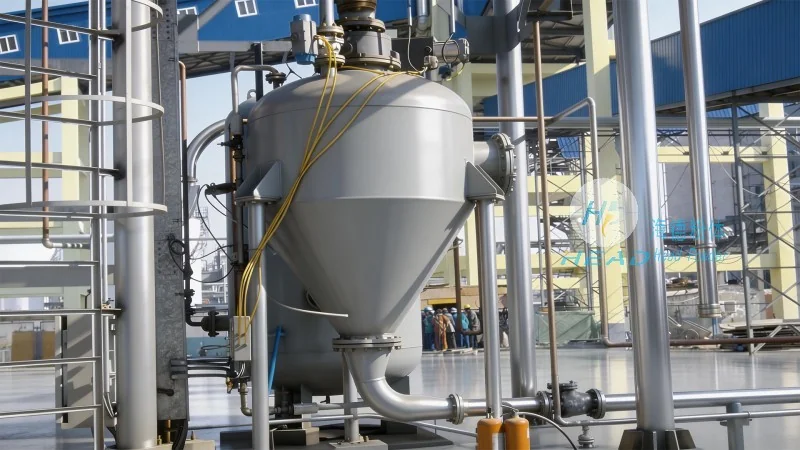
Future Developments and Technological Advancements
The field of pneumatic conveying technology is continuously evolving, with ongoing research and development aimed at improving the performance and efficiency of material handling systems. Future developments may include the integration of advanced sensors and automation technologies to enhance the control and monitoring of the conveying process. For example, real-time monitoring of material flow and air pressure can help optimize the system operation and prevent potential issues before they occur. The use of intelligent control systems can also enable predictive maintenance, reducing downtime and maintenance costs. Another area of development is the use of more efficient air compressors and energy recovery systems to further improve the energy efficiency of pneumatic conveying systems. The integration of digital twins and simulation technologies can help in the design and optimization of conveying systems before actual implementation, reducing the time and cost associated with development. Additionally, the development of more durable and corrosion-resistant materials for the conveying components can extend the service life of the equipment, especially when handling aggressive materials like zinc oxide. The trend towards sustainable and eco-friendly solutions may also lead to the adoption of greener materials and processes in the manufacturing of pneumatic conveying equipment. Overall, the future of pneumatic conveying systems looks promising, with continued advancements aimed at enhancing performance, efficiency, and sustainability.
Conclusion and Company Information
Shandong HeadPowder Engineering Co., Ltd., with its headquarters in China, is a trusted provider of advanced material handling solutions. The pneumatic conveying machine for zinc oxide material is a testament to the company's commitment to innovation and quality. By leveraging the working principle of pneumatic transport and incorporating key features such as durability, efficiency, and hygienic design, the equipment ensures optimal performance for zinc oxide handling. The company's expertise in engineering and manufacturing enables the production of customized solutions that meet the specific needs of various industries. For businesses seeking reliable and efficient material transport solutions for zinc oxide, the pneumatic conveying system from HeadPowder is an excellent choice. The company's dedication to customer satisfaction and product excellence makes it a leading choice in the industry. With a focus on continuous improvement and technological advancement, HeadPowder remains at the forefront of providing cutting-edge material handling solutions that meet the evolving needs of modern industrial applications.