

Principles and Application Scenarios of Alumina Pneumatic Conveying
Alumina, a critical material in various industrial applications, often requires efficient and reliable transportation methods. Pneumatic conveying, a technology that utilizes compressed air to move solid particles, has become a preferred solution for alumina handling. This article explores the fundamental principles of alumina pneumatic conveying and highlights its key application scenarios, providing insights into how this technology optimizes material transport in industrial settings.
Principles of Pneumatic Conveying for Alumina
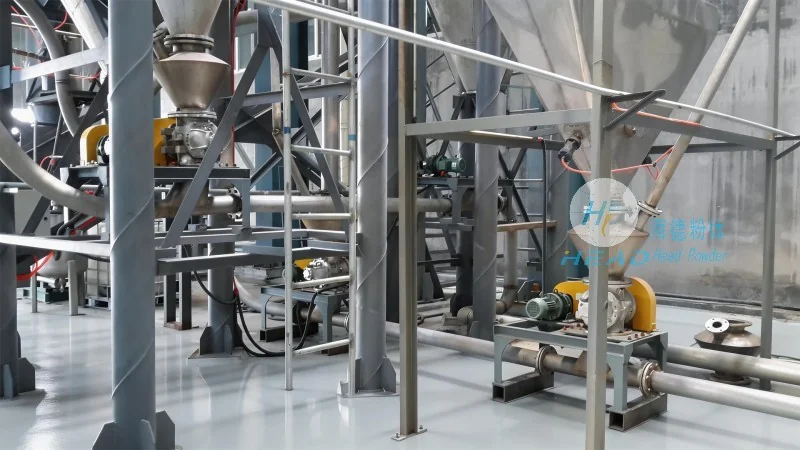
Pneumatic conveying operates on the principle of transporting bulk materials through a pipeline using a gas stream, typically air. In the case of alumina, which is a fine or coarse powder with specific physical properties, the system must be designed to handle these characteristics effectively. The core components of a pneumatic conveying system include a material feed hopper, a conveyor line, a gas source (usually a blower or compressor), and a discharge point. The process begins with the alumina being fed into the hopper, where it is then drawn into the conveyor line by the moving air. The air velocity within the pipeline is crucial; it must be sufficient to lift and transport the alumina particles without causing excessive wear or degradation. For alumina, which can be abrasive, the system design often incorporates features like smooth pipeline interiors and appropriate air pressure to minimize material degradation and equipment wear.
Key Application Scenarios of Alumina Pneumatic Conveying
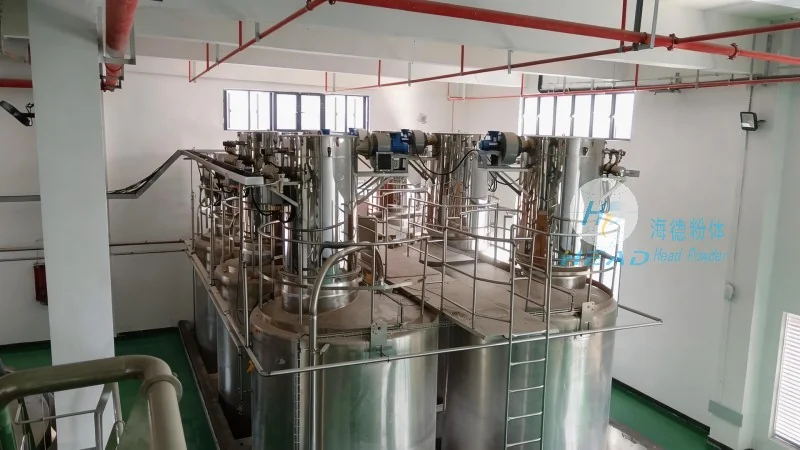
Alumina pneumatic conveying is widely used in several industrial sectors due to its ability to handle the material's unique properties. One primary application is in the aluminum smelting industry, where alumina is a key raw material. The system efficiently transports alumina from storage silos to the smelting furnaces, ensuring a continuous and controlled supply of raw material. Another significant application is in the ceramics and refractory industries, where alumina is used as a raw material for high-temperature applications. Pneumatic conveying allows for the precise and dust-free transport of alumina to production lines, maintaining product quality and reducing contamination risks. Additionally, in the chemical and pharmaceutical sectors, alumina is used as an adsorbent or catalyst support. The technology enables the safe and hygienic handling of alumina in these applications, adhering to strict quality and safety standards.
Factors Influencing Alumina Pneumatic Conveying Performance
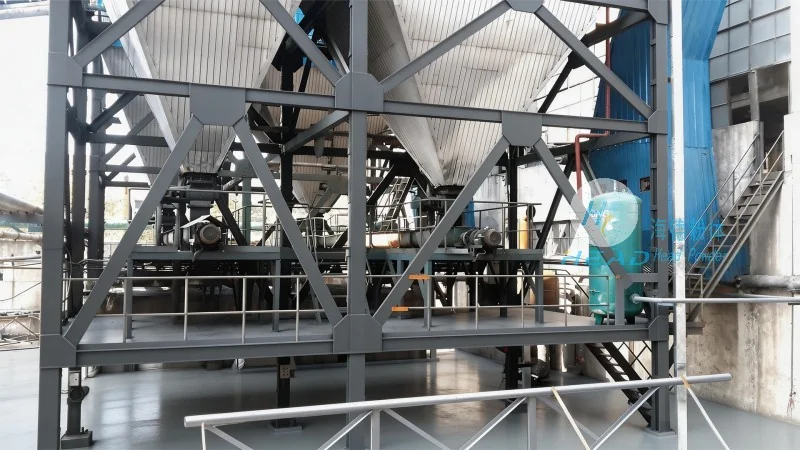
The effectiveness of alumina pneumatic conveying systems depends on several factors that must be carefully considered during design and operation. Particle size and density are critical parameters; finer alumina particles require higher air velocities to maintain suspension, while larger particles may need higher air pressure to ensure proper transport. The moisture content of the alumina also plays a role, as excess moisture can lead to caking or blockages in the pipeline. System pressure and air flow rate are adjusted based on these factors to achieve optimal conveying efficiency. Furthermore, the material's abrasiveness necessitates the use of durable materials for pipeline and component construction, such as stainless steel or special coatings, to extend equipment lifespan and reduce maintenance costs.
Advantages of Alumina Pneumatic Conveying Systems
Compared to traditional bulk material handling methods like belt conveyors or bucket elevators, alumina pneumatic conveying offers several advantages. One of the most significant benefits is the ability to transport materials in a closed system, which minimizes dust emissions and improves workplace safety. This is particularly important for alumina, which can be a respiratory hazard if inhaled. The closed system also helps maintain product purity, preventing contamination from external sources. Another advantage is the flexibility of the system, as it can be easily integrated into existing production lines or reconfigured to handle different material types or quantities. The system's compact design allows for space-saving installations, making it suitable for facilities with limited floor space. Additionally, pneumatic conveying can handle both dry and slightly moist alumina, providing versatility in material handling.
Company Overview: Shandong HeadPowder Engineering Co., Ltd.
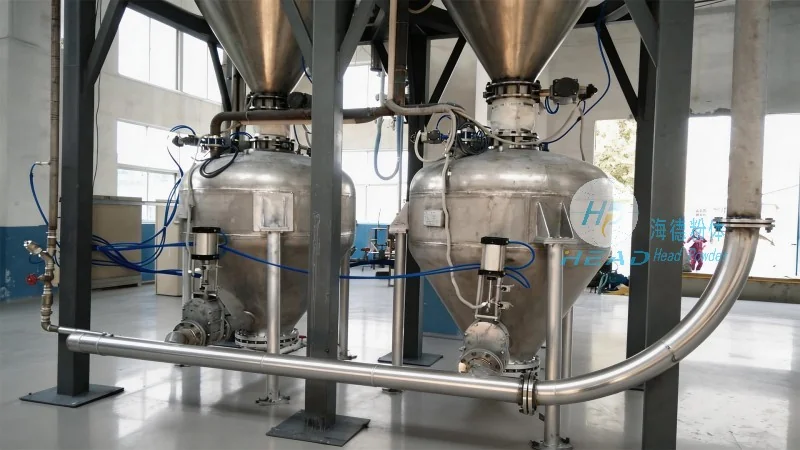
Shandong HeadPowder Engineering Co., Ltd., a leading provider of material handling solutions, specializes in designing and manufacturing pneumatic conveying systems tailored to the needs of industries handling alumina and other bulk materials. With a focus on innovation and quality, the company has developed advanced systems that optimize alumina transport while ensuring operational efficiency and safety. HeadPowder's expertise in material flow dynamics and system integration enables the creation of customized solutions that meet the specific requirements of clients in the aluminum, ceramics, and chemical industries. The company's facilities are located in Shandong, China, where it leverages local resources and expertise to deliver high-quality products and services to a global market.