

Principles and Application Scenarios of Pneumatic Conveying for Soybean Feed
Pneumatic conveying systems are widely utilized in the feed industry, particularly for handling soybean-based feed materials. This technology offers an efficient and hygienic method for transporting bulk materials like soybean meal and other feed components. The core principle of pneumatic conveying involves using air to move particles through a pipeline, eliminating the need for mechanical components such as belts or buckets in traditional conveying methods.
Principles of Pneumatic Conveying
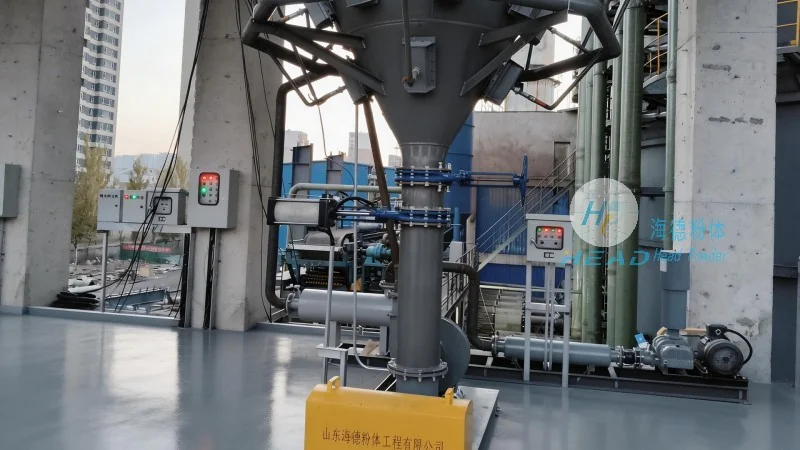
The fundamental principle of pneumatic conveying is based on fluid dynamics and air pressure. As air is introduced into the conveying line, it creates a flow that lifts and transports the solid particles. There are two main types of pneumatic conveying: dilute phase and dense phase. Dilute phase systems operate at higher air velocities, suitable for short distances and lighter materials, while dense phase systems use lower air velocities and higher pressure to move materials more gently, reducing product degradation and wear on equipment.
Key Components of Pneumatic Conveying Systems
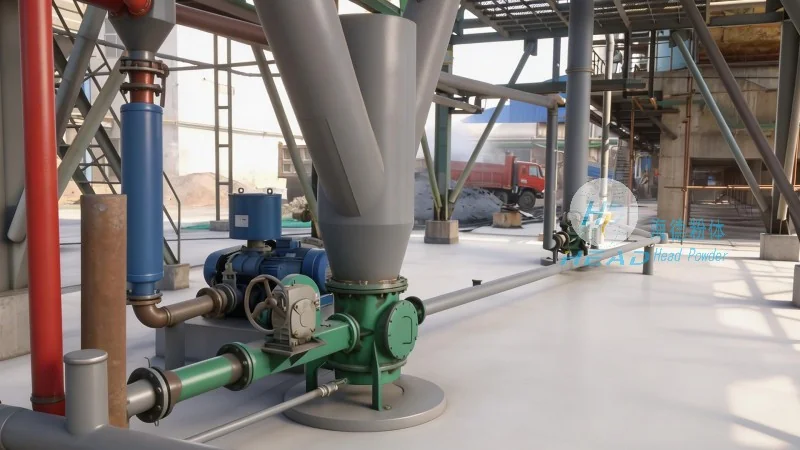
Typical pneumatic conveying systems consist of several key components, including a material feeder, a blower or compressor, conveying lines, and a discharge device. The material feeder ensures a consistent flow of soybean feed into the system, while the blower provides the necessary air pressure to move the material. Conveying lines are designed to withstand the pressure and wear from the material and air, often made of stainless steel or other corrosion-resistant materials. The discharge device, such as a rotary valve or a dust collector, controls the release of the material at the destination point.
Application Scenarios in Soybean Feed Production
In the context of soybean feed production, pneumatic conveying is commonly used in several key processes. For instance, after soybeans are processed into meal or cake, the material needs to be transported from storage silos to mixing and extrusion lines. Pneumatic systems efficiently handle this transfer, maintaining the quality of the feed by preventing contamination and moisture absorption. Additionally, in large-scale feed mills, pneumatic conveying is used to move raw materials from receiving areas to storage silos, ensuring a smooth and continuous production flow.
Advantages of Pneumatic Conveying for Soybean Feed
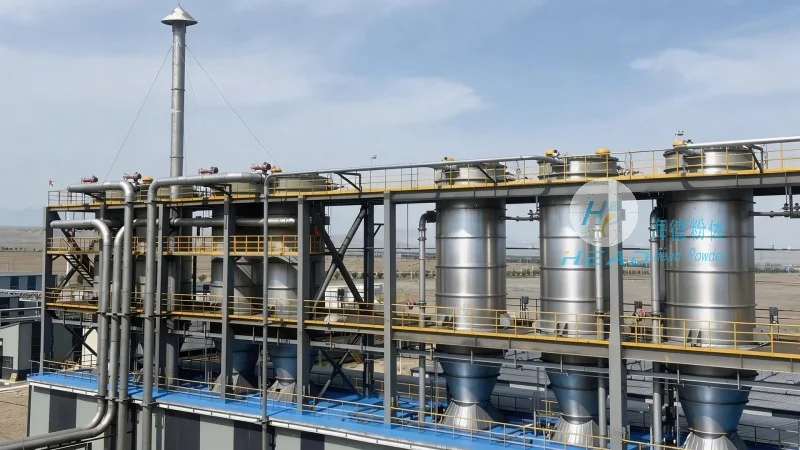
There are several advantages that make pneumatic conveying an ideal choice for soybean feed applications. Firstly, it offers a hygienic and closed system, which is crucial for feed production to prevent contamination from external sources. Secondly, it reduces labor costs by automating the material handling process, as there is no need for manual loading or unloading. Thirdly, pneumatic systems are flexible and can be easily integrated into existing production lines, allowing for adjustments in conveying capacity and distance. Finally, they provide a cost-effective solution compared to traditional methods, especially for large-scale operations.
Challenges and Considerations
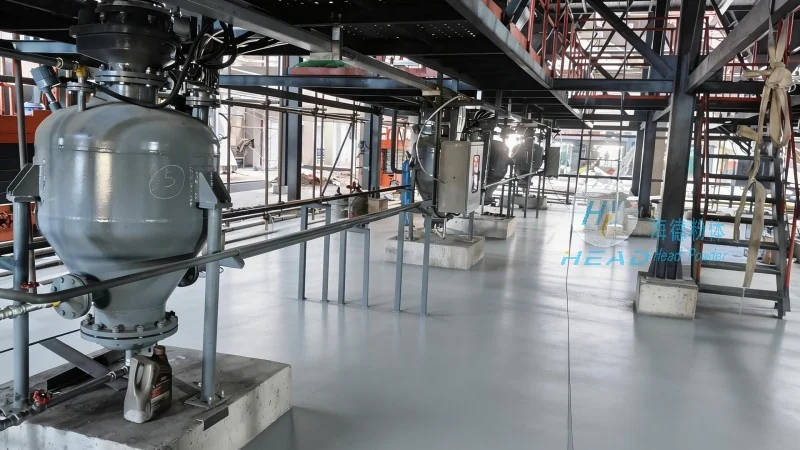
While pneumatic conveying offers numerous benefits, there are also challenges to consider. One of the main challenges is the potential for material degradation due to high air velocities, which can cause abrasion and heat generation. To mitigate this, dense phase systems are often preferred for sensitive materials like soybean meal. Another consideration is the maintenance of the system, as components such as blower motors and conveying lines require regular inspection and replacement to ensure optimal performance. Additionally, the initial investment cost for pneumatic conveying systems can be higher than traditional methods, though the long-term savings in labor and material quality often justify the expense.
Conclusion and Company Overview
Pneumatic conveying is a vital technology in the soybean feed industry, providing efficient, hygienic, and flexible solutions for material handling. As a leading provider in this field, Shandong HeadPowder Engineering Co., Ltd. specializes in designing and manufacturing customized pneumatic conveying systems tailored to the specific needs of feed producers. With a focus on quality and innovation, HeadPowder ensures that their systems meet the highest standards for performance and durability, helping feed mills optimize their production processes and maintain product quality. Based in Shandong, China, HeadPowder leverages its expertise to deliver reliable solutions that enhance the efficiency and profitability of soybean feed operations worldwide.