

Principle and Working Scene Characteristics of Glass Fiber Powder Pneumatic Conveying Equipment
HeadPowder, a leading manufacturer based in Shandong, China, specializes in the design and production of advanced pneumatic conveying systems tailored for glass fiber powder handling. This article delves into the fundamental principles of such equipment and highlights key characteristics of its operational environments.
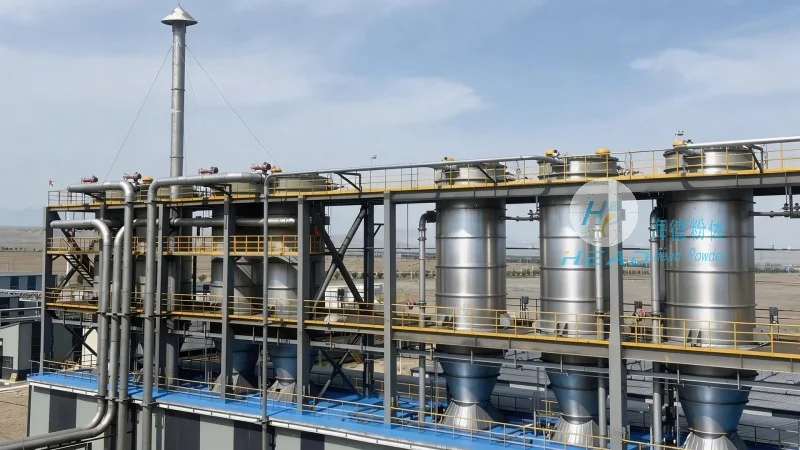
Company Overview
HeadPowder Engineering Co., Ltd. is a professional enterprise dedicated to providing high-quality pneumatic conveying solutions. With a strong focus on innovation and precision engineering, the company has established itself as a trusted partner in the industry. HeadPowder operates from its headquarters in Shandong, China, where it leverages local expertise and resources to develop cutting-edge equipment for diverse industrial applications.
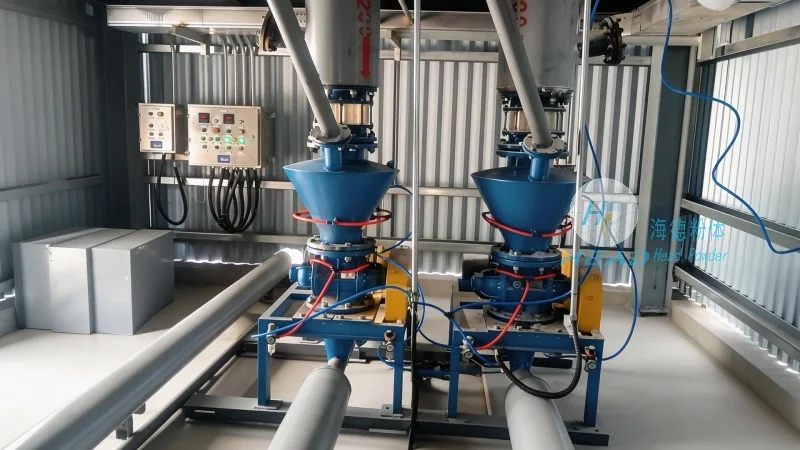
Principle of Pneumatic Conveying for Glass Fiber Powder
The core principle of pneumatic conveying systems for glass fiber powder involves transporting bulk materials through a pipeline using a pressurized or vacuum air stream. This method eliminates the need for mechanical components like belts or buckets, offering a more efficient and hygienic solution for handling fine powders. The system typically consists of a hopper, a conveyor line, and a control unit. The glass fiber powder is fed into the hopper, and then air is introduced to create a flow that moves the powder through the pipeline to the destination. The design ensures minimal product degradation and contamination, which is crucial for maintaining the quality of glass fiber materials.
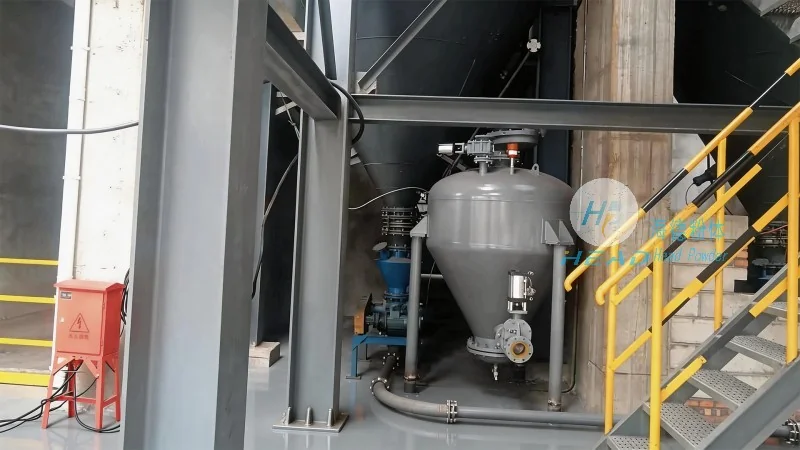
Working Scene Characteristics
The operational environments for glass fiber powder pneumatic conveying equipment vary based on the specific application and industrial setting. Key characteristics include:
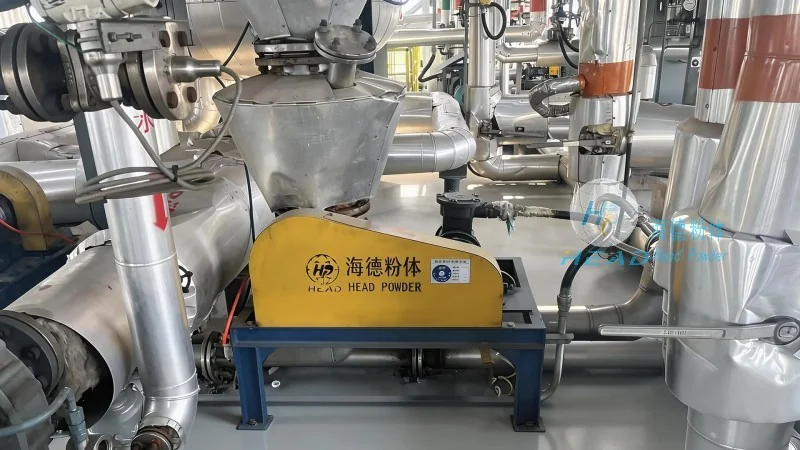
- Industrial Manufacturing Plants: In factories producing glass fiber products, such as textiles or composites, the equipment is used to transport raw powder from storage silos to processing lines. The high-speed air flow ensures rapid and reliable material transfer, supporting continuous production processes.
- Construction and Building Materials Sector: For applications involving glass fiber reinforcement in construction materials, the system efficiently conveys the powder to mixing stations or production lines. The ability to handle large volumes with minimal downtime is essential in construction projects where material availability impacts project timelines.
- Research and Development Laboratories: In R&D settings, the equipment provides a controlled environment for handling small quantities of glass fiber powder, allowing for precise experiments and material testing. The clean and efficient design helps maintain laboratory standards and ensures safety during handling.
Advantages in Different Operational Scenarios
Each working scene presents unique challenges, and the characteristics of the pneumatic conveying equipment are tailored to address these. For instance, in high-temperature environments, the system may incorporate heat-resistant materials to prevent degradation of the glass fiber powder. In environments with strict dust control requirements, the equipment is designed with sealed components to minimize particle dispersion and comply with safety regulations. The adaptability of the system ensures it can operate effectively across diverse industrial settings, from large-scale manufacturing to specialized laboratory applications.