

Principle and Working Scene Characteristics of Corundum Pneumatic Conveying Lines
Corundum, a high-purity aluminum oxide mineral, is widely utilized across diverse industrial sectors due to its exceptional hardness, chemical inertness, and thermal stability. The pneumatic conveying line for corundum represents a specialized engineering solution designed to transport this abrasive material with precision and efficiency. This article delves into the fundamental principles governing such systems and outlines the key operational characteristics of their application environments, providing insights into how these systems optimize material handling in industrial processes.
The Core Principle of Pneumatic Conveying Technology
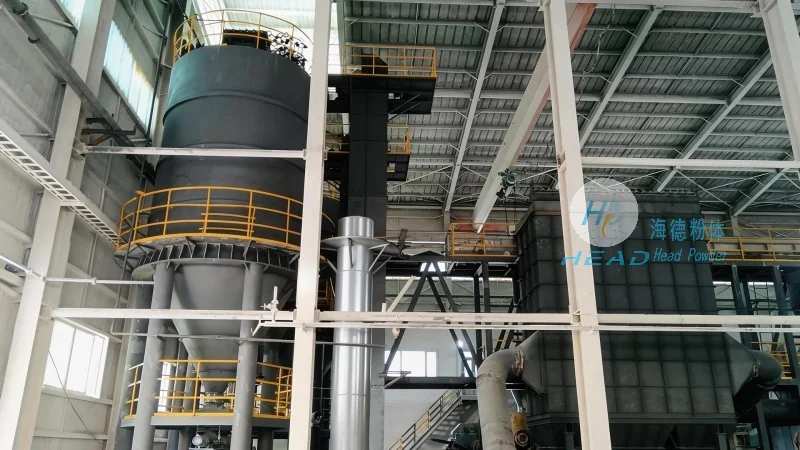
Pneumatic conveying operates on the principle of transporting solid particles through a pipeline using a pressurized gas, typically air or a mixture of air and other gases. In the context of corundum, the system leverages compressed air to create a flow that carries the solid particles from a source to a destination. The process integrates several critical components: a material storage hopper, a controlled feeder to regulate the flow rate, a conveying pipeline (often constructed from corrosion-resistant materials like stainless steel or specialized alloys to withstand abrasion), and a receiving or collection unit at the endpoint. The air pressure and flow rate are meticulously managed to ensure the material is transported without excessive wear on equipment and with minimal degradation of particle quality.
Key Operational Characteristics of Corundum Pneumatic Conveying Lines
The operational environment of a corundum pneumatic conveying system is defined by several critical factors that influence its design and performance. These characteristics include:
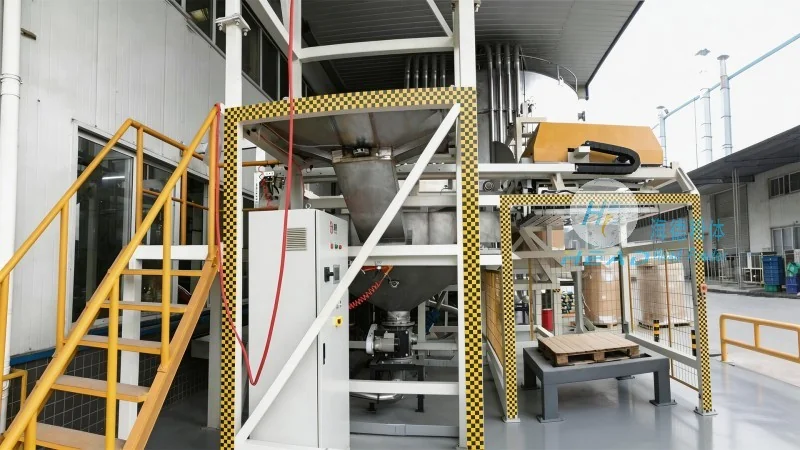
- Material Properties and Handling: Corundum particles typically range from fine to medium in size, with high density and hardness. This necessitates the use of wear-resistant components and reinforced pipelines to prevent damage from abrasive contact.
- Purity Maintenance: The system is engineered to preserve the purity of the corundum, which is vital in applications like refractory production where even minor impurities can compromise product quality. This is achieved through enclosed systems and filtration mechanisms.
- Environmental and Safety Compliance: Pneumatic conveying systems are often enclosed to control dust emissions, aligning with industrial safety regulations and environmental standards. The design may incorporate dust collection and filtration systems to ensure worker safety and regulatory compliance.
- Integration with Production Processes: These conveying lines are commonly integrated into larger manufacturing workflows, such as in the production of abrasive tools, ceramics, or high-performance materials. The system must be compatible with existing equipment and capable of handling varying throughput requirements.
Common Application Scenarios
Corundum pneumatic conveying systems are widely employed in industrial settings where the material needs to be moved between different stages of production. Notable application scenarios include:
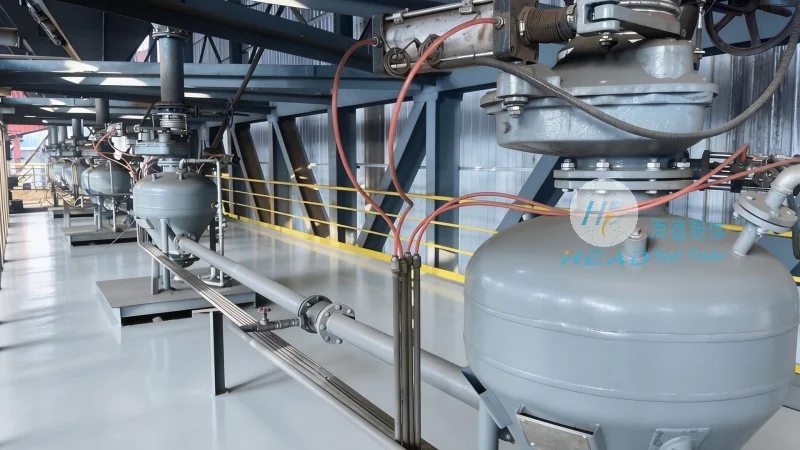
- Refractory Manufacturing: In the production of refractory bricks, castables, or other high-temperature materials, corundum serves as a primary raw material. The pneumatic system efficiently transports the powder from storage to mixing and molding equipment, ensuring consistent material handling and reducing manual labor.
- Abrasive Product Production: For manufacturing grinding wheels, sandpaper, or other abrasive tools, the system delivers corundum to the mixing and shaping stages. The ability to handle fine particles without clogging is essential for maintaining product quality and reducing downtime.
- Ceramic Industry: In the production of high-purity ceramics, corundum is used as a filler or reinforcing agent. The conveying line ensures that the material is delivered to the kiln or mixing area with minimal loss or contamination, critical for achieving uniform product characteristics.
Advantages Over Traditional Conveying Methods
Compared to conventional mechanical conveying systems, corundum pneumatic conveying lines offer several distinct advantages that make them preferable for handling abrasive materials:
- Reduced Equipment Wear: By utilizing air to transport particles, the system minimizes direct contact between materials and equipment, significantly reducing wear on pipelines and components.
- Efficient High-Volume Handling: The system can manage large volumes of material with minimal downtime, enhancing overall production efficiency and throughput.
- Flexible Layout Adaptability: Pneumatic conveying allows for more flexible pipeline configurations, enabling the system to be adapted to existing factory layouts without major structural modifications.
- Enhanced Safety and Environmental Control: Enclosed systems help contain dust and prevent the release of harmful particles into the workplace, improving safety for operators and reducing environmental impact.
Conclusion
Corundum pneumatic conveying lines are indispensable for efficiently and safely handling this critical industrial material. By understanding the core principles and operational characteristics of these systems, manufacturers can optimize their processes, ensure consistent product quality, and enhance operational efficiency. With advancements in material science and engineering, these systems continue to evolve, providing even more reliable and sustainable solutions for the transportation of corundum in various industrial applications. The integration of such systems reflects a commitment to precision, safety, and productivity in modern manufacturing processes.