

Principle and Working Scene Characteristics of Borax Granule Pneumatic Conveying Lines
HeadPowder, a leading provider in the field of material handling solutions, specializes in the design, manufacturing, and installation of advanced pneumatic conveying systems. This article focuses on the principle and working scene characteristics of borax granule pneumatic conveying lines, offering insights into how these systems efficiently transport borax granules in industrial settings.
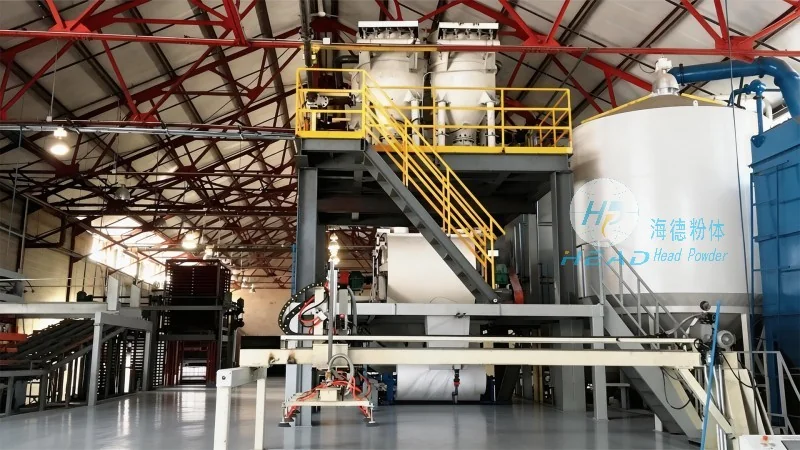
Introduction to Borax Granule Pneumatic Conveying Lines
Borax granule pneumatic conveying lines are sophisticated systems engineered to transport granular borax materials through an air-driven process. These systems are widely used in industries where the reliable and efficient movement of bulk materials is critical. The technology behind these lines combines the principles of fluidization, air pressure, and material flow dynamics to ensure seamless operation.
The Core Principle of Pneumatic Conveying
The fundamental principle of pneumatic conveying for borax granules involves creating a high-velocity air stream that lifts and propels the granules through a pipeline. This process is typically achieved using either positive pressure or negative pressure systems. In a positive pressure system, air is blown into the conveying line, pushing the material forward. Conversely, a negative pressure system draws the material into the line using a vacuum. The choice between these systems depends on factors such as the distance of material transport, the nature of the material, and the desired system efficiency.
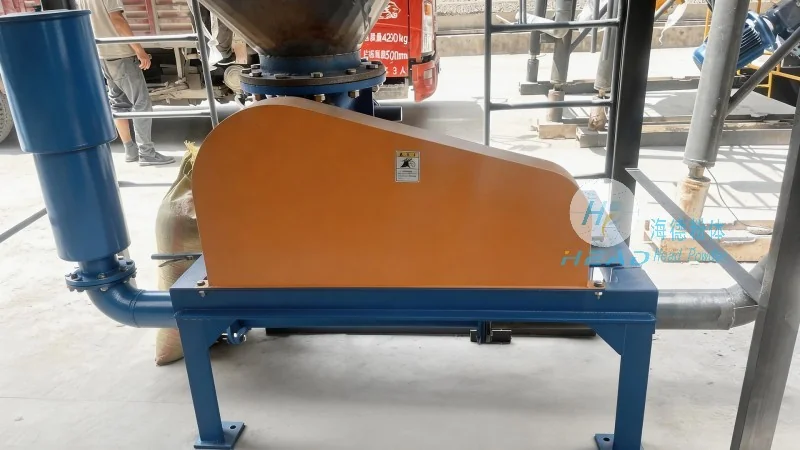
Key Components and Their Functions
Several critical components make up a borax granule pneumatic conveying line. These include the material feed hopper, which holds the borax granules and regulates the flow into the system; the air compressor or vacuum pump, which generates the necessary air pressure or vacuum; the conveying pipeline, which transports the material; and the receiver or discharge hopper, where the material is collected. Each component plays a vital role in ensuring the system operates smoothly and efficiently.
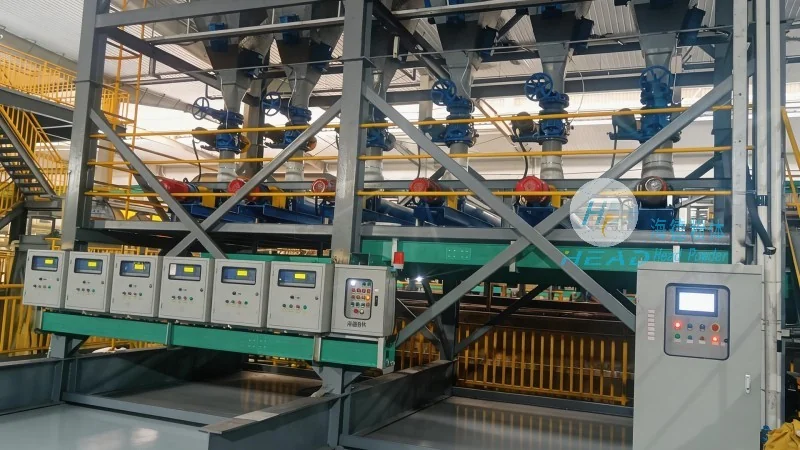
Working Scene Characteristics of Borax Granule Pneumatic Conveying Lines
The working scene characteristics of borax granule pneumatic conveying lines are tailored to meet the specific demands of industrial applications. These systems are commonly employed in settings such as chemical plants, pharmaceutical manufacturing facilities, and mining operations where borax is processed or used as an ingredient. The characteristics include high material throughput, minimal material degradation, and the ability to handle varying particle sizes and moisture content. Additionally, these systems are designed to be compact and adaptable, allowing them to fit into existing industrial layouts without significant modifications.
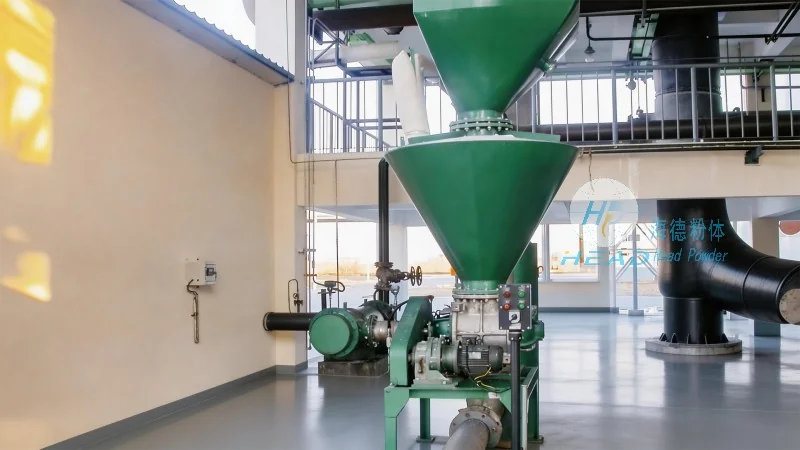
Advantages and Applications
Borax granule pneumatic conveying lines offer numerous advantages over traditional bulk material handling methods. These include reduced labor costs, improved safety by eliminating manual handling, and enhanced process control. The systems are particularly suitable for applications requiring continuous material flow, such as in the production of borax-based products or in the supply chain of chemical raw materials. The ability to transport materials over long distances without the need for intermediate storage or handling points further enhances their utility in large-scale industrial operations.
Conclusion
HeadPowder's expertise in designing and implementing borax granule pneumatic conveying lines ensures that industrial facilities can achieve efficient, reliable, and safe material handling. By understanding the core principles and working scene characteristics of these systems, businesses can optimize their operations and improve overall productivity. The integration of advanced technology and tailored solutions by HeadPowder makes these systems an essential component in modern industrial material handling strategies.