

Principle and Working Scene Characteristics of Monocrystalline Silicon Pneumatic Conveying Machines
HeadPowder, a leading manufacturer based in Shandong, China, specializes in the design and production of advanced pneumatic conveying systems tailored for the monocrystalline silicon industry. This article explores the fundamental principles behind these systems and highlights the key working scene characteristics that make them indispensable in modern silicon processing facilities.
Understanding the Core Principle of Monocrystalline Silicon Pneumatic Conveying
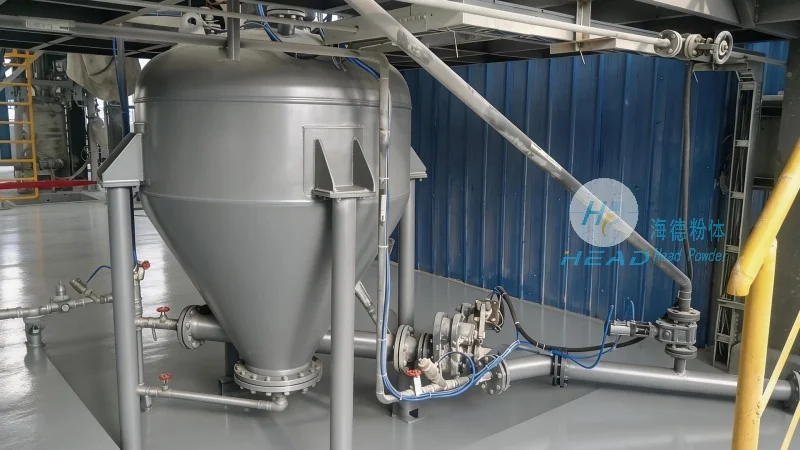
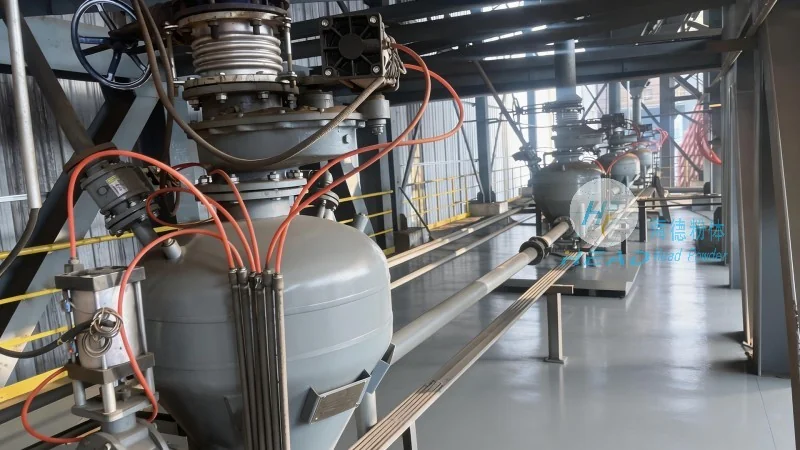
The core principle of monocrystalline silicon pneumatic conveying systems involves the use of compressed air or other gases to transport solid materials, such as monocrystalline silicon particles, through a pipeline network. Unlike traditional mechanical conveyors, pneumatic systems rely on air flow to move materials, which is particularly advantageous for handling delicate or abrasive materials like silicon wafers and their raw powders. The system typically consists of a hopper, a rotary valve, a conveying line, and a dust collector. The material is fed into the hopper, then discharged into the conveying line via the rotary valve. Compressed air is introduced at the discharge end, creating a high-velocity air stream that propels the material forward. This method ensures efficient, dust-free, and low-maintenance material transport, minimizing product contamination and damage.

Key Working Scene Characteristics of Monocrystalline Silicon Pneumatic Conveying Systems
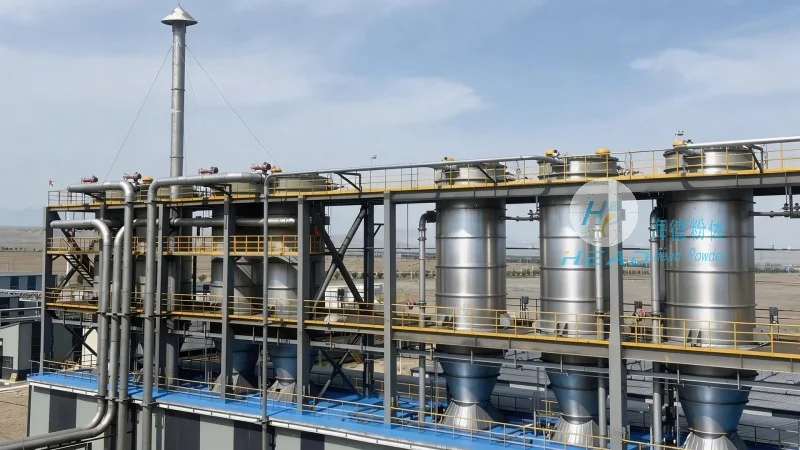
HeadPowder's monocrystalline silicon pneumatic conveying systems are engineered to meet the specific demands of various industrial applications within the silicon industry. These systems are commonly used in scenarios such as raw material handling, wafer processing, and product packaging. In raw material handling, the systems efficiently transport silicon powders from storage silos to production lines, ensuring consistent material flow and reducing downtime. During wafer processing, the pneumatic conveyors safely move finished wafers or intermediate products between different stages of the manufacturing process, maintaining product integrity and preventing scratches or breakage. For product packaging, the systems can handle finished silicon products, such as ingots or wafers, with precision, enabling automated and efficient packaging operations. The working scene characteristics also include high reliability and adaptability, as these systems can be customized to accommodate different material sizes, flow rates, and environmental conditions. Additionally, the systems are designed for easy integration with existing production lines, minimizing installation time and costs.
Advantages and Practical Applications in Silicon Processing
By leveraging the principles of pneumatic conveying, HeadPowder's systems offer several advantages that are critical for modern silicon processing. These include reduced material handling costs, improved safety through enclosed systems, and enhanced product quality due to minimal contamination. The systems are also energy-efficient, as they use less power compared to mechanical conveyors, which is beneficial for large-scale operations. In practical applications, these systems are widely used in solar panel manufacturing, semiconductor production, and high-purity silicon production facilities. The adaptability of the systems allows them to handle different types of monocrystalline silicon, from raw powders to finished wafers, making them a versatile solution for various stages of the silicon value chain. Furthermore, the systems are designed with durability in mind, using high-quality materials that can withstand the abrasive nature of silicon particles, ensuring long-term performance and low maintenance requirements.