

Principles and Operational Characteristics of Continuous Quantitative Pneumatic Conveying System Equ
HeadPowder, a leading manufacturer based in Shandong, China, specializes in the design and production of advanced continuous quantitative pneumatic conveying systems. These systems represent a sophisticated solution for the efficient and precise handling of bulk powders and granular materials across various industrial applications.
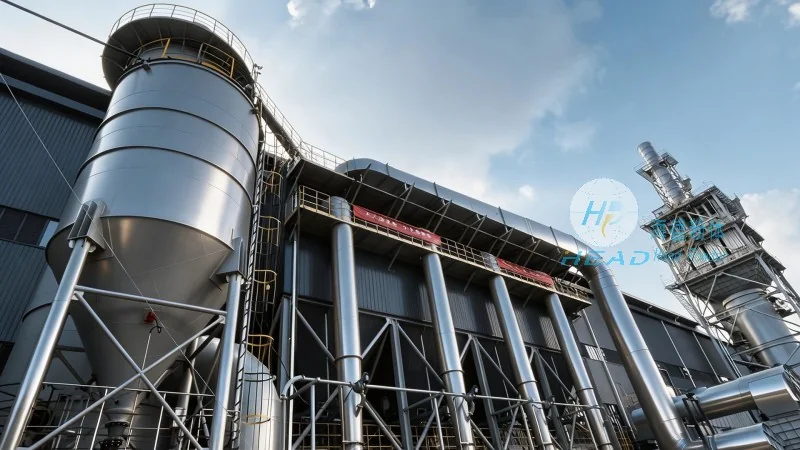
Introduction to Continuous Quantitative Pneumatic Conveying Systems
Continuous quantitative pneumatic conveying systems are engineered to transport bulk materials through a pipeline using compressed air as the primary motive force. Unlike traditional batch or intermittent systems, these systems maintain a consistent flow rate, ensuring precise and continuous material delivery. The technology integrates advanced control mechanisms to regulate the quantity of material conveyed, making it ideal for processes requiring high accuracy and reliability.
Core Principles of Operation
The fundamental principle of operation involves the creation of a low-pressure or high-pressure air stream within a pipeline. The material to be conveyed is introduced into the system at a controlled rate, typically via a hopper or feeder. As the air flows through the pipeline, it entrains the material particles, lifting and transporting them to the destination point. The system's quantitative control is achieved through sophisticated sensors and actuators that adjust the air flow and material feed rate in real-time, ensuring the desired flow rate is maintained.
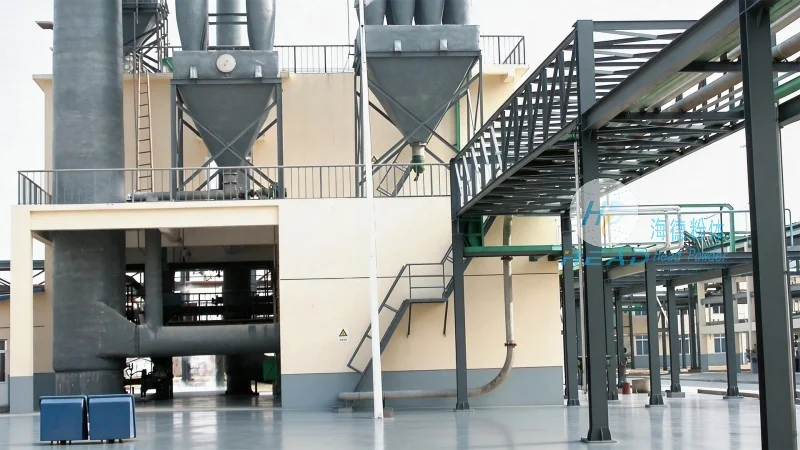
Key Operational Characteristics in Different Scenarios
In industrial settings, the performance of these systems is influenced by several factors, including the type of material being handled, the system's pressure, and the distance of transport. For example, in high-temperature or corrosive environments, specialized materials are used for the pipeline and components to ensure durability and safety. The system's ability to handle a wide range of particle sizes and densities is another critical characteristic, as it allows for flexibility in processing diverse materials. Additionally, the continuous operation mode minimizes downtime and enhances overall productivity compared to batch systems.
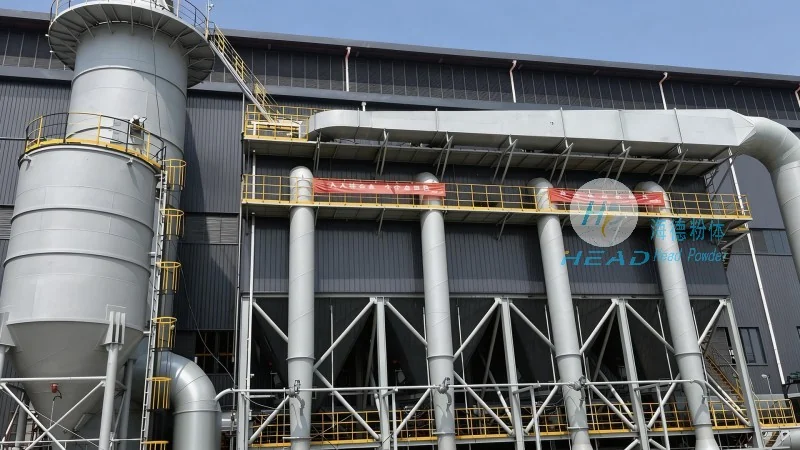
Application Scenarios and Practical Implications
Continuous quantitative pneumatic conveying systems are widely used in sectors such as chemical manufacturing, food processing, pharmaceuticals, and mining. In chemical plants, they are employed to transport raw materials like powders and granules to reactors and processing units, ensuring a steady supply for continuous production. In the food industry, these systems are crucial for handling ingredients like flour, sugar, and spices, maintaining hygiene and preventing contamination. The pharmaceutical sector benefits from the system's ability to handle sensitive materials with minimal exposure to air, ensuring product quality and compliance with regulatory standards. In mining operations, the technology is used to transport ore and other bulk materials from processing facilities to storage or further processing sites, improving operational efficiency.
Advantages and Technical Considerations
One of the primary advantages of continuous quantitative pneumatic conveying systems is their ability to provide precise control over material flow, which is essential for maintaining consistent product quality and process efficiency. The system's compact design and minimal space requirements make it suitable for installation in existing industrial facilities. However, proper maintenance and regular inspection are necessary to ensure optimal performance and prevent issues such as blockages or air leaks. The choice of air pressure and system configuration must be carefully evaluated based on the specific material properties and operational requirements to achieve the best results.