

Principles and Working Scene Characteristics of Potash Fertilizer Powder Conveying
HeadPowder, a leading provider of specialized engineering solutions, specializes in the design and implementation of efficient systems for potash fertilizer powder conveying. This article explores the fundamental principles underlying such systems and highlights the key characteristics of their operational environments.
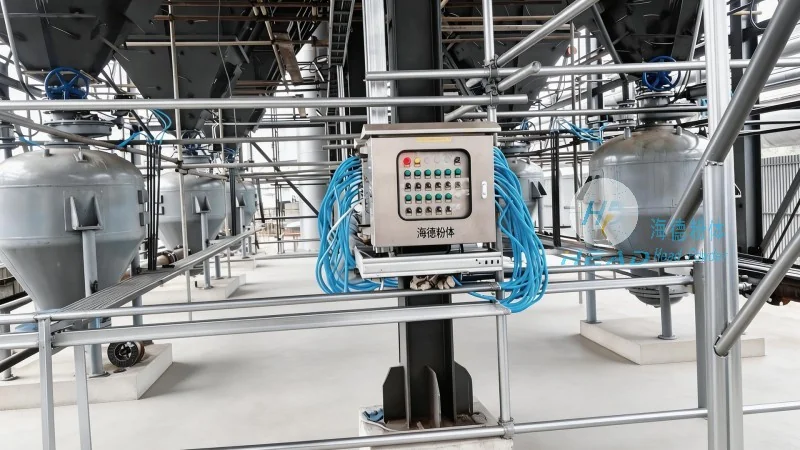
Understanding the Core Principles of Potash Fertilizer Powder Conveying
Potash fertilizer, a critical component in modern agriculture, is typically delivered in a fine powder form. The effective transportation of this material from storage to application points requires specialized equipment and methodologies to ensure safety, efficiency, and minimal material loss. The primary principles of potash fertilizer powder conveying revolve around managing the physical properties of the powder, such as its particle size, moisture content, and flowability, while minimizing the risk of caking or agglomeration. These principles are crucial for maintaining the quality of the fertilizer and ensuring consistent performance across different operational conditions.
One of the most common methods for potash fertilizer powder conveying is pneumatic conveying, which uses air or gas to transport the material through a pipeline. This technique is particularly effective for handling fine powders and can be adapted to various distances and heights. The system typically includes a hopper for material storage, a feeder to control the flow rate, a conveyor line with appropriate ductwork, and a receiver at the destination. The selection of the conveying system depends on factors like the volume of material to be moved, the distance between source and destination, and the required speed of delivery. For instance, low-pressure systems are suitable for short distances and moderate flow rates, while high-pressure systems are used for longer distances and higher capacities.
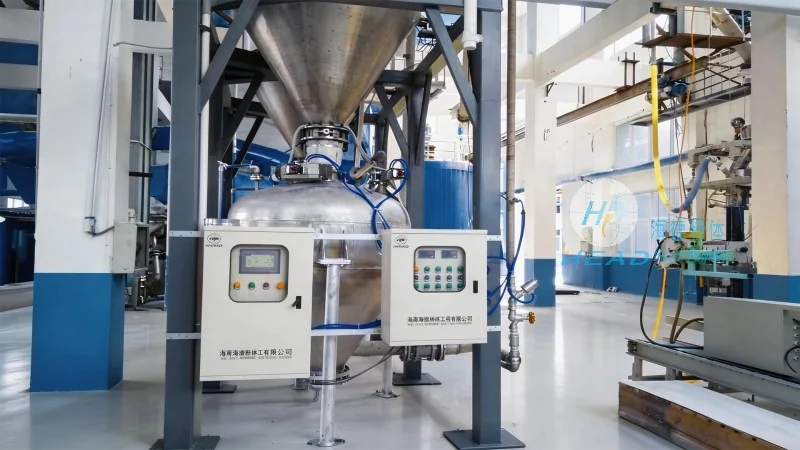
Key Working Scene Characteristics of Potash Fertilizer Powder Conveying Systems
The operational environments for potash fertilizer powder conveying systems vary significantly based on the application and scale of the operation. In agricultural settings, these systems are often integrated into large-scale farming operations or fertilizer distribution centers, where the goal is to efficiently distribute the fertilizer to fields or storage facilities. The working scenes in such environments are characterized by high-volume, continuous operation and the need for reliable, low-maintenance equipment. The systems must be designed to handle the specific characteristics of potash fertilizer, including its potential to absorb moisture from the air, which can lead to caking and blockages if not properly managed.
In industrial applications, potash fertilizer powder conveying systems may be part of larger manufacturing or processing plants. Here, the focus is often on integrating the conveying process with other production steps, such as blending, packaging, or further processing. The working scenes in industrial settings are typically more complex, involving multiple stages of material handling and requiring precise control over the flow and quality of the fertilizer. For example, in a fertilizer production plant, the conveying system may need to transport the potash from a storage silo to a blending unit, where it is mixed with other nutrients before being packaged for distribution.
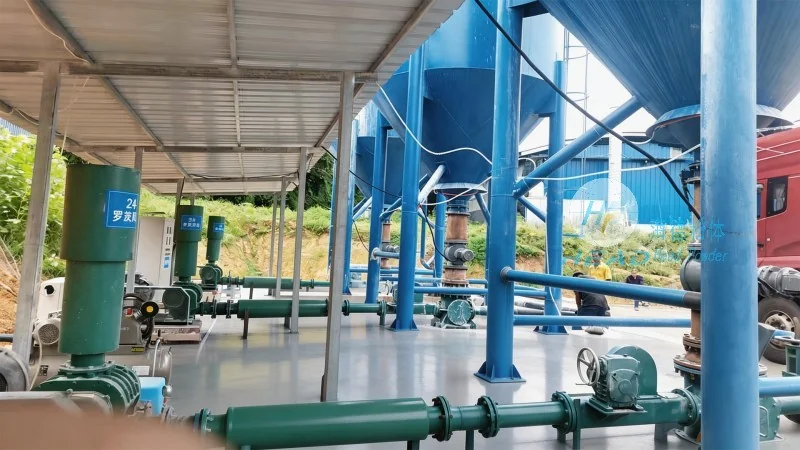
Technical Considerations and System Design for Optimal Performance
Effective potash fertilizer powder conveying systems require careful consideration of several technical factors to ensure optimal performance and longevity. Material handling equipment must be constructed from materials that are resistant to corrosion and wear, as potash fertilizer can be abrasive and may contain chemicals that could degrade certain metals. The design of the system must also account for the potential for dust generation, as fine powders can create hazardous conditions if not properly contained. Dust control measures, such as sealing the system and using appropriate filtration, are essential to maintain a safe working environment and comply with environmental regulations.
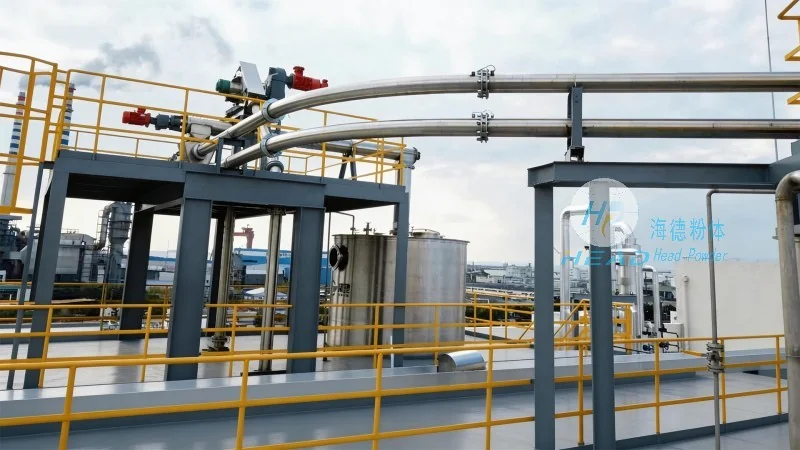
Another critical aspect of system design is the control of moisture content. Potash fertilizer is hygroscopic, meaning it readily absorbs moisture from the air, which can lead to caking and reduced flowability. To mitigate this, systems often include drying or dehumidification components, such as desiccant beds or heated air streams, to maintain the material in a dry state. Additionally, the use of anti-caking agents or the incorporation of additives during the manufacturing process can help improve the flow properties of the fertilizer, making it easier to convey without blockages.
Conclusion: The Importance of Specialized Engineering Solutions
HeadPowder Engineering Co., Ltd., based in Shandong, China, offers comprehensive solutions for potash fertilizer powder conveying, leveraging advanced engineering principles and practical experience to meet the diverse needs of agricultural and industrial clients. By understanding the unique properties of potash fertilizer and the specific requirements of each working scene, their systems are designed to deliver reliable, efficient, and safe material handling solutions. Whether for large-scale farming operations or complex industrial processes, the principles and characteristics outlined in this article underscore the importance of specialized engineering in optimizing potash fertilizer powder conveying.