

Principle and Working Scene Characteristics of Calcium Sulfate Powder Conveying Systems
Calcium sulfate, commonly known as gypsum, is a widely used industrial material in various sectors such as construction, pharmaceuticals, and food processing. The efficient and reliable transportation of calcium sulfate powder is crucial for maintaining production efficiency and product quality. This article explores the fundamental principles of calcium sulfate powder conveying systems and highlights the key characteristics of their operational environments.
Core Principles of the Conveying System
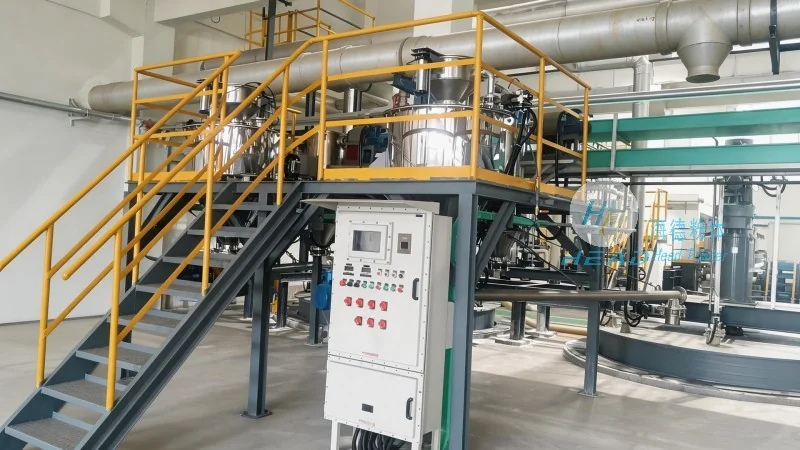
The calcium sulfate powder conveying system operates on the principle of utilizing mechanical force to move bulk powder materials through a pipeline. The system typically consists of several key components, including a hopper for material storage, a feeder to control the flow rate, a conveyor (such as a screw conveyor or pneumatic conveyor), and a control system to regulate the entire process. The design of the system is tailored to handle the specific properties of calcium sulfate, such as its fine particle size, low bulk density, and potential for caking, ensuring smooth and consistent material transport.
Key Working Scene Characteristics
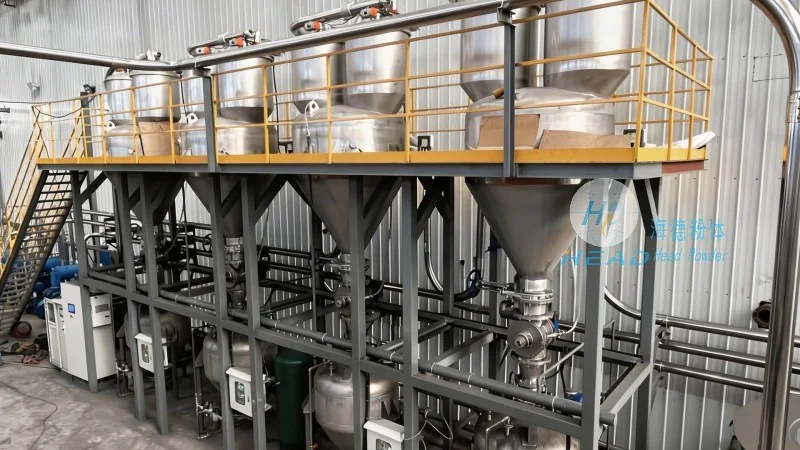
The operational environment of calcium sulfate powder conveying systems is characterized by several factors that influence system performance and maintenance. First, the system must be designed to handle the dust generation associated with handling fine powders, often requiring dust collection and filtration systems to comply with environmental regulations. Second, the material's tendency to adhere to surfaces or form agglomerates necessitates the use of anti-caking agents or specialized equipment like vibrators and agitators to maintain flowability. Third, the system's layout and integration with other production equipment, such as mixing or processing units, require careful planning to minimize material loss and ensure seamless workflow. These characteristics highlight the importance of a well-engineered system that addresses both material handling challenges and operational efficiency.

Application Scenarios and Operational Advantages
Calcium sulfate powder conveying systems are employed in diverse industrial applications, each with unique requirements that the system must meet. In the construction industry, these systems are used to transport gypsum for wallboard production, where consistent material flow is essential for maintaining product uniformity. In the pharmaceutical sector, the system ensures the safe and hygienic transport of calcium sulfate used in drug formulations, adhering to strict quality control standards. Additionally, in the food industry, the system handles calcium sulfate as a food additive, where contamination prevention and precise dosing are critical. The operational advantages of such systems include reduced labor costs due to automated material handling, minimized material waste through efficient transport, and improved safety by eliminating manual handling of powders. These benefits make calcium sulfate powder conveying systems a vital component in modern industrial operations.
Company Profile and Technical Expertise
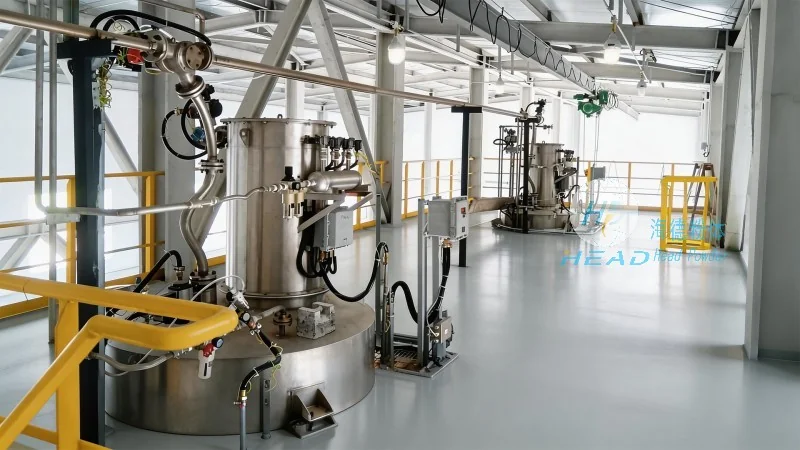
HeadPowder, a leading provider of bulk material handling solutions, specializes in designing and manufacturing calcium sulfate powder conveying systems tailored to the needs of various industries. With a strong presence in Shandong, China, HeadPowder Engineering Co., Ltd. leverages decades of experience in material handling technology to deliver high-performance systems. The company's expertise lies in understanding the unique properties of calcium sulfate and adapting system designs to optimize performance, reliability, and cost-effectiveness. By focusing on customer-specific requirements and adhering to international standards, HeadPowder ensures that its conveying systems meet the rigorous demands of industrial applications, providing long-term value and operational excellence.