

Principle and Working Scene Characteristics of Trilithium Lithium Powder Conveying System
Trilithium lithium powder conveying systems are pivotal technologies in contemporary battery manufacturing, especially for the handling of high-purity lithium-based powders used in lithium-ion batteries. This article delves into the fundamental principles of such systems and outlines the key characteristics of their operational scenarios, with a focus on the capabilities of Shandong HeadPowder Engineering Co., Ltd., a leading enterprise based in China.
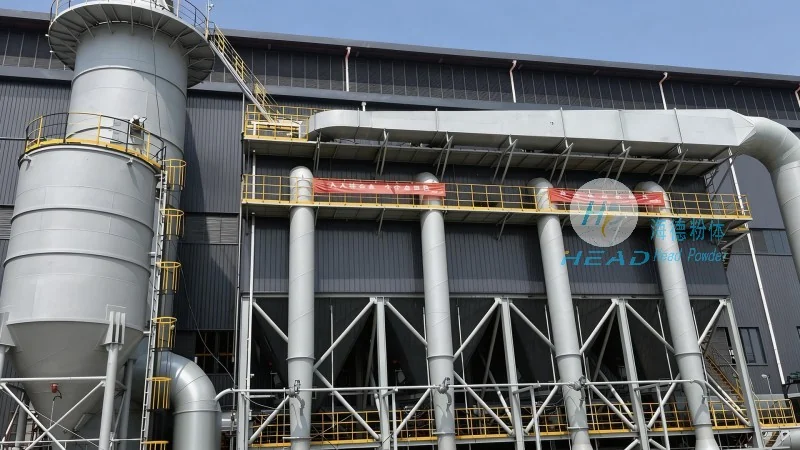
Company Profile and Expertise
HeadPowder, the abbreviation for Shandong HeadPowder Engineering Co., Ltd., is a professional manufacturer and supplier dedicated to the research, development, and production of advanced powder conveying solutions. Headquartered in Shandong, China, the company leverages over a decade of industry experience to deliver customized conveying systems tailored to the specific needs of clients in the battery, electronics, and chemical sectors. The company's commitment to innovation and quality ensures that its products meet the stringent requirements of high-purity material handling, making it a trusted partner for businesses seeking reliable and efficient powder transport solutions.
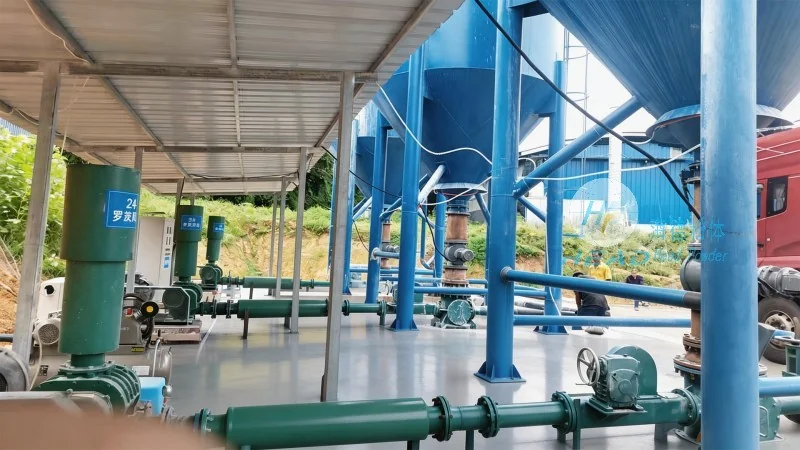
The Core Principle of Trilithium Lithium Powder Conveying Systems
At the heart of trilithium lithium powder conveying systems lies the efficient and safe transport of fine powders, such as those used in lithium-ion battery cathode materials. These systems typically integrate mechanical and pneumatic technologies to achieve seamless material movement. The primary principle involves the use of a conveying pipeline where the powder is either suspended in a stream of air (air-assisted conveying) or transported via a rotating screw or belt mechanism (mechanical conveying). The air-assisted method, also known as pneumatic conveying, utilizes compressed air to create a flow that lifts and transports the powder particles through the pipeline. This approach is particularly effective for handling powders that are prone to caking or agglomeration, as the air flow helps maintain particle separation and prevents blockages. In contrast, mechanical conveying systems rely on the physical movement of components like screws or belts to push the powder along the pipeline. Both methods are designed to minimize material degradation, ensure consistent flow rates, and maintain the purity of the trilithium lithium powder throughout the conveying process.
Key Operational Characteristics
The operational characteristics of trilithium lithium powder conveying systems are tailored to the diverse demands of industrial applications. One of the most significant characteristics is their ability to handle high-purity materials without compromising quality. This is achieved through the use of stainless steel or specialized materials for the conveying components, which prevent contamination and ensure that the powder remains free from impurities. Additionally, these systems are designed for high efficiency, with minimal energy consumption and low maintenance requirements. The modular design of the systems allows for easy integration into existing production lines, enabling businesses to upgrade their material handling capabilities without extensive downtime. Another critical characteristic is the system's adaptability to different powder types and flow rates. Whether dealing with fine powders that require gentle handling or bulk materials that need robust transport, the conveying systems can be configured to meet specific operational parameters. This flexibility makes them suitable for a wide range of applications, from small-scale laboratory testing to large-scale industrial production. Furthermore, the systems are equipped with advanced monitoring and control features, such as pressure sensors and flow meters, which allow operators to track the conveying process in real time and adjust parameters as needed to optimize performance. The safety features integrated into the design, including explosion-proof components and overpressure protection, ensure that the systems operate reliably and without risk to personnel or equipment.
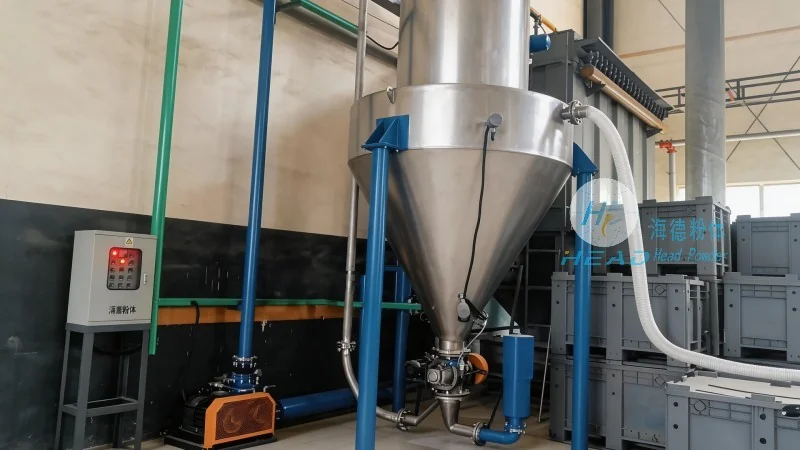
Application Scenarios and Benefits
Trilithium lithium powder conveying systems find extensive application in the battery manufacturing industry, where the precise handling of lithium-based powders is essential for producing high-performance batteries. In this context, the systems are used to transport powders from raw material storage to mixing and coating lines, ensuring a continuous and controlled supply of materials. The benefits of using such systems include improved productivity, reduced material waste, and enhanced product quality. By minimizing the risk of powder degradation and contamination, the systems contribute to the overall efficiency of the production process. Moreover, the automation capabilities of the conveying systems allow for consistent operation, reducing the need for manual intervention and lowering labor costs. The systems also play a crucial role in maintaining a clean and safe working environment, as they prevent dust dispersion and ensure that powders are contained within the conveying pipeline. This not only improves workplace safety but also helps in complying with environmental regulations regarding dust emissions. In summary, trilithium lithium powder conveying systems are indispensable tools for modern battery manufacturers, offering a reliable and efficient solution for handling critical materials while adhering to the highest standards of quality and safety.