

Principle and Working Scene Characteristics of Perlite Powder Conveying Systems
Perlite powder conveying systems are specialized equipment designed to handle the unique properties of perlite, a lightweight, porous volcanic rock used in various industrial applications. The system's design addresses the challenges of transporting fine powders like perlite, which can be prone to dust generation, caking, and flow irregularities. Understanding the core principles and operational scenarios of these systems is crucial for optimizing material handling processes in industries such as construction, horticulture, and chemical manufacturing.
The Core Principle of Perlite Powder Conveying
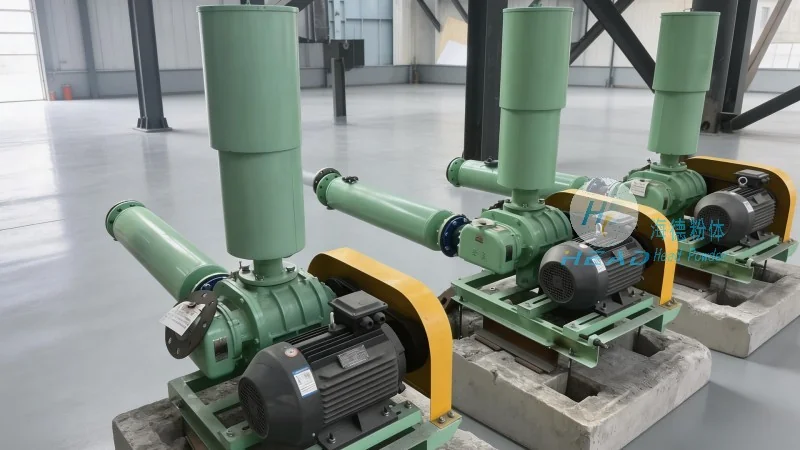
The fundamental principle behind perlite powder conveying systems is the efficient transfer of fine particles from a source to a destination while maintaining material integrity and minimizing operational disruptions. These systems typically employ pneumatic or mechanical methods to move the powder, leveraging pressure differentials or mechanical forces to overcome resistance and ensure consistent flow. The design incorporates features such as dust collection, material separation, and flow control mechanisms to address the specific challenges of perlite, which has a low bulk density and high dust propensity.
Key Components and Their Functions
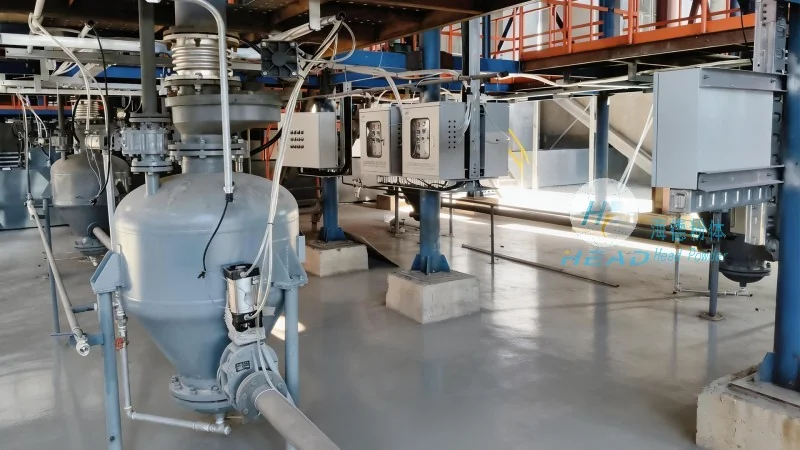
Perlite powder conveying systems consist of several critical components that work in tandem to ensure reliable operation. The primary components include a hopper for material storage, a conveyor (either pneumatic or mechanical), a dust collection system, and a control unit. The hopper is designed to accommodate the bulk storage of perlite, with features like anti-caking agents or vibration mechanisms to prevent material buildup. The conveyor system, whether pneumatic (using air pressure to transport particles) or mechanical (using screws or belts), is tailored to the specific flow characteristics of perlite. The dust collection system is essential for maintaining air quality and preventing environmental contamination, as perlite dust can be hazardous if inhaled. The control unit manages the entire process, regulating flow rates, pressure, and other parameters to ensure optimal performance.
Working Scene Characteristics: Industrial Applications
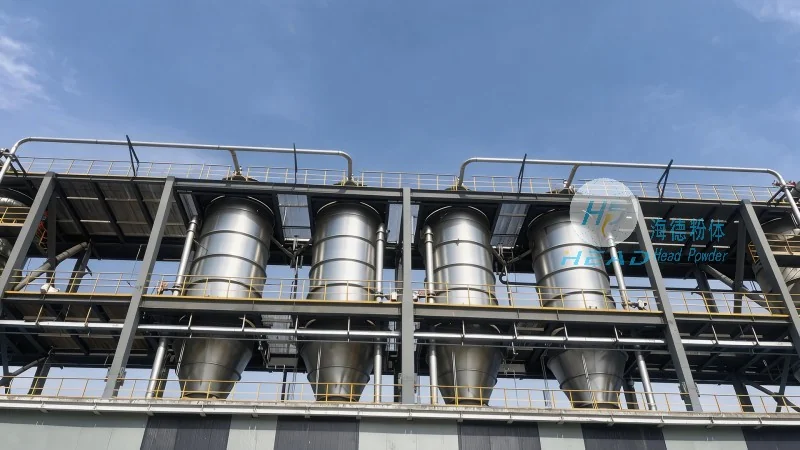
Perlite powder conveying systems are widely used in diverse industrial settings, each with distinct requirements and operational characteristics. In the construction industry, these systems are employed to transport perlite for insulation applications, where the material's lightweight and thermal properties are critical. The systems must handle large volumes of perlite efficiently, often in high-volume production lines. In horticulture, perlite is used as a soil amendment, and the conveying systems are designed to deliver the powder to mixing facilities or packaging lines. The key characteristics in these scenarios include high capacity, low maintenance, and the ability to handle fine powders without clogging. In chemical manufacturing, perlite may be used as a filler or additive, and the conveying systems must ensure precise dosing and minimal contamination. The working scene characteristics also include the need for dust control and compliance with environmental regulations, as perlite dust can be a health hazard.
Operational Advantages and Considerations
Implementing perlite powder conveying systems offers several advantages, including improved material handling efficiency, reduced labor costs, and enhanced safety through effective dust control. The systems are designed to minimize material loss and ensure consistent product quality. However, operational considerations are essential for optimal performance. Factors such as the particle size distribution of perlite, humidity levels, and the presence of moisture can affect system efficiency. Regular maintenance, including cleaning of ducts and filters, is necessary to prevent clogging and ensure long-term reliability. Additionally, the system's design must account for the specific flow characteristics of perlite, as improper design can lead to blockages or uneven flow.
About Shandong HeadPowder Engineering Co., Ltd.
Shandong HeadPowder Engineering Co., Ltd., operating under the brand name headpowder, is a leading provider of specialized powder handling solutions, including perlite powder conveying systems. With a focus on innovation and customer-centric design, the company has developed advanced systems tailored to the unique needs of industries handling fine powders. HeadPowder's expertise lies in understanding the material properties of perlite and designing systems that ensure efficient, safe, and reliable transport. The company's facilities are located in Shandong, China, where it leverages local resources and expertise to deliver high-quality products and services to clients worldwide. By combining technical expertise with practical application knowledge, HeadPowder aims to enhance the operational efficiency of its clients while maintaining the highest standards of safety and environmental compliance.