

Principle and Working Scenario Characteristics of Ternary Cathode Material Powder Conveying Systems
Ternary cathode materials are a critical component in modern lithium-ion battery production, offering enhanced performance and energy density compared to traditional binary systems. The efficient and reliable transport of these fine powders from raw material storage to processing lines is essential for maintaining production efficiency and product quality. This article explores the fundamental principles underlying powder conveying systems designed for ternary cathode materials, as well as the specific operational scenarios where these systems excel.
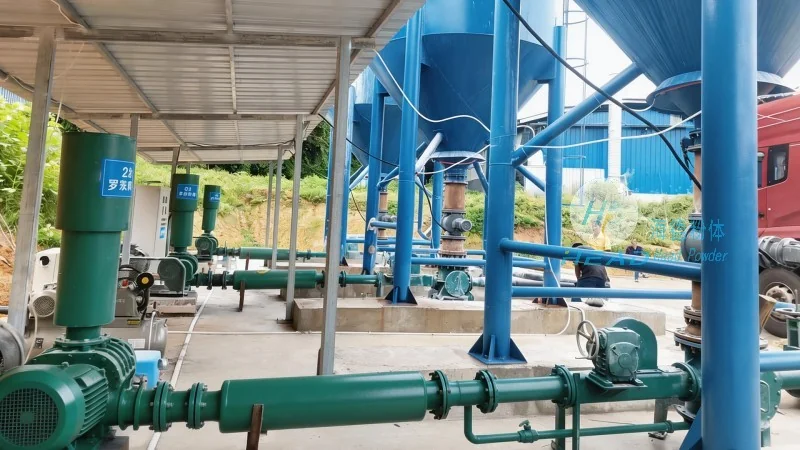
Core Principles of Powder Conveying Technology
The operation of a ternary cathode material powder conveying system is based on several key principles that ensure material handling efficiency and safety. One of the most common methods is pneumatic conveying, which uses compressed air to transport powders through a pipeline. This approach is particularly effective for fine, dry powders like ternary cathodes, as it minimizes particle degradation and contamination. Another principle involves mechanical conveying, such as screw conveyors or belt conveyors, which rely on mechanical force to move materials. These systems are often used for bulk material handling and can be integrated with pneumatic systems for hybrid conveying solutions.
Working Scenario Characteristics: Application in Battery Manufacturing
In the context of battery manufacturing, ternary cathode material powder conveying systems are deployed in various production stages, each with distinct operational requirements. For instance, in the raw material blending stage, the system must handle precise dosing of multiple cathode components to achieve the desired chemical composition. This requires high-precision control over flow rates and particle distribution. During the coating or slurry preparation stage, the conveying system must maintain the integrity of the powder mixture, preventing agglomeration or segregation. The systems are also used in the drying and packaging stages, where consistent material flow is crucial for uniform product quality.
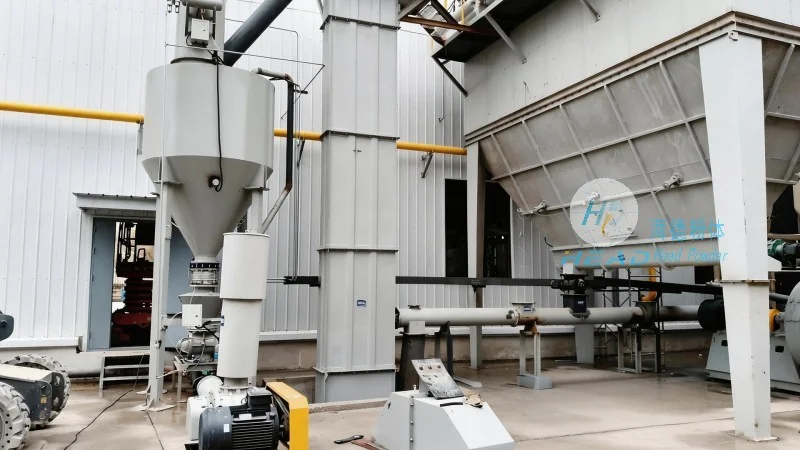
System Design Considerations for Ternary Cathode Materials
Designing a powder conveying system for ternary cathode materials involves careful consideration of several factors to ensure optimal performance. Material compatibility is a primary concern, as the system components must resist corrosion from the cathode powders and any additives. For example, stainless steel or specialized coatings are often used for hoppers and pipelines to prevent material buildup and contamination. Additionally, the system must be equipped with dust collection and filtration systems to comply with environmental regulations and maintain a safe working environment. The control system plays a vital role in managing the conveying process, with features like variable speed drives and real-time monitoring to adjust flow rates based on production demands.
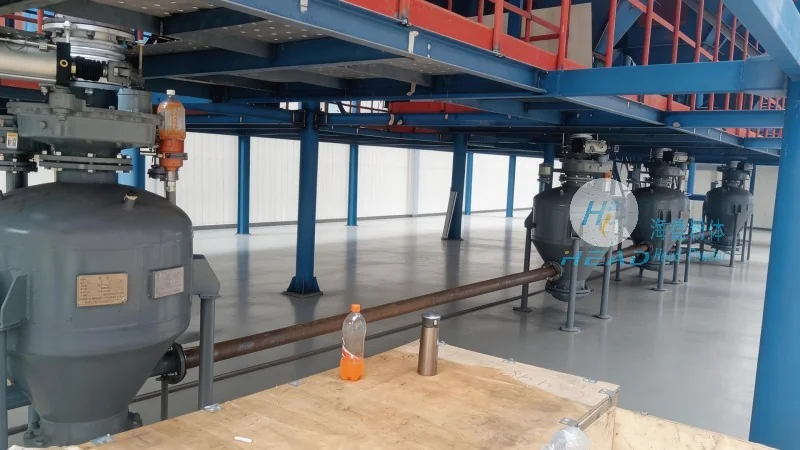
Operational Performance and Efficiency
The effectiveness of a ternary cathode material powder conveying system is evaluated based on several performance metrics, including throughput capacity, energy consumption, and material loss. High-efficiency systems are designed to minimize energy use while maximizing material transport speed. For example, using optimized air pressure and pipeline design can reduce energy consumption by up to 30% compared to traditional systems. Material loss is another critical factor, as even small amounts of powder loss can impact product yield and quality. Advanced sealing and filtration technologies help minimize loss, ensuring that the system operates with high recovery rates.
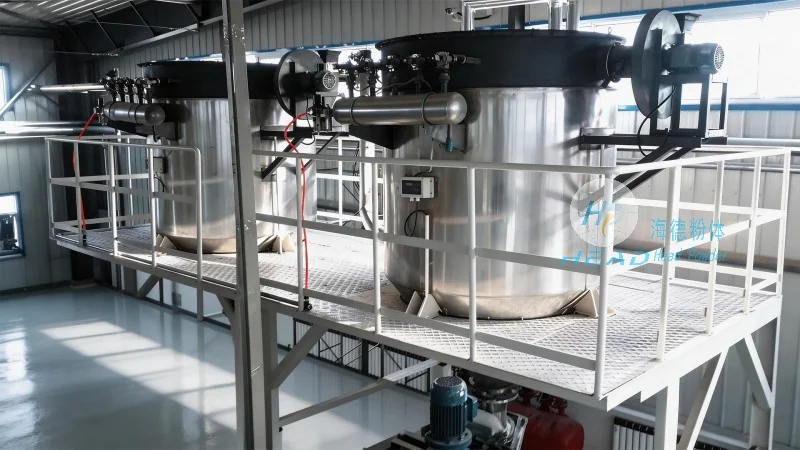
Case Study: Application in a Leading Battery Manufacturer
Shandong HeadPowder Engineering Co., Ltd., a leading provider of powder handling solutions, has successfully implemented ternary cathode material powder conveying systems for a major battery manufacturer. The system, tailored to the client's production scale and material specifications, demonstrated significant improvements in production efficiency. By integrating precise dosing and real-time monitoring, the system reduced material waste by 15% and increased throughput by 20% compared to the previous manual handling process. The system's robust design also ensured consistent material quality, leading to higher battery performance and customer satisfaction.
Conclusion: The Role of Advanced Conveying Systems in Battery Production
Ternary cathode material powder conveying systems are indispensable in modern battery manufacturing, enabling the efficient and safe handling of critical raw materials. By leveraging principles such as pneumatic and mechanical conveying, these systems address the unique challenges of ternary cathode powders, including fine particle size and chemical sensitivity. The operational scenarios where these systems excel—ranging from raw material blending to final product packaging—highlight their versatility and importance in the battery production chain. As battery technology continues to advance, the demand for high-performance powder conveying systems will only increase, making them a key component in the supply chain for next-generation energy storage solutions.