

Principle and Working Scene Characteristics of Automatic Weighing and Feeding Powder Material Convey
HeadPowder, a leading manufacturer based in Shandong, China, specializes in the design and production of advanced automatic weighing and feeding powder material conveying machines. These systems are engineered to provide precise control and efficient operation in various industrial applications involving bulk powder handling. The following sections will delve into the fundamental principles behind these machines, as well as the key characteristics that define their performance in real-world working environments.
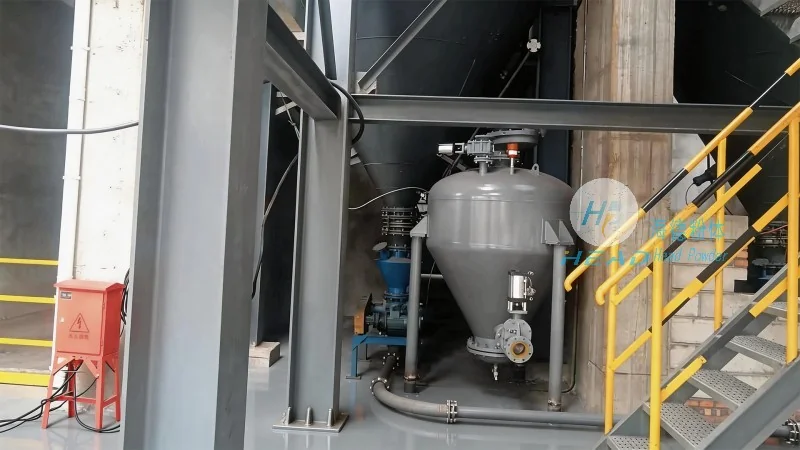
Company Overview: HeadPowder Engineering Co., Ltd.
HeadPowder Engineering Co., Ltd. is a professional enterprise dedicated to the research, development, and manufacturing of high-quality powder processing equipment. With a strong commitment to technological innovation and customer satisfaction, the company has established itself as a trusted partner in the industry. HeadPowder's facilities are located in Shandong, China, where state-of-the-art production lines and rigorous quality control processes ensure that every product meets the highest standards. The company's expertise lies in integrating advanced weighing technologies with efficient conveying mechanisms to deliver reliable solutions for powder handling challenges.
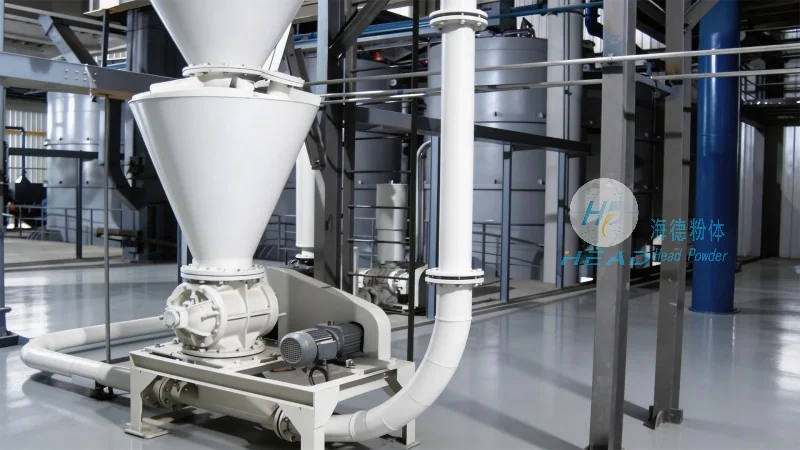
The Core Principle of Automatic Weighing and Feeding Systems
The automatic weighing and feeding powder material conveying machine operates on the principle of precise mass measurement and controlled material flow. At its heart, the system combines a high-precision load cell or sensor with a programmable controller to accurately determine the weight of the powder being fed. The controller then adjusts the speed of the conveying mechanism—such as a screw conveyor, belt conveyor, or pneumatic system—based on the set weight parameters. This closed-loop control system ensures that the material is delivered to the target location with minimal error, maintaining consistent batch sizes and preventing overfilling or underfilling. The integration of digital controls allows for easy adjustment of parameters, enabling operators to adapt the system to different powder types and processing requirements.
Key Working Scene Characteristics
The working scene characteristics of these machines are tailored to meet the demands of diverse industrial applications. For instance, in pharmaceutical manufacturing, where product purity and consistency are paramount, the system's ability to deliver precise dosages is critical. The machine's design minimizes contamination risks through sealed components and cleanable surfaces, ensuring compliance with regulatory standards. In the chemical industry, where handling reactive or hazardous powders is common, the system's robust construction and safety features—such as emergency stop buttons and overload protection—provide a secure working environment. Additionally, the system's adaptability allows it to be integrated into existing production lines, reducing downtime and improving overall operational efficiency.
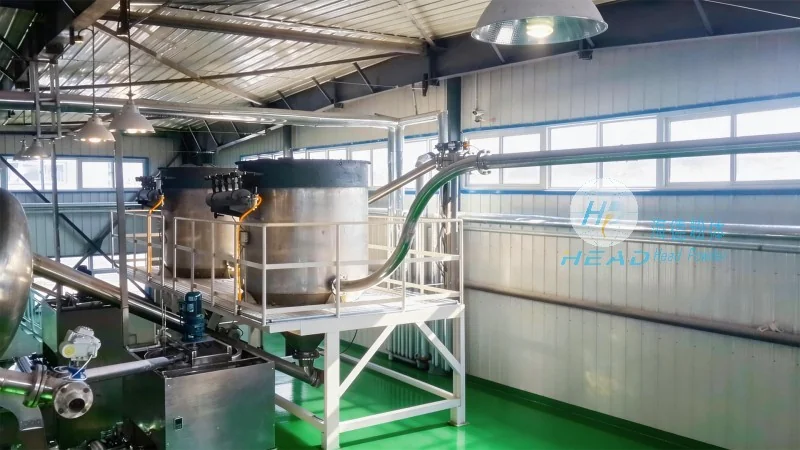
Advantages in Real-World Applications
When deployed in practical working scenarios, the automatic weighing and feeding powder material conveying machine offers several advantages that enhance productivity and product quality. One of the primary benefits is the reduction in human error, as the system automatically adjusts the feeding rate based on real-time weight measurements. This leads to consistent product batches, which is essential for maintaining quality control in manufacturing processes. Another advantage is the energy efficiency of the system, as the conveying mechanism operates only when necessary, minimizing power consumption. Furthermore, the system's compact design allows for easy installation in limited spaces, making it suitable for both new and retrofit applications. The user-friendly interface, with intuitive controls and clear display screens, enables operators to monitor and adjust the system without extensive training, reducing the learning curve and improving operational flexibility.